Connect with us

Abuja Reports

Mararaba Traders, Drivers Groan as Flyover Construction Hits Businesses

Published

on

By Patrick Idowu

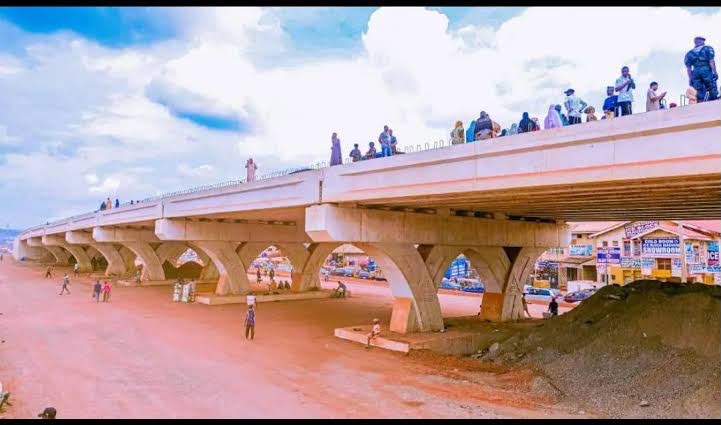
The ongoing construction of twin flyovers along the Abuja-Keffi Expressway has plunged traders, commercial drivers and tricycle operators in Mararaba, Nasarawa State, into mounting economic hardship, with many reporting sharp declines in daily earnings, rising operating expenses and dwindling customer patronage.

For businesses operating around the busy Mararaba corridor, what is expected to become a major transportation improvement has temporarily turned into a difficult period of survival, as persistent traffic congestion, construction dust, damaged access roads and stagnant dirty water continue to disrupt commercial activities.

Several traders who spoke to Abuja City Journal said their daily sales had dropped by more than half since construction activities intensified, while transport operators complained that longer journeys, increased fuel consumption and frequent vehicle repairs were eating deeply into their already shrinking profits.

The concerns come as Triacta Nigeria Limited, the construction firm handling the ₦39 billion project, announced that it was targeting March 2027 for overall completion, with asphalt binder works expected to be concluded by January.

The company disclosed its construction timeline in an update published on its Facebook page, Triacta North Central, on Thursday, November 19, alongside photographs showing ongoing work at the project site.

According to the contractor, construction activities were progressing, with asphalt binder works scheduled for completion by January and the entire project expected to be delivered in March 2027.

Awarded by the administration of Governor Abdullahi Sule and officially flagged off in December 2025, the project covers approximately 2.6 kilometres and involves the construction of twin flyovers and connecting elevated roads.

The infrastructure is designed to address longstanding traffic congestion along the Mararaba axis, one of the busiest transportation corridors linking Nasarawa State with the Federal Capital Territory.

However, while residents and road users anticipate improved connectivity upon completion, the immediate economic consequences of the construction have become a major source of concern for small business owners and transport workers whose livelihoods depend on the daily movement of people and goods.

Businesses struggle as customers disappear

At Mararaba Market, traders say the combination of dust, traffic bottlenecks and difficult access to business premises has significantly affected their ability to attract customers.

A provision seller, Emeka Juliet, who has operated in the market for six years, told Abuja City Journal that her daily sales had fallen from approximately ₦20,000 to just ₦8,000.

She said the difficult road conditions had discouraged customers from visiting the market, leaving her with unsold goods and increasing the possibility of losses.

“Before, customers used to come easily. Now, because of traffic and dust, customers are no more coming. My goods are getting spoilt,” she lamented.

Although she acknowledged the importance of the road project, Juliet appealed to the government and construction company to accelerate the work to prevent small businesses from suffering further losses.

“We want good roads; nobody hates good roads. But please finish it quickly. We are suffering. We have families to feed,” she said.

The situation is particularly difficult for traders dealing in perishable agricultural products, who say dust and contaminated water around the construction areas are damaging their merchandise.

A pepper seller, Mama Aisha, who has spent about 10 years in the business, disclosed that her daily sales had dropped from ₦15,000 to approximately ₦5,000.

She explained that dust settles on her pepper, while dirty water around the market further compromises the condition of her produce.

“Every day, I throw pepper away. Dust affects my pepper. Dirty water from construction also affects it,” she said.

Similarly, a tomato seller, Aunty Blessing, said her daily turnover had declined from ₦18,000 to about ₦6,000, blaming the surrounding conditions for the rapid deterioration of her produce and declining customer patronage.

According to her, some customers now avoid the area because of the difficult trading environment.

“Every day, I throw spoilt tomatoes away. Customers now run away because they say Mararaba is too dirty. We just sit down, no customers, and our tomatoes are spoiling,” she lamented.

The construction has also affected non-food vendors.

David Abraham, a clothes seller who has operated along the roadside in Mararaba for four years, said dust from the construction site had made it increasingly difficult to maintain the quality and appearance of his merchandise.

He disclosed that his daily sales had dropped from ₦20,000 to approximately ₦7,000, noting that customers were reluctant to purchase clothes covered in dust.

“Customers say my clothes are dirty. Some go to other places to buy. I sit down with dusty clothes and no money,” he said.

Transport operators count mounting losses

Beyond the trading community, commercial drivers and tricycle operators say the construction has fundamentally changed the economics of operating along the Mararaba-Abuja corridor.

Ibrahim Musa, a commercial driver who has operated on the Mararaba-Wuse route for eight years, said journeys that previously took about 30 minutes now require between two and three hours because of traffic congestion.

He explained that the longer travel time had increased his daily fuel expenditure from approximately ₦10,000 to ₦20,000, without a corresponding increase in earnings.

“My vehicle is getting spoilt every day because of potholes and stones on the road. Every week, I am at the mechanic,” he said.

Musa added that the situation had become more difficult because some passengers were abandoning the route in favour of alternative transportation arrangements.

He said some commuters now trekked towards the checkpoint to board vehicles operating from less congested locations, while others had stopped using the route altogether.

“Some now trek far towards the checkpoint to enter another bus, while others have stopped coming this way. We carry half load, but burn full fuel,” he said.

The driver described the situation as financially unsustainable, explaining that increased fuel consumption, vehicle maintenance and reduced passenger numbers had combined to erode his daily income.

For tricycle operators, the experience is similarly challenging.

Bola Emmanuel, who operates along the Mararaba-Nyanya route, said a journey that previously lasted approximately 15 minutes now takes close to an hour.

He disclosed that his daily fuel expenditure had doubled from ₦5,000 to ₦10,000, while poor road conditions and prolonged journeys had reduced the number of trips he could complete each day.

He said the additional maintenance costs were further reducing the income available to support his family.

Residents seek urgent intervention

The affected traders and transport operators are not opposed to the infrastructure project, acknowledging that the completed flyovers could improve traffic movement and strengthen connectivity between Nasarawa State and Abuja.

However, they insist that the immediate economic burden should not be ignored while construction continues.

They called on the Nasarawa State Government and the contractor to introduce practical measures to reduce the hardship, including regular water spraying to control dust, proper drainage to prevent stagnant water, improved road access to business premises and the provision of clearly accessible alternative routes.

They also appealed for more effective traffic management to reduce the time motorists spend navigating the construction corridor.

For traders dealing in perishable goods, they said urgent attention to drainage and sanitation would help reduce avoidable losses, while commercial drivers want damaged sections of access roads addressed to minimise vehicle breakdowns.

With the contractor projecting March 2027 as the completion date, the affected business owners face several more months of uncertainty.

While the twin flyovers are expected to deliver long-term transportation benefits, traders and transport operators in Mararaba say the immediate priority is ensuring that the construction does not permanently damage the livelihoods of those whose businesses depend on the corridor.

Their message to the authorities is clear: the people welcome development, but they should not be left to bear its economic consequences without adequate support.

Continue Reading
Click to comment

Leave a Reply

Your email address will not be published. Required fields are marked *

Abuja Reports

Senate Raises Alarm Over LPG Shortage, Vows Action to Crash Cooking Gas Prices

Published

on

By Patrick Idowu

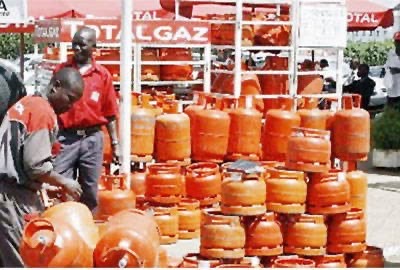
The Nigerian Senate has raised concerns over the inadequate supply of Liquefied Petroleum Gas (LPG), popularly known as cooking gas, to the domestic market, warning that persistent shortages could worsen the financial burden on households already struggling with high energy costs.

Chairman of the Senate Committee on Gas Resources, Senator Agom Jarigbe, disclosed this on Wednesday during an engagement with stakeholders in the gas industry at the National Assembly.

The meeting focused on export revenue remittances and the availability of LPG for domestic consumption, amid growing concerns over the affordability of cooking gas across the country.
Jarigbe, who represents Cross River North Senatorial District, said the committee was determined to investigate the factors responsible for the inadequate domestic supply and develop measures to ensure that Nigerians have access to cooking gas at affordable prices.

He maintained that increasing supply to meet domestic demand would help drive down prices and ease the economic pressure on households.
“We are already working for Nigerians here, for our people, and that’s why we want to get to the root of it,” the senator said.
He added that the committee would ensure that efforts were made to reduce cooking gas prices, stressing that adequate supply in response to demand would naturally encourage price reductions.

The senator also disclosed that industry operators had identified the ratio of propane to butane in LPG as one of the factors influencing decisions to export the product.

The committee’s intervention comes amid persistent concerns over the affordability of cooking gas, which remains an important household energy source for millions of Nigerians.

Jarigbe said the Senate was committed to engaging relevant industry players to address supply challenges and ensure that domestic consumers are not disadvantaged by export-related decisions.
He stressed the need to strike a balance between the country’s gas export activities and the availability of sufficient supplies for local consumption.

Continue Reading

Abuja Reports

FCT Students Win ₦1.7m Scholarships as Green Schools Initiative Expands to 50 Schools

Published

on

By Patrick Idowu

Ten outstanding secondary school students in the Federal Capital Territory (FCT) have received scholarships worth a total of ₦1.7 million under the Green Schools Initiative Nigeria (GSIN), following six months of environmental sustainability activities, community engagement and innovative waste-to-wealth projects.

The scholarships were presented at the grand finale and award ceremony of the initiative’s second edition, organised by the Printrite Foundation for Sustainable Environment and Education (PFSEE) in Abuja on Wednesday.

The initiative, which began in 2025 with just six participating schools, has recorded significant expansion in its second edition, attracting 50 public and private secondary schools across the FCT. The growth reflects increasing interest in environmental education and the need to equip young people with practical knowledge and skills to address environmental challenges.

Designed to make environmental protection a practical part of students’ everyday lives, the programme encourages participants to take responsibility for their immediate surroundings through tree planting, waste segregation, recycling, environmental sanitation and community clean-up exercises.

Beyond promoting cleanliness, the initiative also seeks to change young people’s perception of waste by demonstrating that discarded materials can be converted into useful products with economic value.

Speaking at the ceremony, the Executive Director of PFSEE, Sir Austin Igwe, described the scholarship awards as both recognition of outstanding performance and an incentive for students to remain committed to environmental sustainability.

He said the initiative was designed to raise a generation of environmentally conscious young people who understand that protecting the environment is not solely the responsibility of government agencies but a collective obligation that begins at the individual and community levels.

Igwe said the second edition was themed, ‘My Waste, My Worth, My Future’, to encourage students to recognise the economic and environmental opportunities inherent in materials often regarded as useless.

According to him, the programme goes beyond conventional recycling by introducing students to upcycling, a process through which discarded materials are creatively transformed into new and more valuable products.

“Our theme carries a simple idea: here, we don’t just recycle. We upcycle. What many people throw away, our school children have learnt to turn into something useful, something valuable, something they can be proud of,” he said.

He explained that the waste-to-wealth component was particularly important because it exposed students to creativity, innovation, entrepreneurship and the possibility of generating income from materials that would otherwise contribute to environmental pollution.

The PFSEE executive director also highlighted the foundation’s achievements in tree planting, disclosing that it had nurtured 12,600 trees through its ‘I Plant A Tree’ initiative.

In addition, participating schools planted and nurtured 6,000 economic trees, including 3,000 palm trees, as well as guava and lemon varieties.

He explained that the tree-planting programme was designed to deliver long-term environmental and economic benefits, including improved air quality, provision of shade, protection of biodiversity and the availability of fruits that could potentially generate income for schools and their host communities.

The initiative, he noted, was intended to ensure that environmental activities undertaken by students produced lasting benefits rather than becoming one-off exercises conducted merely to mark special occasions.

Providing further insight into the programme’s growth, the PFSEE Programme Coordinator, Mrs Esther Atar, said the initiative had expanded from six schools in its inaugural edition to 50 participating schools in the second edition, following increased demand and growing institutional collaboration.

She attributed the expansion to the foundation’s strengthened engagement with educational authorities and other relevant institutions, particularly the FCT Secondary Education Board, which provided technical support and resources to facilitate implementation.

Atar explained that the programme was structured around four major components: school environmental cleanliness and waste separation, community clean-up campaigns, tree planting, and waste-to-wealth projects.

She said the introduction of the waste-to-wealth component in the second edition represented a significant improvement, as it provided students with opportunities to apply their environmental knowledge through practical innovation.

According to her, students were encouraged to collect and separate waste materials within their schools before transforming suitable items into useful products.

She added that participating schools were evaluated using clearly defined performance indicators, including the number of trees planted and successfully germinated, the effectiveness of community outreach activities, proper waste separation practices and the quality and creativity of products developed from recycled materials.

Atar said the assessment process was designed to promote genuine participation, consistency and measurable environmental impact rather than mere compliance with programme requirements.

She expressed optimism that the initiative would continue to attract more schools and inspire students to become environmental ambassadors within their communities.

In her remarks, the Director of the Pollution Control and Environmental Health Department of the Federal Ministry of Environment, Mrs Omotunde Adeola, called on the organised private sector, development partners, corporate organisations and other stakeholders to support the initiative through funding, technical assistance and the provision of environmental learning materials.

Adeola, who was represented by the Assistant Director, Solid Waste Management Division, Mr Dangiwa Ewa Orume, commended PFSEE for promoting environmental education and encouraging young people to embrace responsible environmental practices.

She observed that the increasing challenges of climate change, pollution, biodiversity loss, deforestation and poor waste management required coordinated action involving government institutions, private organisations, communities and individuals.

She stressed that government policies and regulations alone could not adequately address environmental challenges without the active participation of citizens, particularly young people who would inherit the consequences of present environmental decisions.

According to her, schools remain strategic platforms for instilling positive environmental values and developing practical skills that can influence behaviour beyond the classroom.

She therefore urged school authorities to establish environmental clubs, develop tree nurseries and gardens, promote waste separation at source and discourage indiscriminate disposal of refuse.

Adeola also encouraged PFSEE to extend the initiative beyond the FCT to other parts of the country, particularly the six geopolitical zones, to ensure that children in both urban and rural communities benefit from environmental education and practical sustainability programmes.

Also speaking, the Chairman of the Nigerian Environmental Society, FCT Chapter, TLP Leke Olushola Emmanuel, commended PFSEE for introducing environmental consciousness to young people at an early stage of their education.

He noted that exposing students to practical environmental activities could help develop responsible attitudes towards waste disposal, conservation and the protection of natural resources.

Similarly, the Director of the Abuja Environmental Protection Board (AEPB), Mrs Kate Ogbonna, applauded the foundation for its efforts to promote environmental sustainability among schoolchildren.

Ogbonna, represented by the Assistant Chief Environmental Health Officer, Mr Dansu Victor, emphasised that environmental protection was a shared responsibility that required sustained commitment and active participation from all segments of society.

She noted that young people had an important role to play in building cleaner, healthier and more sustainable communities, adding that environmental awareness must translate into practical action.

The expansion of the Green Schools Initiative from six to 50 schools, alongside the scholarship awards and thousands of trees planted, highlights the potential of school-based environmental programmes to combine education, innovation and community development.

Beyond the financial value of the scholarships, the initiative offers participating students an opportunity to develop practical problem-solving skills, environmental awareness and a sense of responsibility towards their communities.

With its growing participation and emphasis on turning environmental challenges into opportunities, the Green Schools Initiative is positioning itself as a platform for nurturing a generation that sees environmental protection not merely as a civic obligation but also as a pathway to innovation, economic empowerment and sustainable development.

Continue Reading

Abuja Reports

Abuja’s Empty Buildings: Who Are We Building Houses For?

Published

on


By Edisemi Andrew

*Abuja is gradually becoming a city where beautiful buildings are increasingly difficult to live in.*

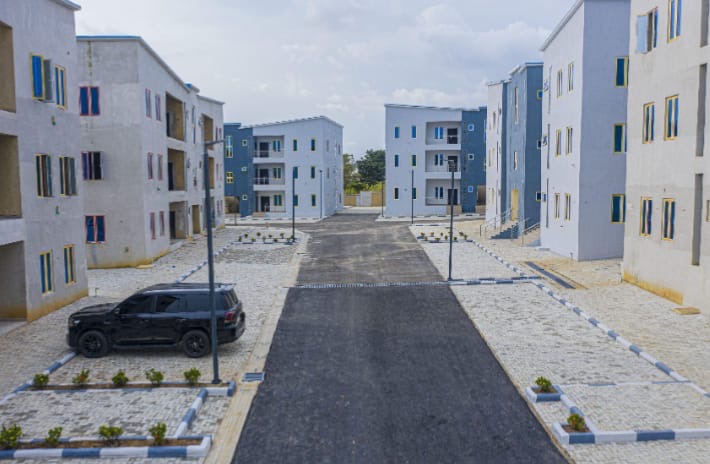
Across the Federal Capital Territory, impressive residential estates tastefully finished apartments, gated communities and modern housing developments continue to emerge. New roads, bridges, interchanges, streetlights and other infrastructure are transforming previously neglected neighbourhoods into attractive residential and commercial locations. Yet, beneath this visible transformation lies an uncomfortable contradiction: while the city continues to attract property investments and expand its housing stock, a growing number of ordinary Nigerians are struggling to afford decent accommodation. The question is becoming increasingly difficult to ignore: If good infrastructure is a justification for higher property values and rental charges, why are so many completed buildings still unoccupied when thousands of residents desperately need affordable homes?

Certainly, infrastructure adds value to property. A neighbourhood with accessible roads, reliable electricity, good drainage, security, water supply and proximity to workplaces naturally becomes more attractive to residents and investors. Property owners also have legitimate concerns about construction costs, maintenance, land charges, inflation and the cost of providing additional facilities.

However, there is a difference between recognising the value of infrastructure and using every improvement in a neighbourhood as an opportunity to impose rental charges that are disconnected from what most residents can realistically afford. Roads are being constructed, neighbourhoods are becoming more accessible and previously less attractive locations are experiencing increased property demand. But, should the benefits of public infrastructure automatically translate into rental increases that exclude the very people whose taxes and economic activities help sustain the city?

Infrastructure should improve the quality of life, not gradually make that quality of life financially inaccessible.

*The contradiction of empty buildings and homeless tenants*

One of the most striking sights in parts of Abuja is the number of completed residential properties that appear to remain vacant for extended periods.

Beautifully designed buildings, sometimes within secured estates, stand behind locked gates while prospective tenants move from one inspection to another, only to discover that the asking rent is beyond their financial capacity.

This raises another important question about the direction of Abuja’s property market.

Are developers building primarily for people who need homes, or increasingly for investors who see property as an asset for preserving and growing wealth?

A September 2026 report by the Housing Development Advocacy Network (HDAN) highlighted this contradiction, identifying a mismatch between the type of housing being developed and the purchasing power of residents. The organisation estimated Abuja’s housing deficit at 1.7 million units, while warning that some completed luxury properties remain under-occupied because they are beyond the reach of most households.

The figures point to a housing market with two simultaneous problems: insufficient affordable housing and properties that exist but are financially inaccessible to the majority of people who need accommodation. That is a development contradiction worth examining.

A house that remains locked because its rental price is unrealistic may represent an investment to its owner but it does little to address the accommodation needs of the surrounding population.

*When accommodation becomes a luxury*

For many Nigerian workers in Abuja, finding accommodation is no longer simply about choosing a convenient neighbourhood. It has become a financial exercise involving months of savings, family assistance, loans and difficult compromises. A civil servant earning a modest salary, a young professional starting a career, a teacher, a small-business owner or an informal-sector worker may find it difficult to raise millions of naira for annual rent, agency fees, legal charges, caution deposits and service charges.

A July 2026 investigation by BusinessDay reported that rents in several Abuja districts had increased substantially over two years. It cited examples of two-bedroom apartments in Lokogoma rising from approximately ₦1.2 million in 2023 to as much as ₦2.5 million, excluding additional charges.

NOIPolls also reported in October 2026 that 71% of surveyed Abuja residents found meeting rent obligations much harder than three years earlier while 93 per cent of rent-paying respondents said landlords required 2 years rent upfront. These findings illustrate the pressure on tenants, although the poll’s results should be understood within its surveyed population rather than treated as a census of every Abuja household.

The bigger problem is that salaries have not necessarily grown at the same pace as accommodation costs. For some residents, securing a roof over their heads now means sacrificing savings, healthcare, education, transportation and other basic needs. Others are being pushed towards satellite communities where accommodation may be relatively cheaper but transportation costs, commuting time and pressure on public infrastructure introduce another set of challenges.

*Is this really the kind of urban development Abuja should be celebrating?*

Infrastructure should not become an excuse for unlimited rent increases

Nobody is suggesting that property owners should operate at a loss or that improvements to residential neighbourhoods should have no influence on property values.

Developers invest substantial resources in acquiring land, obtaining approvals, purchasing building materials and completing construction. Landlords also incur expenses maintaining buildings, paying levies and providing services.

These realities deserve recognition but public infrastructure is largely funded through public resources. When government constructs roads, improves drainage, installs streetlights or expands public facilities, the resulting benefits should extend beyond increasing the investment value of privately owned properties. There should also be a conversation about how those improvements can make neighbourhoods more accessible and affordable to ordinary residents.

The concern is not that property values should never increase. It is that rental pricing should not become completely disconnected from household incomes and the actual demand for accommodation. A city cannot claim meaningful housing progress simply because it has more impressive buildings, modern estates and expensive apartments. The real measure should include how many people can afford to live in those buildings.

*What should the FCT Administration do?*

The Federal Capital Territory Administration needs to look beyond road construction and physical beautification and give greater attention to the housing affordability crisis.

First, there should be a credible assessment of vacant residential properties across the FCT. Government needs better information about completed but unoccupied buildings, why they remain vacant, their ownership structures and whether they are available for rent or held primarily for investment purposes.

Second, affordable housing development should become a deliberate priority. Developers should be encouraged through appropriate incentives and transparent land-allocation policies to provide accommodation for low and middle-income earners, not just the luxury market.

Third, the government should examine the additional charges imposed on tenants. Agency fees, legal fees, caution deposits and other demands can make an already expensive rental process even more difficult. There should also be greater transparency in property transactions and stronger enforcement of existing tenancy protections.

Finally, government should encourage more flexible rental arrangements, including monthly and quarterly payment options where practical, alongside affordable rental and rent-to-own programmes. The National Institute for Legislative and Democratic Studies in a January 2026 issue brief on arbitrary rent increases and tenant protection, also highlighted the need for a stronger legislative framework to protect tenants from unreasonable rental practices.

These are not demands for government to punish property owners. They are calls for a housing system that recognises the legitimate interests of landlords while protecting the ability of residents to secure decent accommodation.

*A city should be judged by who can afford to live in it*

Abuja was designed to be a modern capital city with planned districts, organised infrastructure and an environment capable of supporting different categories of residents but modernity should not be measured only by the appearance of its buildings, the quality of its roads or the exclusivity of its residential estates. It should also be measured by the opportunities available to the people who live and work there.

What is the value of beautifully constructed apartments when the teachers, nurses, junior civil servants, artisans, young professionals and small-business owners who keep the city functioning cannot afford to rent them? What is the point of expanding infrastructure if the resulting increase in property costs pushes ordinary residents farther away from their workplaces? And what does it say about our housing priorities when completed buildings remain locked while families continue to struggle to find accommodation within their means? Perhaps it is time to rethink what constitutes success in Abuja’s property market.

Good infrastructure should increase the value of a city, but it should not make the people who depend on that city feel unwelcome in it.

A city is not successful simply because its buildings are expensive. It is successful when its development creates room for people across different income levels to live, work and build decent lives. Abuja needs more than beautiful buildings. It needs homes that Nigerians can actually afford.

Continue Reading

Trending

taraftarium24seo ajansıseo ajansımarsbahistaraftarium24dizipalgiftcardmall/mygiftjustin tvGrandpashabetGrandpashabetcasibomcasibomGrandpashabetmarsbahisultrabettaraftarium24taraftarium24rojadirectajustin tv1winbetgitromabetromabetgameofbetradissonbetgrandpashabetgrandpashabettambetbetbeyesbetcashwinbetpuansekabetsekabetsekabetsekabetgrandpashabetpusulabetcasinowoncasinomilyoncasinoroyalpalacebetteosbetteosbetsonbahistambettambetmersobahisimajbetcasibombettiltimajbetpusulabetpusulabet girişmarsbahismarsbahis girişholiganbetholiganbet girişgrandpashabetholiganbetholiganbetbahiscasinograndpashabetsonbahisbahiscomnesinecasino xwbahis xbetgaranti xgrandpashabet girişbahis sitelerijojobetjojobetjojobetjojobetjojobetamgbahismrkingbetwildmatadorbet