By Edisemi Andrew
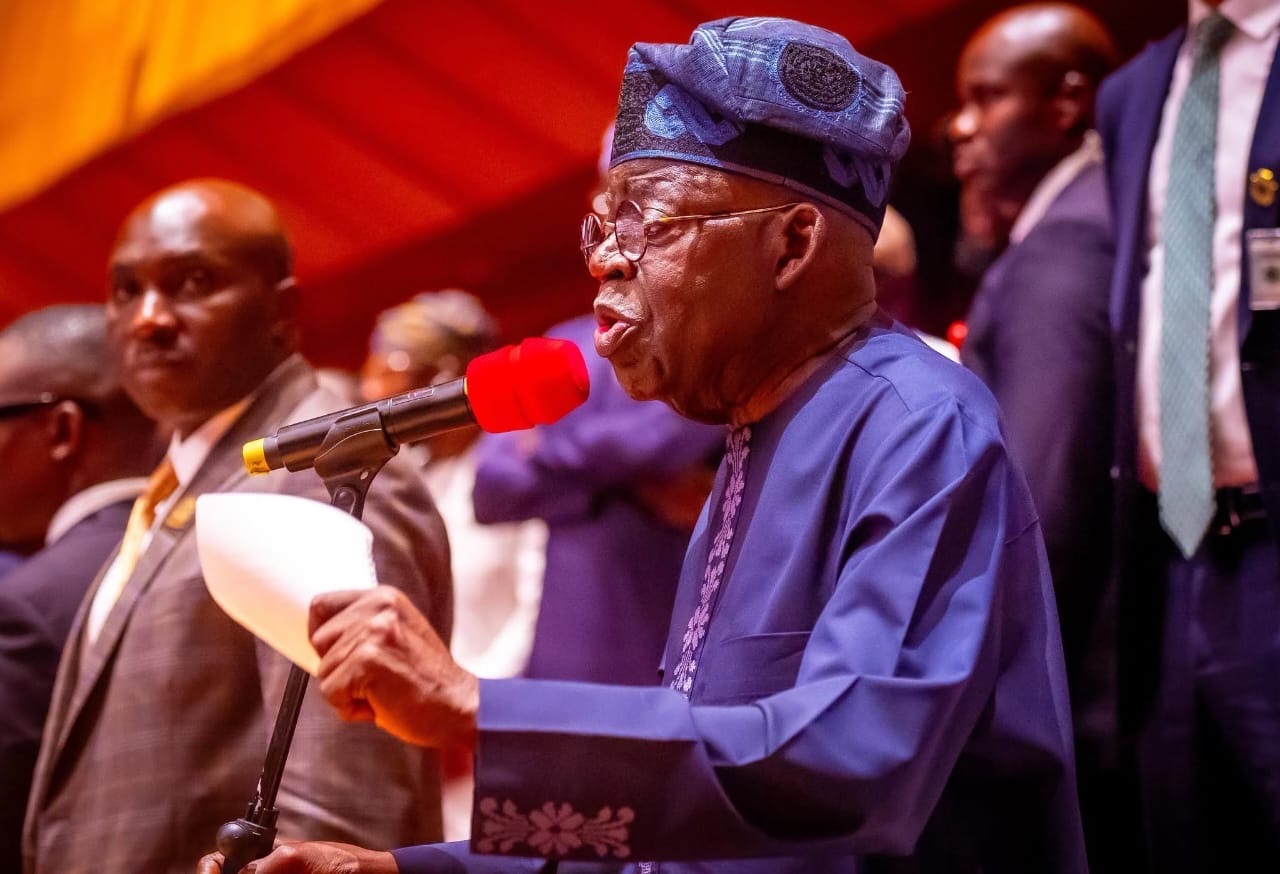
President Bola Ahmed Tinubu has renewed his appeal for national unity and political support from the Igbo community, promising inclusive governance and equitable development during a meeting with Igbo leaders and business representatives in Lagos.
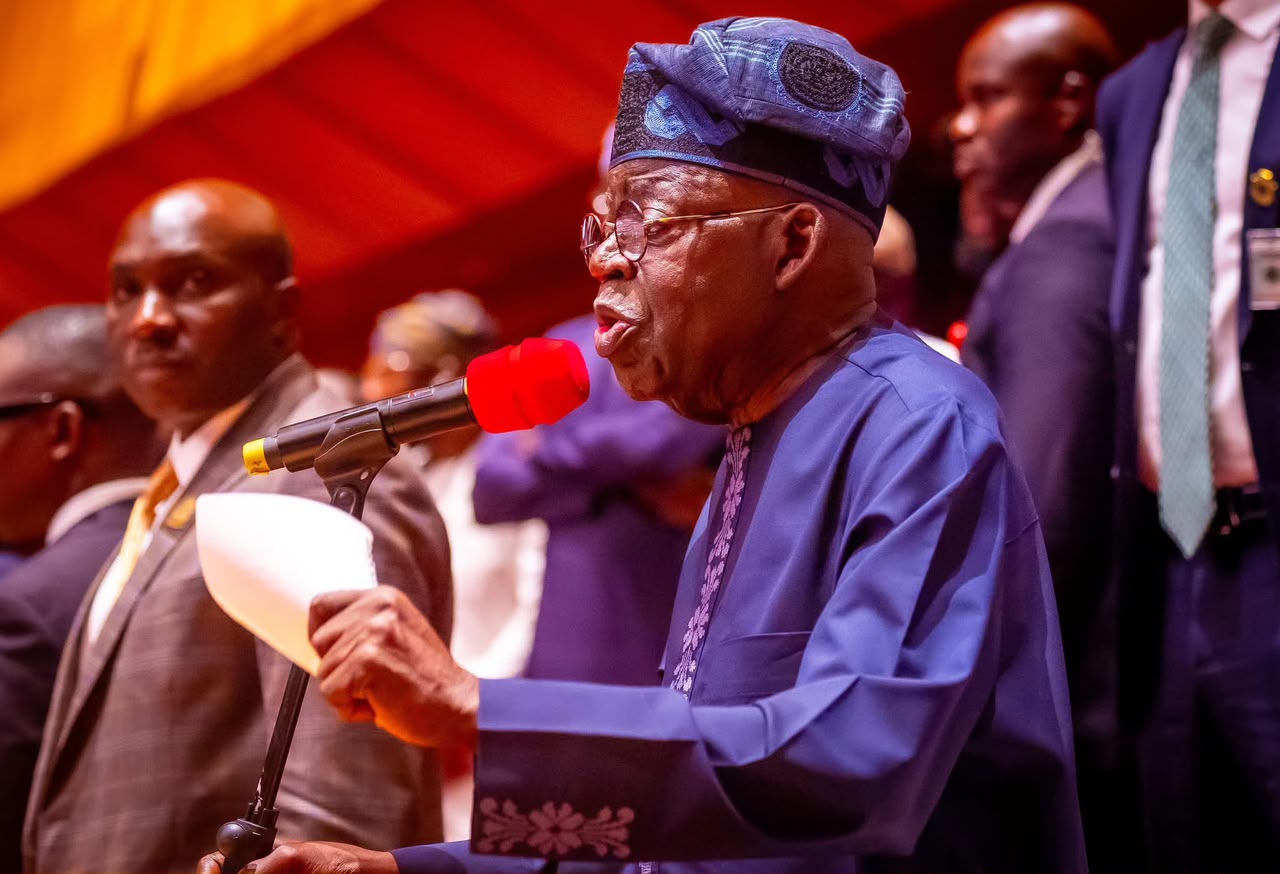
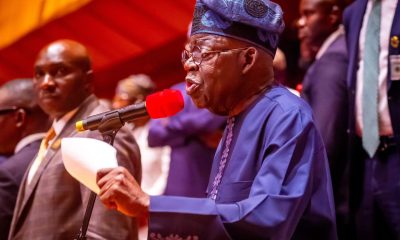
The President made the appeal on Monday, November 23, 2026, at a town hall meeting organised by the Ndigbo National Dialogue and Development Initiatives at the Wole Soyinka Centre for Culture and the Creative Arts in Iganmu, Lagos.
Addressing the gathering, Tinubu said his administration was committed to ensuring that no ethnic group or region was left behind in the country’s development, stressing that Nigeria’s diversity should be a foundation for national unity rather than division.
He called on Igbo residents to deepen their participation in national politics, strengthen relationships with other ethnic groups and contribute to building a peaceful and prosperous country.
Emphasising his message of unity, the President joined participants in singing the national anthem, reiterating that Nigerians should see themselves first as citizens of one country, regardless of their ethnic or linguistic backgrounds.
However, beyond the national unity message, the meeting also carried a clear political undertone as Tinubu openly sought support for his second-term ambition ahead of the January 16, 2027 general elections.
The President urged the Igbo community in Lagos to support his re-election bid alongside other APC candidates, including the party’s governorship candidate, Obafemi Hamzat.
The meeting also featured endorsements from some prominent Igbo stakeholders. Minister of State for Budget and Economic Planning, Doris Uzoka-Anite, who convened the engagement, said grassroots mobilisation was already underway, with structures being established across polling units in Lagos.
Former Minister of State for Labour and Employment, Nkeiruka Onyejeocha, also expressed support for the President, describing political cooperation across ethnic and regional lines as important to the country’s future.
Beyond politics, business financing emerged as a major concern during the engagement.
The leader of the Ndigbo Traders Association in Lagos, Prince Tony Nwakeze, appealed to the Federal Government to make loans available to traders at an interest rate of five per cent.
He explained that affordable financing would help businesses move beyond dependence on imported goods towards local manufacturing, while creating opportunities for young entrepreneurs.
Tinubu, in response to the broader economic concerns raised, highlighted government interventions in education, agriculture and business financing, including the Nigerian Education Loan Fund and facilities available through the Bank of Industry.
Lagos State Governor Babajide Sanwo-Olu also urged the Igbo community to support Tinubu’s re-election, expressing confidence in the President’s political standing in the state.
While the meeting provided an opportunity for the President to engage a significant section of Lagos’ business and cultural community, it also raised an important question about how the administration intends to translate its promise of inclusive governance into measurable outcomes.
For many Nigerians, national unity must extend beyond political speeches to equal opportunities, accessible financing, security, infrastructure and a sense of belonging irrespective of ethnic background.
As the 2027 elections approach, the President’s engagement with Igbo leaders represents another attempt to build political bridges. Whether the assurances made at the meeting will translate into lasting confidence and tangible benefits remains a matter Nigerians will continue to assess.








 Abuja Reports24 hours ago

 Sports24 hours ago
 2027 General Elections21 hours ago
 2027 General Elections12 hours ago
 News3 hours ago
 Abuja Reports3 hours ago
 2027 General Elections3 hours ago

 Foreign News3 hours ago