Article
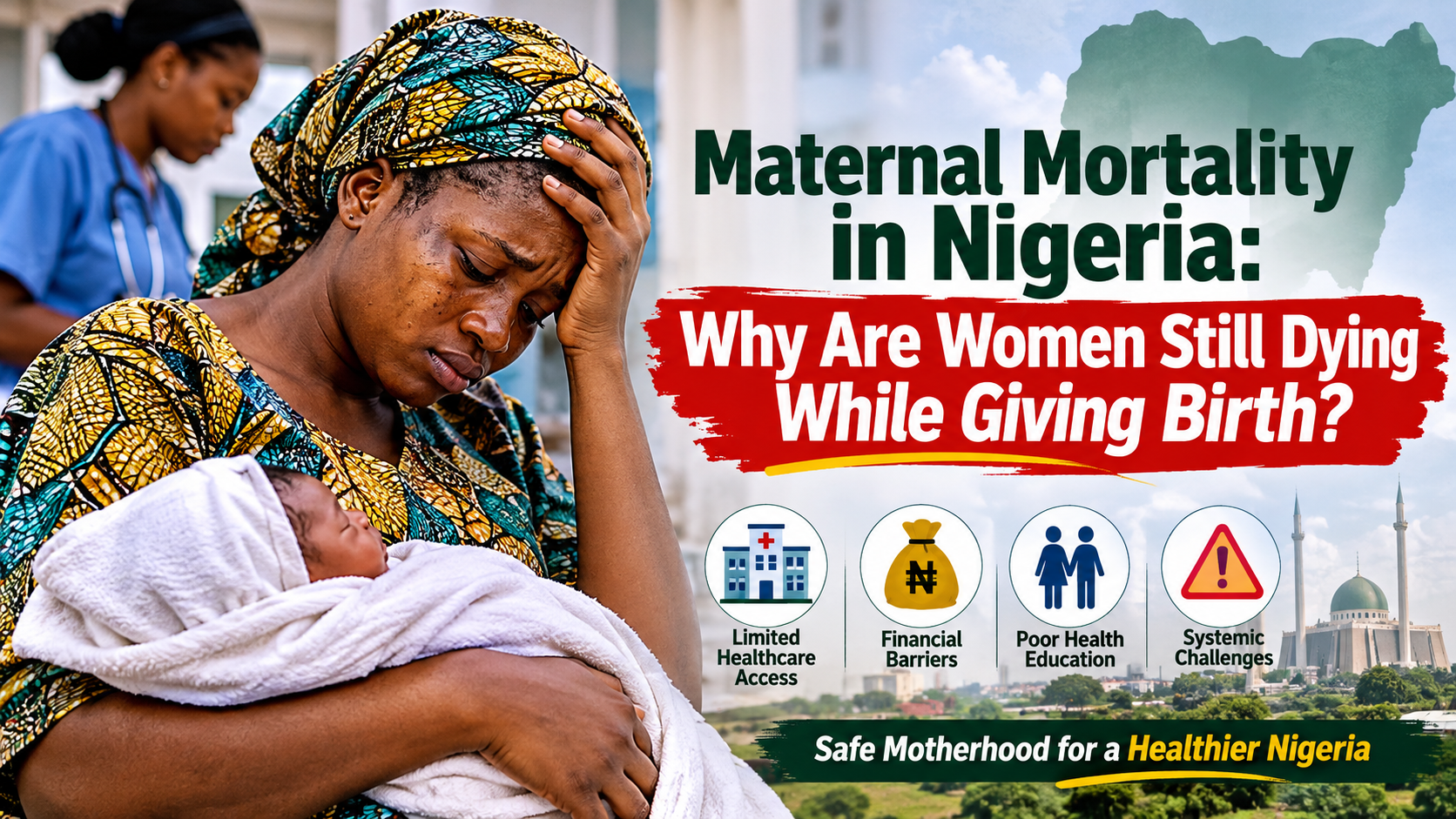
Maternal Mortality in Nigeria: Why Are Women Still Dying While Giving Birth?
Published
12 minutes agoon
By
Abdulkareem
By Abdulkareem Adeyemi
A woman walks into a healthcare facility with the hope of bringing a child into the world. Her family anticipates the arrival of a new member, preparations are made, and expectations are high. Yet, for thousands of Nigerian women every year, pregnancy and childbirth end not with the joy of welcoming a baby but with a preventable death.
Maternal mortality remains one of Nigeria’s most pressing public health challenges, exposing deep-rooted weaknesses in the country’s healthcare delivery system, economic structure, social environment and public health policies. Despite decades of government interventions, international partnerships and maternal health programmes, Nigeria continues to record an alarmingly high number of deaths associated with pregnancy and childbirth.
The question, therefore, is not simply why women die while giving birth. It is why so many of these deaths continue to occur when the medical knowledge, interventions and resources required to prevent a significant proportion of them already exist.
According to the latest internationally comparable estimates published in April 2025 by the World Health Organization (WHO), UNICEF, the United Nations Population Fund (UNFPA), the World Bank Group and the United Nations Department of Economic and Social Affairs, Nigeria recorded an estimated maternal mortality ratio of 993 deaths per 100,000 live births in 2023.
Data published by UNICEF from the same estimation exercise put Nigeria’s estimated maternal deaths at approximately 74,559 in 2023. This translates to more than 200 maternal deaths every day.
The figures are particularly concerning when compared with the United Nations Sustainable Development Goal (SDG) target of reducing the global maternal mortality ratio to fewer than 70 deaths per 100,000 live births by 2030.
Nigeria’s figures indicate that the country remains considerably far from this target, raising serious questions about the effectiveness, accessibility and sustainability of maternal healthcare interventions.
Understanding the Maternal Mortality Crisis
Maternal mortality refers to the death of a woman during pregnancy, childbirth or within 42 days of the termination of pregnancy, from causes related to or aggravated by the pregnancy or its management, excluding accidental or incidental causes.
Although pregnancy and childbirth are natural biological processes, they can involve serious complications requiring immediate medical attention. Some of these complications develop during pregnancy, while others emerge unexpectedly during labour or shortly after delivery.
The most common direct medical causes of maternal deaths include severe bleeding, particularly postpartum haemorrhage, hypertensive disorders such as pre-eclampsia and eclampsia, pregnancy-related infections, complications arising from unsafe abortions and blood clots or other obstetric emergencies.
These conditions are not necessarily fatal when identified early and managed by competent healthcare professionals with access to appropriate medicines, equipment and emergency services.
The challenge in Nigeria is that many women either do not receive adequate care before complications develop or cannot access the quality emergency treatment required when their lives are threatened.
A 2015 nationwide study involving 42 Nigerian tertiary hospitals, published in the BJOG: An International Journal of Obstetrics and Gynaecology, examined 91,724 live births and identified 998 maternal deaths. Pre-eclampsia and eclampsia accounted for 23.4 per cent of severe maternal outcomes, while postpartum haemorrhage accounted for 14.4 per cent.
The study also found that many women arrived at participating hospitals in critical condition, highlighting the consequences of delayed access to effective emergency obstetric care.
These findings demonstrate that maternal mortality is not merely a question of whether a woman visits a hospital. It is also about whether the healthcare system can recognise, respond to and manage complications quickly enough to save her life.
The Healthcare Access Problem: When Hospitals Are Too Far Away or Too Expensive
One of the major contributors to maternal mortality in Nigeria is the unequal distribution and accessibility of healthcare services.
While women in major urban centres may have access to teaching hospitals, specialist maternity facilities and private healthcare providers, many women in rural communities depend on poorly equipped primary healthcare centres or facilities located several kilometres away.
In some communities, reaching a hospital requires travelling through difficult terrain, relying on motorcycles or waiting for transportation that may not be readily available.
For a woman experiencing severe bleeding, prolonged labour or an eclamptic seizure, such delays can be fatal.
The situation is further complicated by the financial burden of healthcare. Although some government programmes provide free or subsidised maternal health services, access and implementation vary across states and facilities.
Many families still struggle to afford antenatal consultations, diagnostic tests, prescribed medications, transportation, hospital admissions and emergency procedures.
The cost becomes particularly burdensome when a pregnancy develops complications requiring specialised treatment or an emergency Caesarean section.
For households already struggling with poverty, these expenses can force difficult decisions about when and where to seek medical assistance.
This is especially concerning in a country where a substantial proportion of the population experiences financial hardship and where health insurance coverage remains inadequate.
The implication is clear: healthcare cannot be considered accessible simply because a facility exists. It must also be geographically reachable, adequately equipped, affordable and capable of providing the necessary services.
Why Antenatal Care and Skilled Birth Attendance Matter
Antenatal care plays an essential role in identifying potential complications before they become life-threatening.
Regular pregnancy consultations allow healthcare professionals to monitor blood pressure, assess maternal and foetal health, identify infections, detect anaemia and provide appropriate preventive interventions.
For example, early identification of high blood pressure during pregnancy can help prevent complications associated with pre-eclampsia and eclampsia. Similarly, appropriate screening and treatment can reduce the risks associated with infections and other pregnancy-related conditions.
However, the utilisation of maternal healthcare services in Nigeria remains a concern.
Findings from the 2024 Nigeria Demographic and Health Survey (NDHS), disseminated by the Federal Ministry of Health and Social Welfare in October 2025, show that 63 per cent of women aged 15–49 received antenatal care from a skilled provider, while only 52 per cent completed at least four antenatal visits.
More concerning is the proportion of births taking place outside healthcare facilities.
According to the survey, only 43 per cent of live births occurred in health facilities, while 56 per cent took place at home. Deliveries by Caesarean section accounted for approximately six per cent of live births.
These figures highlight a significant gap between the availability of maternal healthcare services and their utilisation.
Although delivering at a health facility does not automatically guarantee a safe outcome, access to skilled birth attendants and emergency obstetric services significantly improves the chances of identifying and managing complications.
It is equally important to understand that antenatal care should not be reduced to the number of visits a pregnant woman makes. The quality of consultations, availability of diagnostic services, appropriate treatment and continuity of care are equally important.
A woman who attends several antenatal appointments but receives inadequate assessment or is unable to access emergency care when complications arise remains vulnerable.
The Three Delays: Understanding Why Women Die
A useful framework for understanding maternal mortality is the three-delays model, which identifies three critical stages at which women may experience delays in receiving lifesaving care.
The first delay: Deciding to seek medical attention.
This occurs when a woman or her family fails to recognise the seriousness of a pregnancy complication or delays seeking professional assistance.
Poor health education, cultural beliefs, fear of medical procedures, financial limitations and dependence on traditional birth attendants can influence this decision.
In some communities, childbirth is considered a natural process that should be managed at home unless complications become severe. Unfortunately, waiting until a situation becomes critical can reduce the chances of survival.
The second delay: Reaching a healthcare facility.
Even when families recognise an emergency, transportation challenges, poor road networks, distance and insecurity can prevent timely access to medical care.
For women living in remote communities, the absence of reliable emergency transportation and functional referral systems can turn treatable complications into fatal emergencies.
The third delay: Receiving adequate treatment after arrival.
This is perhaps one of the most troubling dimensions of the problem because it highlights weaknesses within healthcare facilities themselves.
A woman may successfully reach a hospital but still face delays caused by inadequate staffing, unavailable blood supplies, insufficient medical equipment, poor coordination, delayed surgical intervention or shortages of essential medicines.
The 2015 nationwide study of maternal deaths and near-misses in Nigerian tertiary hospitals identified several important barriers, including delays in Caesarean sections, inadequate availability of magnesium sulphate and insufficient access to safe blood transfusion services.
Magnesium sulphate is an essential medicine for preventing and treating seizures associated with severe pre-eclampsia and eclampsia.
These findings demonstrate that improving maternal health requires more than encouraging women to visit hospitals. Healthcare facilities must also be capable of delivering timely, effective and appropriate treatment.
The Social and Cultural Factors Behind Maternal Deaths
Maternal mortality is also influenced by factors that exist outside the walls of healthcare facilities.
Education, poverty, gender inequality, cultural expectations and household decision-making can determine whether a woman receives adequate care throughout pregnancy and childbirth.
Women with limited educational opportunities may have less access to information about pregnancy complications, the importance of antenatal care and the warning signs that require immediate medical attention.
In some households, women may not have the financial independence or decision-making authority to seek healthcare without the approval or financial support of their husbands or other family members.
This can create dangerous delays, particularly when emergencies require immediate intervention.
Early marriage and adolescent pregnancy also deserve attention. Younger mothers may face additional medical and social vulnerabilities, especially where pregnancy occurs alongside poverty, inadequate nutrition, limited education and poor access to reproductive health information.
Furthermore, the stigma surrounding reproductive health and unintended pregnancies can discourage some women from seeking appropriate medical assistance.
Unsafe abortion is another important contributor to maternal mortality. Where women lack access to comprehensive reproductive health information and appropriate reproductive healthcare, some may resort to dangerous procedures or unqualified providers.
The consequences can include severe bleeding, infections and other life-threatening complications.
Addressing these issues requires a broader public health approach that recognises women’s autonomy, improves health literacy, strengthens reproductive health services and challenges social conditions that prevent women from accessing care.
Regional Inequalities: A National Problem With Different Local Realities
Nigeria’s maternal mortality challenge is not evenly distributed across the country.
The experiences of women in urban communities with relatively better healthcare infrastructure may differ considerably from those of women in underserved rural areas.
Differences in educational attainment, household income, healthcare infrastructure, security, cultural practices and the availability of skilled health professionals contribute to variations in maternal healthcare utilisation and outcomes.
The northern and southern regions also face different combinations of social, economic and health-system challenges.
In some communities, limited access to female healthcare professionals, restrictions on women’s mobility, early marriage and low levels of formal education may influence the use of maternal health services.
In other locations, overcrowded hospitals, high healthcare costs, inadequate infrastructure and shortages of specialised personnel remain significant concerns.
It would, however, be misleading to assume that maternal mortality is exclusively a northern Nigerian problem or that every community within a particular region experiences the same conditions.
The national response must therefore recognise local realities and develop interventions based on reliable state-level and local government-level health data.
A uniform policy may establish national direction, but effective implementation must account for the specific circumstances of the communities it is intended to serve.
Government Interventions: Progress, but Is It Enough?
Nigeria has introduced several policies and programmes aimed at improving maternal and child health.
These include the Basic Health Care Provision Fund (BHCPF), initiatives to strengthen primary healthcare delivery, the National Health Insurance Authority framework, and the Nigeria Health Sector Renewal Investment Initiative.
The Basic Health Care Provision Fund, established under the National Health Act 2014, provides an important financing mechanism for improving access to essential primary healthcare services, including maternal and child health interventions.
Through government programmes supported by development partners, some primary healthcare facilities have received infrastructure improvements, essential medicines and additional health workers.
A World Bank report published in October 2024 highlighted efforts supported by the Global Financing Facility to strengthen approximately 900 primary healthcare facilities, including improvements to maternity services and the provision of essential medicines.
The report also acknowledged that many primary healthcare facilities remain inadequately equipped and that healthcare services continue to be unaffordable for some families.
More recently, the Federal Ministry of Health and Social Welfare has reported improvements in maternal health indicators in selected high-burden local government areas under its targeted interventions.
At the 2025 Nigeria Health Sector-Wide Joint Annual Review, the Coordinating Minister of Health and Social Welfare reported a 17 per cent decline in maternal deaths across the 172 targeted high-burden local government areas.
The government also reported that 435 primary healthcare facilities had been revitalised and that emergency Caesarean sections were being supported in participating National Health Insurance Authority-empanelled facilities.
These developments are encouraging, but they should be interpreted carefully. Improvements reported in targeted local government areas do not automatically establish an equivalent reduction in maternal mortality across the entire country.
The real test of these programmes is whether they translate into sustained, measurable improvements in maternal survival nationwide.
Government interventions must move beyond policy announcements and infrastructure commissioning to consistent service delivery, adequate financing, accountability and transparent measurement of outcomes.
You may like
Abuja Reports
Abuja’s Empty Buildings: Who Are We Building Houses For?
Published
5 hours agoon
November 25, 2026
By Edisemi Andrew
*Abuja is gradually becoming a city where beautiful buildings are increasingly difficult to live in.*
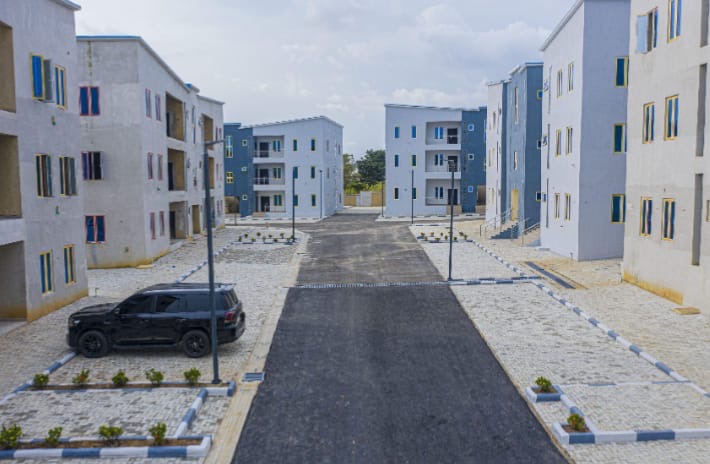
Across the Federal Capital Territory, impressive residential estates tastefully finished apartments, gated communities and modern housing developments continue to emerge. New roads, bridges, interchanges, streetlights and other infrastructure are transforming previously neglected neighbourhoods into attractive residential and commercial locations. Yet, beneath this visible transformation lies an uncomfortable contradiction: while the city continues to attract property investments and expand its housing stock, a growing number of ordinary Nigerians are struggling to afford decent accommodation. The question is becoming increasingly difficult to ignore: If good infrastructure is a justification for higher property values and rental charges, why are so many completed buildings still unoccupied when thousands of residents desperately need affordable homes?
Certainly, infrastructure adds value to property. A neighbourhood with accessible roads, reliable electricity, good drainage, security, water supply and proximity to workplaces naturally becomes more attractive to residents and investors. Property owners also have legitimate concerns about construction costs, maintenance, land charges, inflation and the cost of providing additional facilities.
However, there is a difference between recognising the value of infrastructure and using every improvement in a neighbourhood as an opportunity to impose rental charges that are disconnected from what most residents can realistically afford. Roads are being constructed, neighbourhoods are becoming more accessible and previously less attractive locations are experiencing increased property demand. But, should the benefits of public infrastructure automatically translate into rental increases that exclude the very people whose taxes and economic activities help sustain the city?
Infrastructure should improve the quality of life, not gradually make that quality of life financially inaccessible.
*The contradiction of empty buildings and homeless tenants*
One of the most striking sights in parts of Abuja is the number of completed residential properties that appear to remain vacant for extended periods.
Beautifully designed buildings, sometimes within secured estates, stand behind locked gates while prospective tenants move from one inspection to another, only to discover that the asking rent is beyond their financial capacity.
This raises another important question about the direction of Abuja’s property market.
Are developers building primarily for people who need homes, or increasingly for investors who see property as an asset for preserving and growing wealth?
A September 2026 report by the Housing Development Advocacy Network (HDAN) highlighted this contradiction, identifying a mismatch between the type of housing being developed and the purchasing power of residents. The organisation estimated Abuja’s housing deficit at 1.7 million units, while warning that some completed luxury properties remain under-occupied because they are beyond the reach of most households.
The figures point to a housing market with two simultaneous problems: insufficient affordable housing and properties that exist but are financially inaccessible to the majority of people who need accommodation. That is a development contradiction worth examining.
A house that remains locked because its rental price is unrealistic may represent an investment to its owner but it does little to address the accommodation needs of the surrounding population.
*When accommodation becomes a luxury*
For many Nigerian workers in Abuja, finding accommodation is no longer simply about choosing a convenient neighbourhood. It has become a financial exercise involving months of savings, family assistance, loans and difficult compromises. A civil servant earning a modest salary, a young professional starting a career, a teacher, a small-business owner or an informal-sector worker may find it difficult to raise millions of naira for annual rent, agency fees, legal charges, caution deposits and service charges.
A July 2026 investigation by BusinessDay reported that rents in several Abuja districts had increased substantially over two years. It cited examples of two-bedroom apartments in Lokogoma rising from approximately ₦1.2 million in 2023 to as much as ₦2.5 million, excluding additional charges.
NOIPolls also reported in October 2026 that 71% of surveyed Abuja residents found meeting rent obligations much harder than three years earlier while 93 per cent of rent-paying respondents said landlords required 2 years rent upfront. These findings illustrate the pressure on tenants, although the poll’s results should be understood within its surveyed population rather than treated as a census of every Abuja household.
The bigger problem is that salaries have not necessarily grown at the same pace as accommodation costs. For some residents, securing a roof over their heads now means sacrificing savings, healthcare, education, transportation and other basic needs. Others are being pushed towards satellite communities where accommodation may be relatively cheaper but transportation costs, commuting time and pressure on public infrastructure introduce another set of challenges.
*Is this really the kind of urban development Abuja should be celebrating?*
Infrastructure should not become an excuse for unlimited rent increases
Nobody is suggesting that property owners should operate at a loss or that improvements to residential neighbourhoods should have no influence on property values.
Developers invest substantial resources in acquiring land, obtaining approvals, purchasing building materials and completing construction. Landlords also incur expenses maintaining buildings, paying levies and providing services.
These realities deserve recognition but public infrastructure is largely funded through public resources. When government constructs roads, improves drainage, installs streetlights or expands public facilities, the resulting benefits should extend beyond increasing the investment value of privately owned properties. There should also be a conversation about how those improvements can make neighbourhoods more accessible and affordable to ordinary residents.
The concern is not that property values should never increase. It is that rental pricing should not become completely disconnected from household incomes and the actual demand for accommodation. A city cannot claim meaningful housing progress simply because it has more impressive buildings, modern estates and expensive apartments. The real measure should include how many people can afford to live in those buildings.
*What should the FCT Administration do?*
The Federal Capital Territory Administration needs to look beyond road construction and physical beautification and give greater attention to the housing affordability crisis.
First, there should be a credible assessment of vacant residential properties across the FCT. Government needs better information about completed but unoccupied buildings, why they remain vacant, their ownership structures and whether they are available for rent or held primarily for investment purposes.
Second, affordable housing development should become a deliberate priority. Developers should be encouraged through appropriate incentives and transparent land-allocation policies to provide accommodation for low and middle-income earners, not just the luxury market.
Third, the government should examine the additional charges imposed on tenants. Agency fees, legal fees, caution deposits and other demands can make an already expensive rental process even more difficult. There should also be greater transparency in property transactions and stronger enforcement of existing tenancy protections.
Finally, government should encourage more flexible rental arrangements, including monthly and quarterly payment options where practical, alongside affordable rental and rent-to-own programmes. The National Institute for Legislative and Democratic Studies in a January 2026 issue brief on arbitrary rent increases and tenant protection, also highlighted the need for a stronger legislative framework to protect tenants from unreasonable rental practices.
These are not demands for government to punish property owners. They are calls for a housing system that recognises the legitimate interests of landlords while protecting the ability of residents to secure decent accommodation.
*A city should be judged by who can afford to live in it*
Abuja was designed to be a modern capital city with planned districts, organised infrastructure and an environment capable of supporting different categories of residents but modernity should not be measured only by the appearance of its buildings, the quality of its roads or the exclusivity of its residential estates. It should also be measured by the opportunities available to the people who live and work there.
What is the value of beautifully constructed apartments when the teachers, nurses, junior civil servants, artisans, young professionals and small-business owners who keep the city functioning cannot afford to rent them? What is the point of expanding infrastructure if the resulting increase in property costs pushes ordinary residents farther away from their workplaces? And what does it say about our housing priorities when completed buildings remain locked while families continue to struggle to find accommodation within their means? Perhaps it is time to rethink what constitutes success in Abuja’s property market.
Good infrastructure should increase the value of a city, but it should not make the people who depend on that city feel unwelcome in it.
A city is not successful simply because its buildings are expensive. It is successful when its development creates room for people across different income levels to live, work and build decent lives. Abuja needs more than beautiful buildings. It needs homes that Nigerians can actually afford.
Article
Nigeria Through Foreign Lens: Why We Must Stop Being Our Own Worst Critics
Published
5 months agoon
July 11, 2026By
Abdulkareem
By Foluso Ojo
A recent video circulating online shows foreign financial analysts discussing Nigeria’s emergence as the world’s best performing stock market. They attributed the country’s remarkable performance to bold economic reforms, improved investor confidence, and policy decisions that are gradually reshaping the economy.
Ironically, while international observers are beginning to acknowledge Nigeria’s economic progress, many Nigerians remain unwilling to admit that anything positive is happening. Every positive development is either dismissed as propaganda or met with suspicion, while every setback is amplified as proof that the country is beyond redemption.
Constructive criticism is essential in any democracy. Governments should be questioned, policies should be scrutinized, and leaders should be held accountable. However, there is a significant difference between constructive criticism and a persistent determination to portray one’s country as a complete failure.
It has become common to hear some opposition figures and self styled economists argue that nothing is working, regardless of the available evidence. More concerning is the attitude of many Nigerians in the diaspora, who often become the loudest voices projecting only the country’s failures to the rest of the world. While every nation has challenges, not every nation is so eager to convince the world that it is hopeless.
No one is suggesting that Nigeria has solved all its economic problems. Inflation remains high, many families are struggling with the rising cost of living, unemployment remains a concern, and millions are still waiting to feel the full impact of recent reforms. These realities should never be ignored.
Yet, acknowledging these challenges should not prevent us from recognizing genuine progress where it exists.
Economic reforms are rarely painless. Across the world, countries that have successfully transformed their economies often endured difficult transition periods before the benefits became widely felt. If respected international investors and financial analysts are beginning to identify positive indicators in Nigeria, we should at least be willing to examine those indicators objectively instead of rejecting them simply because they do not fit our preferred narrative.
Patriotism does not require blind support for any government, nor does it demand silence in the face of poor policies. True patriotism means celebrating national achievements while demanding improvements where necessary. It means correcting what is wrong without denying what is right.
Nigeria is not perfect, but it is not standing still either. Progress may be slower than many would like, but progress is still progress. A nation cannot build confidence if its own citizens refuse to believe in its potential.
The question before us is simple: If foreigners can identify reasons to invest in Nigeria and speak positively about its future, why are Nigerians often the last to acknowledge their own country’s achievements?
It is time to change the narrative. Let us continue to hold our leaders accountable, but let us also learn to celebrate genuine successes. We can criticize without condemning. We can demand better while recognizing progress.
Nigeria is a work in progress. Instead of becoming ambassadors of hopelessness, let us become ambassadors of honest optimism, people who acknowledge our challenges, celebrate our victories, and believe that our country can become even greater than it is today.
By Omobolanle Akeem Covenant
The struggle between the flesh and the Spirit is one of the most profound realities of the Christian life. In Galatians 5:16–18, the Apostle Paul gives a clear instruction and a powerful revelation: “Walk in the Spirit, and you shall not fulfill the lust of the flesh. For the flesh lusts against the Spirit, and the Spirit against the flesh…” This passage highlights an ongoing inner conflict and provides the key to victorious living.
Understanding The Flesh
The “flesh” does not merely refer to the physical body, but to the sinful nature within man. The part that is inclined toward disobedience, selfish desires, and rebellion against God. The works of the flesh manifest in actions and attitudes that are contrary to God’s will, such as sexual, impurity,lewdness, idolatry, sorcery, hatred, jealousy, anger, pride, strife, selfishness, dispensing, heresies, envy, murders, drunkenness, carousing, etc.
The flesh seeks immediate gratification without regard for spiritual consequences. It pulls a believer away from God’s purpose and weakens spiritual sensitivity. Left unchecked, it dominates a person’s life and leads to spiritual defeat and eternal separation from God.
Understanding The Spirit
The Spirit refers to the Holy Spirit. The divine presence of God dwelling in believers. The Spirit leads, guides, teaches, and empowers believers to live righteously. Walking in the Spirit means living in obedience to God, being sensitive to His leading, and allowing His Word to shape our thoughts and actions.
When one is led by the Spirit, there is transformation from within. The desires begin to align with God’s will, producing fruits such as love, joy, peace, patience, gentleness, goodness, faith, meekness, and self-control.
The Conflict Between Flesh and Spirit
Apostle Paul makes it clear that there is a constant opposition: “the flesh lusts against the Spirit, and the Spirit against the flesh.” This means both cannot dominate at the same time. The believer stands at a crossroads daily, either to yield to the flesh or to submit to the Spirit.
This conflict explains why even committed believers sometimes struggle with sin. It is not a sign of failure, but a reminder of the need for daily dependence on the Spirit.
The Key to Victory: Walking in The Spirit
Walking in the Spirit is the believer’s pathway to victory over the flesh. It is a daily, intentional lifestyle of yielding to the Holy Spirit. The solution Apostle Paul gives is simple yet powerful: “Walk in the Spirit.” Walking implies a continuous, intentional lifestyle, not a one-time action. It involves:
1. Daily Fellowship with God (Prayer & Word):
Consistent communion with God strengthens your spirit and aligns your life with His will. 1 Thessalonians 5:17 “Pray without ceasing.” emphasise the importance of prayer while Mathew 4:4 explains that man can not survive by bread alone but by the Word of God, “But he answered and said, It is written, Man shall not live by bread alone, but by every word that proceedeth out of the mouth of God.”
Prayer and God’s word will keep your spirit nourished and sharp, making it easier to overcome fleshly desires.
The life of Daniel is a is a good example, He maintained a disciplined prayer life (Daniel 6:10), even under pressure.
2. Obedience to Divine Instructions:
Walking in the Spirit requires prompt and total obedience to God’s Word and leading. Isaiah 1:19 “If ye be willing and obedient, ye shall eat the good of the land.”
Obedience aligns you with God’s purpose and releases spiritual authority. Just as Abraham Obeyed God’s call without hesitation (Genesis 12:1–4).
3. Sensitivity to the Holy Spirit:
A Spirit-led believer learns to discern and follow the inner voice of the Holy Spirit.
Romans 8:14 “For as many as are led by the Spirit of God, they are the sons of God.”
Being led by the Holy Spirit prevents wrong decisions and guides you into truth and righteousness.
Philip the Evangelist Obeyed the Spirit’s direction to meet the Ethiopian eunuch (Acts 8:29).
4. Self-Discipline to Reject Sinful Desires:
Walking in the Spirit involves consciously resisting the flesh. Galatians 5:24 And they that are Christ’s have crucified the flesh with the affections and lusts.
Self-discipline helps you to build spiritual strength and keeps you from falling into temptation.
Joseph fled from sin when tempted by Potiphar’s wife in Genesis 39:9–12 he was able to do so because he has the fear of God, and he lived a disciplined life.
5. Daily Consecration:
Consecration means setting yourself apart continually for God’s use. Romans 12:1 I beseech you therefore, brethren, by the mercies of God, that ye present your bodies a living sacrifice, holy, acceptable unto God, which is your reasonable service.
Consecration keeps your heart pure and focused on God’s will daily. The life of
Samuel is a good experience. He lived a dedicated to God from childhood and served faithfully (1 Samuel 3:19).
6. Holy and Righteous Living:
A Spirit-filled life produces visible fruits of righteousness. according to Galatians 5:22–23 It reflects Christ in you and draws others to God.
Stephen Lived a life full of faith and the Holy Spirit (Acts 6:5, 7:55).
When a believer consistently walks in the Spirit, the power of the flesh is weakened. Victory over sin becomes a natural outcome, not a forced struggle.
Freedom Through The Spirit
Verse 18 concludes with a powerful assurance: “But if you are led by the Spirit, you are not under the law.” This means that the Spirit brings freedom not lawlessness, but freedom from the bondage of sin and the condemnation of the law.
Living by the Spirit elevates a believer beyond mere keeping rules into a relationship-driven life with God, where righteousness flows from within.
Conclusion
Jesus Christ, our perfect example lived a Spirit-led life (Luke 4:1) Walking in the Spirit is not automatic, it requires intentional daily practice. As you pray, obey, stay sensitive, exercise discipline, consecrate yourself, and live righteously, you will experience victory over the flesh and manifest the life of Christ.The message of Galatians 5:16–18 is a call to intentional spiritual living. The battle between flesh and Spirit is real, but victory is assured for those who choose to walk in the Spirit. The Christian life is not about struggling endlessly with sin, but about yielding daily to the Spirit who empowers us to live above it.
To walk in the Spirit is to live a life of total dependence on the Holy Spirit and faith in God’s Word, a life of purpose, power, and divine alignment where the flesh no longer rules, and God’s Spirit takes full control.
Maternal Mortality in Nigeria: Why Are Women Still Dying While Giving Birth?
Abuja’s Empty Buildings: Who Are We Building Houses For?
Abuja Community in Shock as Farmer Discovers Decomposing Body in Cornfield
Trending
-
Crime22 hours agoKatsina Suspends Daura Emir, Orders Probe Into Assault Allegation
-
Abuja Reports8 hours agoRelief for Abuja Workers as Free Transport Scheme Takes Off on Nyanya Route
-
Abuja Reports21 hours ago2027: Aduda, Kingibe, Amanda Among 20 FCT Senate Candidates
-
Entertainment8 hours agoNollywood Mourns as Pete Edochie Bows Out At 79
-
Abuja Reports8 hours agoNASRDA Unveils Satellite Models, Space Facilities at Abuja Conference
-
Abuja Reports5 hours agoTragedy on Abuja Airport Road as Truck Kills Mother, Daughter Heading to Farm
-
Abuja Reports5 hours agoAbuja Community in Shock as Farmer Discovers Decomposing Body in Cornfield
-
News8 hours agoNNPC Says $2.04bn Duke Oil Crude Cargoes Fully Reconciled