Energy
‘Don’t Destroy The Masses’ Lifeline’


By Aliyu Muhammad
In a country where promises often are not fulfilled and policies rarely reach the grassroots, the Presidential Initiative on Compressed Natural Gas (PICNG) stands out like a flicker of light in a long tunnel.
It is one of the most transformational, people-driven interventions Nigeria has seen in decades, it is a bold response to the economic storm that followed the fuel subsidy removal in 2023.
And yet, even as the masses begin to taste the sweetness of this policy, there are those plotting against its progress. But let it be said clearly and boldly: no weapon fashioned against PICNG shall prosper, for this initiative has become more than just a policy; it is the lifeline of the common man, the breadwinner’s hope, and a government’s promise finally taking flesh.
Across the country, the testimonies are real and moving. From the buzzing motor parks of Lagos to the quiet corners of Makurdi, from tricycle riders in Benin to taxi drivers in Kano, Nigerians are beginning to experience what it feels like to breathe economically again.
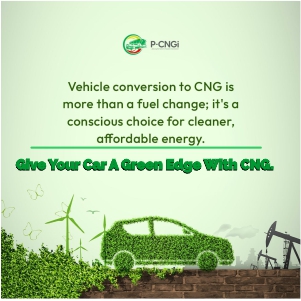
At the heart of it is Compressed Natural Gas-CNG-a cleaner, cheaper, and more sustainable alternative to the ever-unpredictable petrol.
The Tinubu-led administration, through the PICNG, has gone beyond lip service. It has rolled up its sleeves and hit the ground running with practical steps that are easing the burden on ordinary Nigerians.

The strategy is deliberate and multi-dimensional: provision of conversion kits, construction of CNG refueling stations, deployment of CNG buses, empowerment of technicians, and consistent public engagement.
Already, over 6,000 vehicles have been converted to CNG use, and more than 30 conversion centers have been approved across the country. Just recently, pilot CNG buses began operating in major cities like Abuja and Lagos, slashing transport fares significantly for commuters.
For a country reeling under the weight of inflation, high food prices, and stagnant incomes, these buses are not just modes of transport, they are symbols of relief.

The economic benefits cannot be overstated. While petrol fluctuates wildly and often costs over ₦900 per litre, CNG remains stable at an average of ₦230 per Standard Cubic Metre (SCM).
For a commercial driver burning ₦10,000 on fuel daily, switching to CNG could slash that cost by more than half, every month. The money saved is enough to pay school fees, put food on the table, or support a small business.
And it’s not just the drivers who benefit. With the rise of CNG workshops, unemployed youths are being trained as conversion technicians. Women are venturing into small-scale CNG retail. Entrepreneurs are building new fueling stations. A complete ecosystem is being born; one that is creating jobs, encouraging innovation, and sparking hope in an economy that desperately needs it.
But with every noble project comes resistance. Sadly, while the government is pushing the initiative with sincerity and intensity, some elements within the private sector, particularly among independent CNG marketers are actively sabotaging it.
They blame and castigate the government for helping the poor with free kits and free convertion with the argument that there is corruption in the system (PICNG), but the reality is that they want to protect their business and interest.
With the free kits and conversion, they have constantly complained that the business is stalled and their money tied down because of low patronage. The question now is why should they fight a government that brought an initiative they are benefiting from? Should the government turn against the masses because of independent Marketers of CNG kits and owners of conversion centres? No!

These unscrupulous dealers are driven not by the common good but by profit margins. Instead of being allies in the national energy transition, they have become stumbling blocks. It is unfortunate and deeply unpatriotic.
Let this serve as a stern warning to these evil doers: desist now. The patience of the Nigerian people is not endless.
Sabotaging a lifeline meant for the masses is wickedness in its purest form. The government must clamp down on these bad actors with swift regulatory action. Licenses must be revoked, penalties enforced, and transparency restored in the supply chain.
To be clear, no system is perfect. Even within PICNG, there are likely a few bad eggs; those who slow down progress through inefficiency or self-interest. But these isolated shortcomings do not discredit the larger vision.
The PICNG initiative remains the best thing any administration in recent Nigerian history has done for the people, especially in the aftermath of subsidy removal.
Too many times in the past, Nigerians have watched grand policies disappear into thin air after launch ceremonies and press conferences. But this time, they are seeing and feeling results.
The smiles on the faces of tricycle riders who now spend less and earn more, the relief on the faces of mothers whose transport fares have dropped, the spark in the eyes of youth getting trained in CNG tech are all proof that this is not another hoax.
The Federal Government, under President Tinubu, must not back down. If anything, the momentum must be doubled. More conversion centers must be rolled out, more partnerships encouraged, more public education conducted. And above all, there must be zero tolerance for sabotage, from within or outside the system.
It is also time for state governments to step up. The Federal Government has shown the way, let others follow. Some like Edo and Ogun States have already begun adopting CNG for public buses and civil service fleets. This must become a national movement.
The goal is not just energy affordability; it is energy independence; a future where Nigeria uses what it has to empower its people.
With over 200 trillion cubic feet of natural gas reserves, Nigeria is sitting on a goldmine. For decades, that potential was buried under bureaucracy and foreign oil dependency. But now, through PICNG, the country is finally starting to harness it for the benefit of its own people.
The masses know this. They may not speak in policy jargon, but they feel the difference in their pockets. They may not understand energy transition in technical terms, but they understand what it means to finally have some relief. And they are watching closely.
So again, let the message ring loud and clear: no weapon fashioned against PICNG shall prosper. Whether it is greedy kit dealers, corrupt middlemen, or lazy officials, they will not succeed. The Nigerian people have tasted hope, and they are not letting go.
For once, a government initiative is working and it is working for the poor. That alone is worth protecting, promoting, and perfecting. Let everyone; citizens, civil society, media, and market actors rally behind this lifeline.
In a country long starved of good news, PICNG is a breath of fresh air. It is the people’s programme. It is Nigeria’s path forward. And no amount of sabotage will stop it.






Nigeria Through Foreign Lens: Why We Must Stop Being Our Own Worst Critics

Church Leader at 50, Renews Commitment to Humanitarian Service, Family Values

34 Young Leaders Join PELF 2026 Cohort in Plateau