By Samuel Adeola
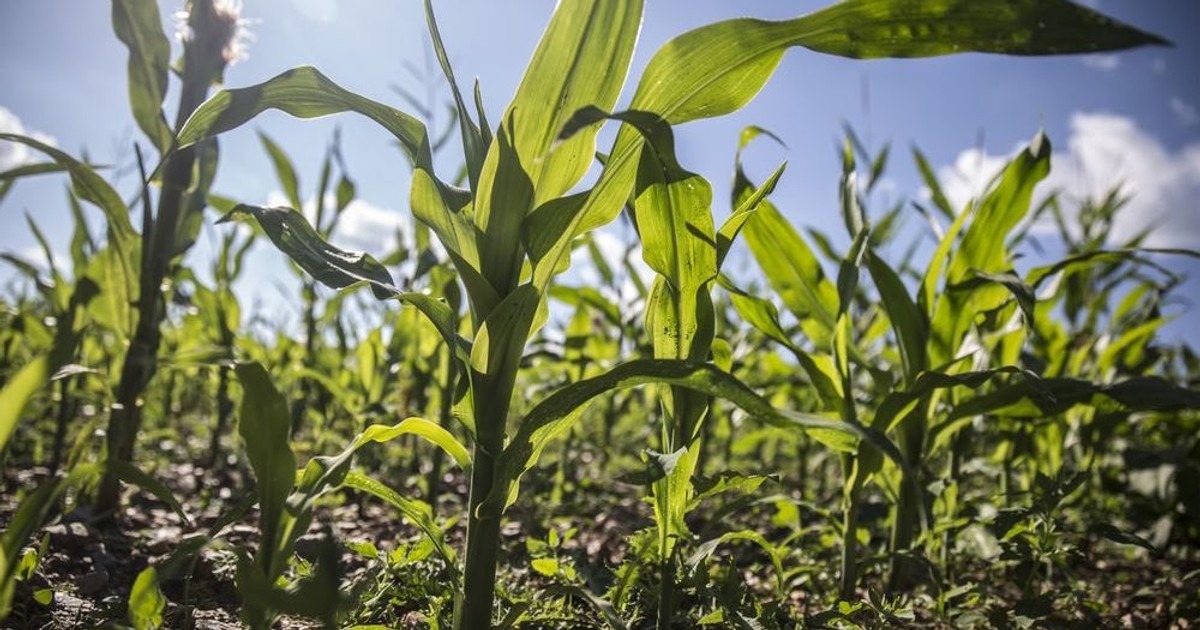
In the heart of Abuja, beneath a noisy highway bridge, 42-year-old Bala Haruna tends to his family’s corn, cassava, and okra farmland, he says existed “long before” the hotels, mosques, and high-rises of Nigeria’s capital.
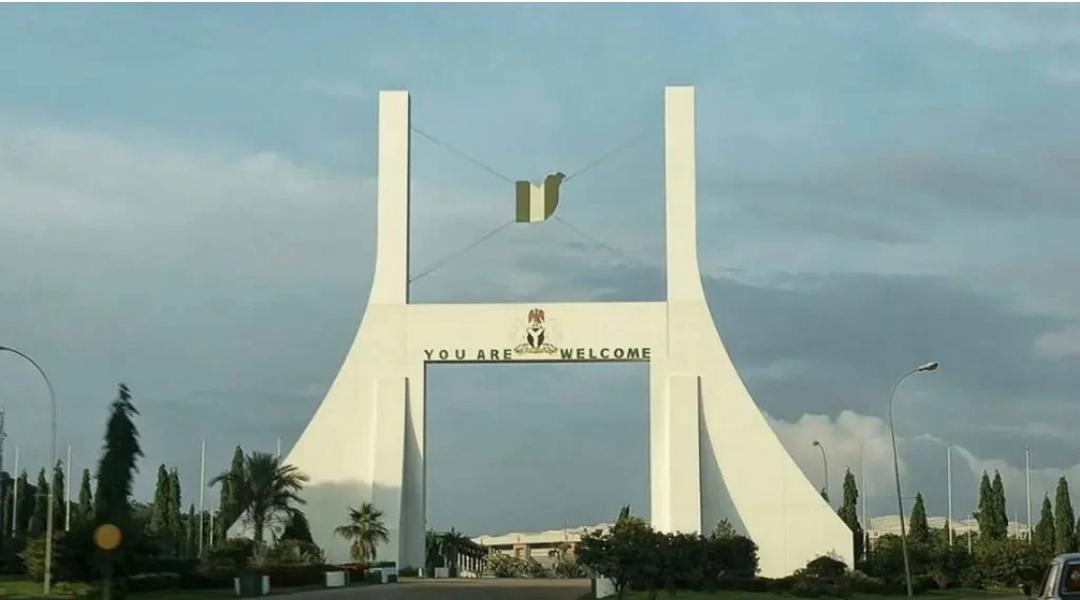
Although Abuja was designed as a carefully planned city, scattered farmlands like Haruna’s expose the gaps in that vision.
These green spaces, often tucked into low-lying areas and creek beds, have survived for decades amidst the concrete sprawl. But now, they are under increasing threat from property developers.
“Having a green space in a densely populated city like Abuja does a lot of good,” said 63-year-old retiree Malik Kuje Guni, who turned to farming to supplement his pension.
Despite rules meant to protect such areas, farmers claim developers are encroaching without valid documents. One group of farmers reportedly received just N300,000; now worth about $190 for land seized three years ago. Many of these plots fall within designated municipal green zones where construction and farming are officially prohibited, but enforcement remains weak.
Urban planning researcher Ismail Nuhu criticized the frequent abuse of the Abuja master plan. “Politicians use it to grab land, citing the master plan just to say, ‘Oh, this isn’t supposed to be here,’” he said, noting that even the presidential villa does not sit where the plan originally intended.
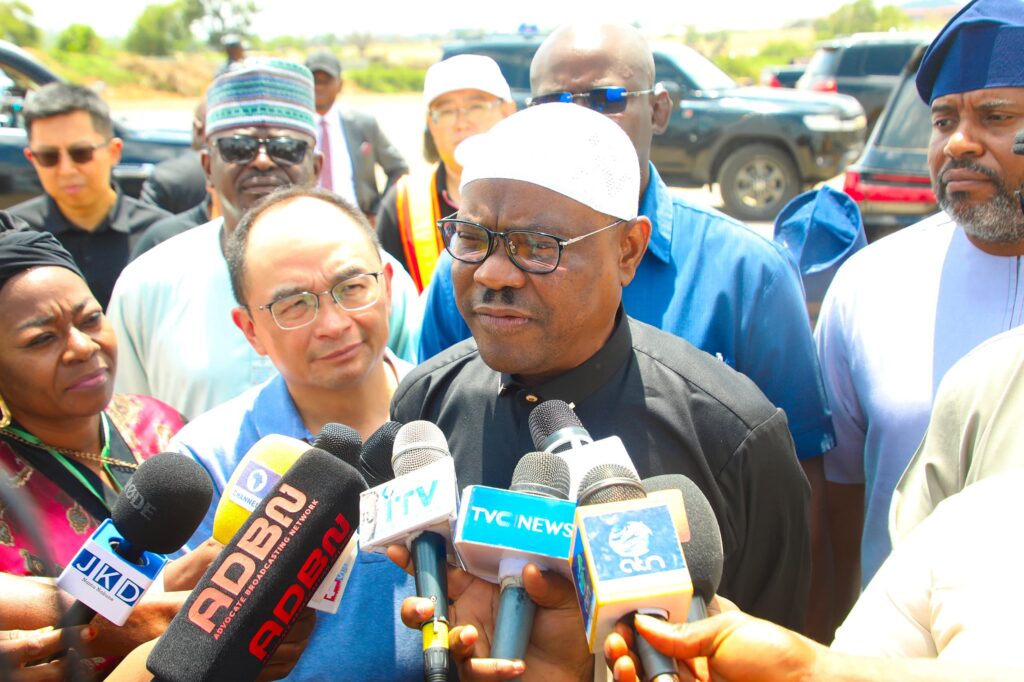
Federal Capital Territory Minister, Nyesom Wike, has pledged to strictly enforce the 1970s-era Abuja master plan, including carrying out demolitions and providing compensation to those affected.
Yet for farmers like Haruna and 65-year-old Godwin Iwok, who left a security job more than two decades ago to farm, the future remains uncertain.
Iwok says developers have twice destroyed his crops without offering any compensation. Still, he remains hopeful for his children’s future.
“I wouldn’t want my children to stand under the sun as I did,” Iwok said.