Connect with us

Uncategorized

Sewage Overflow in Garki Banking District Sparks Bribery Allegations

Published

on

By Huldah Shado

A major environmental hazard is currently threatening residents, workers, and visitors in the bustling Area 7 banking district of Garki, Abuja.

A leaking sewage line situated between the Vanguard office and a commercial bank has resulted in the discharge of human waste and the spread of a persistent, foul odor.

The leakage, reportedly caused by the theft of the sewer’s protective enamel cover weeks ago, has significantly disrupted foot traffic and banking activities in the area.

On Tuesday afternoon, two men claiming to be officials of the Abuja Environmental Protection Board (AEPB), arrived at the scene and allegedly demanded N130,000 before any evacuation of the waste could begin.

The men claimed the payment was needed to take “personal measures” to clear the sewage, citing prolonged delays in obtaining official clearance or equipment from the AEPB.

However, when asked to provide a formal request or official documentation for the fee, the men became agitated and threatened to leave the site unless their demand was met.

Despite being shown proof that Vanguard had paid the statutory refuse disposal fee of N187,050 to the AEPB on May 27, 2025, the men insisted that cleanup would not proceed without the additional payment.

They dismissed suggestions that waste management fell under their official responsibilities and claimed official intervention could take over a month.

The incident has raised serious concerns about recurring bribery and exploitation linked to the malfunctioning sewage line, which has been the target of repeated thefts and overflows in recent years.

In a similar incident, individuals also claiming to be from the AEPB demanded N100,000 from local businesses. That case was reported, and the AEPB eventually intervened and evacuated the waste officially.

It remains unclear whether the two men involved in the latest incident are genuine AEPB staff or imposters posing as agency personnel.

The situation has heightened calls for stronger monitoring and enforcement to prevent environmental hazards and alleged extortion in the area.

Continue Reading
Click to comment

Leave a Reply

Your email address will not be published. Required fields are marked *

News

Six Burnt to Death as Lagos-Badagry Bus Turns into Death Trap, 12 Injured

Published

on

By Patrick Idowu

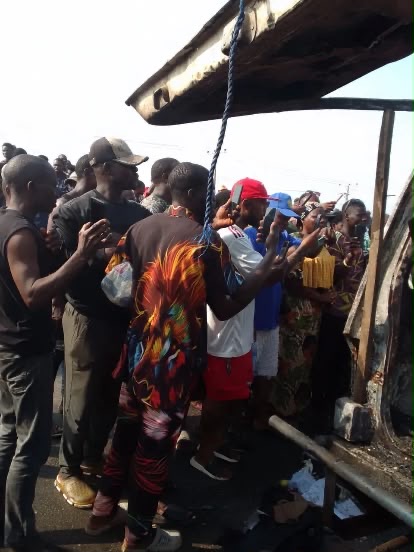
A routine commercial journey turned into a horrific nightmare along the Lagos–Badagry Expressway as six passengers were burnt to death after an 18-seater bus was engulfed by flames, leaving 12 others with varying degrees of burns.

In a desperate struggle for survival, some passengers reportedly scrambled to escape through the windows as the fire rapidly consumed the vehicle. But for six occupants trapped at the rear, there was no escape. They were burnt beyond recognition in the devastating inferno.

The tragedy occurred around Magbon in Badagry on Wednesday, November 25, with most of the passengers reportedly traders travelling to markets in Badagry and Cotonou.

What began as an ordinary journey ended in unimaginable horror as the bus suddenly burst into flames, turning the vehicle into a death trap for those unable to find a way out.

The six fatalities comprised four men and two women, all adults, according to the Lagos State Fire and Rescue Service.

The agency’s Controller-General, Margaret Adeseye, said firefighters received a distress call at 8:44am and arrived at the scene at 9:13am.

She disclosed that preliminary investigations suggested the driver had an additional five litres of petrol stored inside the vehicle, which investigators suspected may have contributed to the intensity of the fire.

The 12 survivors who sustained burns were rescued and taken to Badagry General Hospital for medical treatment.

Adeseye further disclosed that firefighters faced hostility from some angry bystanders when they arrived at the scene. Despite the confrontation, the emergency responders eventually carried out rescue operations and brought the fire under control.

Continue Reading

Uncategorized

NESI Week Shifts Abuja Power Sector Gathering to December

Published

on

By Ifunanya Stephanie

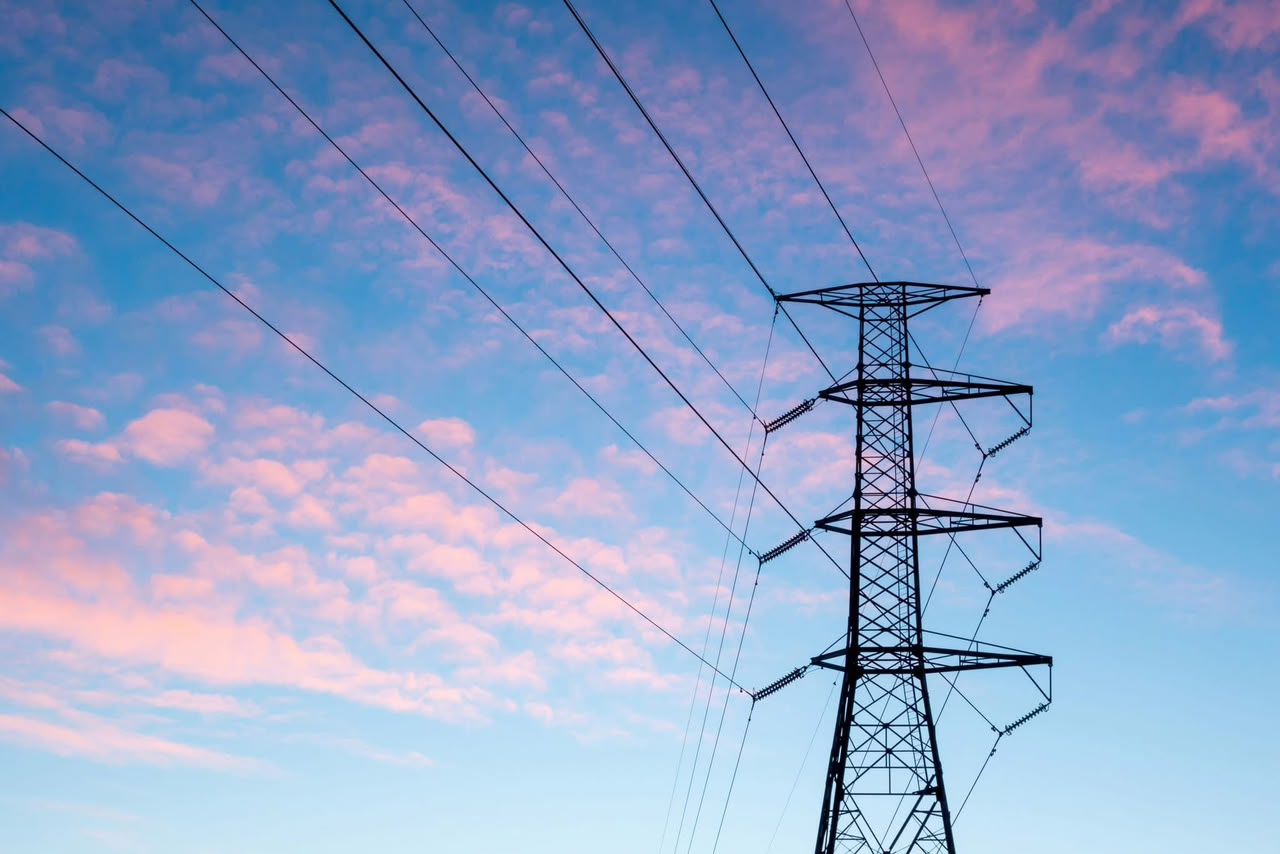
The inaugural Nigeria Electricity Supply Industry (NESI) Week has been postponed from November to December, with the organisers listing December 13–20, 2026, as the new dates for the Abuja gathering.

The event, scheduled to hold at the Velodrome, National Stadium, Abuja, is expected to bring together government officials, electricity regulators, utility companies, investors, technology providers and other stakeholders across the power sector.

The convener, Dr Obiora Anthony, announced the postponement in a statement, saying the adjustment would allow the Federal Ministry of Power, investors and other industry stakeholders to align the programme with ongoing electricity-sector reforms.

NESI Week was initially scheduled for November 15–22, 2026.

However, reports published by THISDAY and Punch on October 29 and 30 respectively gave the revised dates as December 13–19.

The event’s official website currently displays December 13–20, creating a one-day difference between the organiser’s online schedule and the dates contained in the postponement announcement.

The organisers are yet to publicly clarify the discrepancy, making it necessary for exhibitors, sponsors and delegates to confirm the final closing date before making non-refundable travel and accommodation arrangements.

With the theme, Powering the Future, the inaugural gathering is designed to provide a platform for policy discussions, investment opportunities, business networking and technological innovation across Nigeria’s electricity value chain.

The programme is expected to feature a CEO and Policy Forum, NESI Expo, Innovation Challenge, Future Energy Experience, Innovation Arena, industry games and awards.

According to the organisers, the gathering will connect stakeholders across electricity generation, transmission, distribution and related energy services.

The event’s published speaker list includes representatives of the Rural Electrification Agency, Eko Electricity Distribution Company, Ikeja Electric, Sustainable Energy for All and Arnergy Solar.

The postponement gives participating organisations additional time to prepare exhibitions, technology demonstrations, investment proposals and business engagements ahead of the December gathering.

NESI Week is organised by NESI Platform Limited.

Continue Reading

Uncategorized

7 Everyday Habits That Can Help Protect You and Your Family

Published

on

By Queensly Felix

Food is part of our everyday lives, but how often do we think about the safety of what we eat?

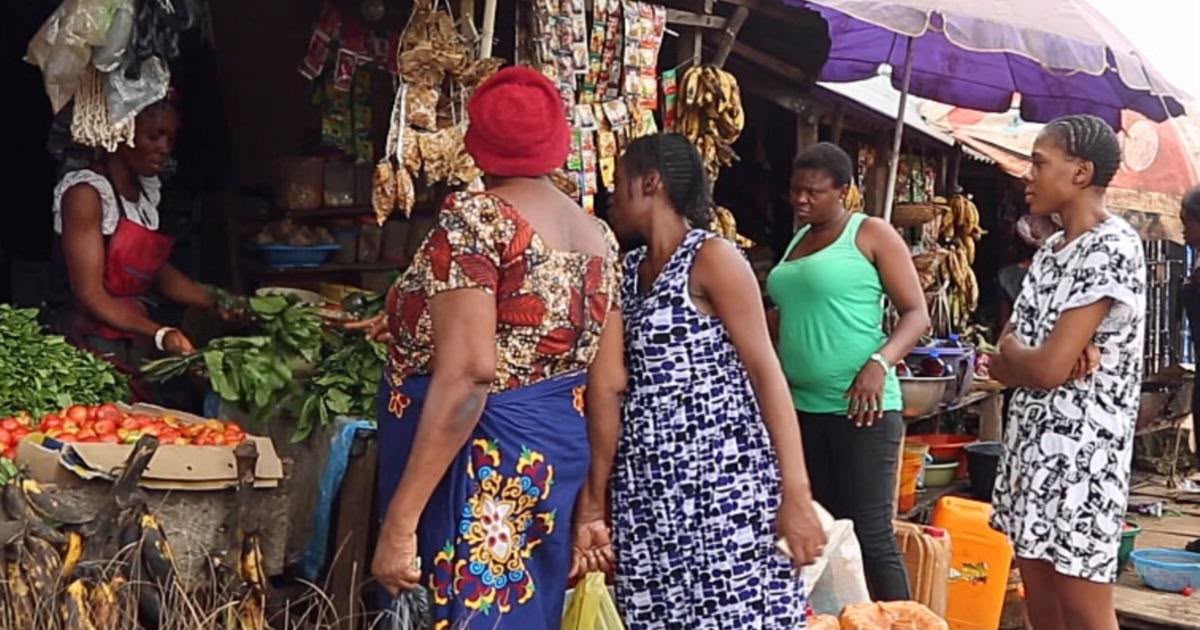
From buying vegetables at the market to preparing meals in the kitchen, several everyday habits can affect the quality and safety of our food. Poor food handling, contaminated ingredients and improper storage can expose people to foodborne illnesses.

The issue has received renewed attention in Nigeria. On November 11, 2026, The Guardian reported that the Federal Government had unveiled an action plan to tackle food contamination and harmful food-processing practices. The announcement highlighted concerns about unsafe food preparation, preservation and adulteration.

While government regulation plays an important role, consumers also have a responsibility to practise safe food handling at home.


7 Habits That Can Help You Eat More Safely


1. Wash your hands before handling food

Always wash your hands with soap and clean running water before preparing meals, after using the toilet and after handling raw meat, fish or poultry. Clean hands reduce the chances of transferring harmful germs to food.

2. Wash fruits and vegetables properly

Rinse fruits and vegetables under clean running water before eating or cutting them. Pay attention to items you intend to eat raw. Do not use detergents, bleach or household cleaning products to wash food.

3. Keep raw and cooked food separate

Raw meat, fish and poultry can carry germs that spread to other foods. Use separate chopping boards and utensils where possible. Never place cooked food on a plate that previously held raw meat without washing it properly.

4. Cook food thoroughly

Make sure meat, fish, poultry and other foods receive enough heat during cooking. Do not assume that food is safe simply because the outside looks cooked. Cut into thick portions to check that the inside has cooked properly.

5. Store leftovers correctly

Do not leave cooked food sitting at room temperature for long periods. Refrigerate leftovers promptly and reheat them thoroughly before eating. If food has an unusual smell, appearance or texture, do not taste it to determine whether it is safe.

6. Pay attention to food packaging and sellers

Buy food from sellers who maintain clean surroundings and handle products properly. Check packaging for damage, expiry dates and storage instructions. Avoid products with broken seals or signs of poor storage.

7. Be careful with artificially treated food

Avoid fruits that appear suspiciously ripened or food products with unusual colours and smells. The government has specifically raised concerns about dangerous practices such as using chemicals to ripen fruits and treating beans with pesticides not approved for that purpose.

Do not attempt to remove suspected chemical contamination by washing or cooking. Avoid the product and report serious concerns to the appropriate food safety authorities.


Why Food Safety Matters

Food safety is not only the responsibility of government agencies, food manufacturers or restaurant owners. It begins with everyday decisions made by individuals and families.

A clean kitchen, properly stored leftovers and careful food purchasing can reduce avoidable risks. These habits also help families develop a healthier relationship with food.

As Nigeria strengthens efforts to address food contamination, consumers need reliable information and better awareness of what they buy and eat.

The next time you visit the market or prepare a meal, pay attention to how you handle your food. A few careful decisions can make a difference to your household’s wellbeing.

What food safety habit do you think many Nigerian households overlook? Share your thoughts in the comments.

Continue Reading

Trending

extrabetseo ajansıseo ajansıpasha royalgiftcardmall/mygiftjustin tvcasibomGrandpashabetpasharoyalpasha royaljojobettaraftarium24taraftarium24rojadirectajustin tvbetgarantiBetgarantipusulabetpusulabetpusulabetdinamobetdinamobetdinamobetMatbetMatbetGrandpashabetGrandpashabetGrandpashabetjojobetcasibombetciocasibomcratosroyalbetgrandpashabetWbahiswbahisCratosroyalbetcratosroyalbetWbahisWbahisJojobetMatbetMatbetJojobetsahabetsekabetjojobetonwinmatbetimajbetmarsbahisholiganbetcasibomjojobetgrandpashabetmarsbahisholiganbetBetgarantidinamobetJojobetjojobetmarsbahisDinamobetBets10grandpashabetGrandpashabetjojobetjojobetjojobetjojobetjojobetJojobetmrkingcratosroyalbetmatadorbetWbahisdinamobetİzmir Korsan Taksi