By Oso Abidemi
Determined to stamp out malaria, major health organizations stormed the University of Lagos with a sweeping campaign of education, free testing, and drug distribution.
Themed “Malaria Ends with Us: Reinvest, Reimagine, Reignite,” the outreach united Green Life Pharmaceuticals, Green Life Hospital, Seagreen Pharmaceutical, and Clearline HMO in a powerful push to fight the disease that continues to ravage communities across Nigeria.
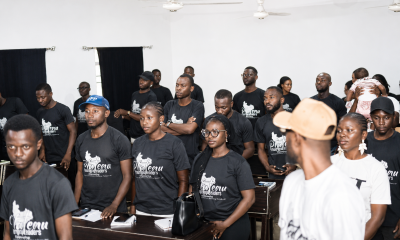
Hundreds of students and residents turned up for free malaria tests, prevention kits, and vital health education. Organizers stressed the urgent need for community action, with a special focus on empowering young people to drive change.
Peter Nwosu, Executive Director of Green Life Pharmaceuticals, described the campaign as more than a symbolic gesture.
“We are here not just to mark a day but to make a real difference,” he declared, calling for sustained efforts against the deadly scourge.
Speaking for Clearline HMO, Dr. Oghenerukevwe Peretomode warned that climate change is fueling malaria through flooding and rising temperatures.
She called for stronger government support, innovation, and personal responsibility, urging Nigerians to use treated nets and maintain clean surroundings.
Chris Ikeagu, General Manager of Green Life Hospital, said the choice of UNILAG was deliberate.
“Youth are the key to this battle. They will take the message home,” he said, stressing that early detection and treatment remain vital weapons in the fight.
The event stood as a fresh rallying call for Nigerians to take the malaria fight personally, seriously, and urgently.