Connect with us

Abuja Reports

FCTA Ramps Up Fight Against Gender-Based Violence Across 6 Area Councils

Published

on

FCTA Ramps Up Fight Against Gender-Based Violence Across 6 Area Councils

In response to the rising cases of gender-based violence (GBV) in Nigeria’s capital, the Federal Capital Territory Administration (FCTA) has launched an intensified campaign across the six area councils aimed at curbing the menace and protecting vulnerable groups. The campaign seeks to raise awareness and drive grassroots interventions to address the disturbing trend of violence, particularly against women and marginalized communities in the Federal Capital Territory (FCT).

Speaking at a sensitization workshop for desk officers in Bwari and the Abuja Municipal Area Council (AMAC), FCT Minister of State, Dr. Mariya Mahmoud, highlighted the importance of tackling GBV as a critical step towards building a more just and equitable society. Mahmoud, represented by the Special Assistant and Focal Person on Social Investment Programme, Hajia Maijidda Adamu Kuku, emphasized that the increasing prevalence of gender-based violence in the FCT demands urgent and decisive action.

During her address, Dr. Mahmoud expressed concern over the impact of gender-based violence on individuals and society as a whole, stressing that the issue has both immediate and long-term consequences for survivors. “Gender-based violence remains one of the critical issues affecting millions of individuals, especially women and marginalized communities,” she stated, pointing out the physical, psychological, and emotional damage inflicted on survivors.

She called for an intensification of campaigns across the FCT to combat various forms of GBV, including domestic violence, sexual assault, and harassment. “The psychological, physical, and emotional impact of GBV can be devastating, leading to long-term health consequences and perpetuating cycles of violence,” Mahmoud noted, adding that raising awareness through aggressive campaigns is key to breaking these cycles.

Mahmoud reiterated the importance of community participation in efforts to combat GBV, stressing that prevention requires challenging harmful societal norms and stereotypes that condone violence. “Education and outreach efforts are essential to challenge societal norms and stereotypes that condone violence,” she said. “Mobilizing communities, as we are doing today, can create safer environments and foster collective responsibility.”

The minister called on participants to intensify their advocacy efforts within the 62 political wards in the FCT, aiming to change harmful behaviors through education and awareness. “We must ensure that our campaigns reach all corners of the FCT, particularly at the grassroots level, to drive lasting change,” she said.

Celina Agana, Gender Officer at the FCT Social Safety Nets Coordinating Unit, echoed Mahmoud’s call for sustained campaigns, emphasizing the need for culturally sensitive approaches. Agana highlighted that advocacy efforts must be tailored to the unique needs of different communities within the FCT to be effective.

“The campaigns must be culturally sensitive and tailored to different communities,” she said, stressing the importance of using local languages and Pidgin English to ensure the message resonates with all segments of society. “Understanding local contexts and engaging community leaders can enhance the effectiveness of the campaign and encourage greater community participation,” Agana added.

Agana also pointed out the role of the FCT’s cash transfer program in supporting these efforts. The program has helped many communities engage more actively in social interventions, contributing to poverty reduction and addressing some of the root causes of GBV.

The FCTA’s approach to curbing GBV involves a multi-stakeholder collaboration, bringing together government agencies, civil society organizations, and community leaders. Mahmoud reiterated the administration’s commitment to expanding access to essential services for survivors, including healthcare, legal aid, and psychosocial support. “No one should suffer in silence,” Mahmoud said, urging survivors to come forward and access the resources available to them.

The sensitization workshops held in Bwari and AMAC mark the beginning of a wider campaign that will be rolled out across all area councils in the FCT. These workshops aim to equip desk officers with the skills and tools they need to lead local advocacy efforts, ensuring that communities are well-informed and actively engaged in the fight against GBV.

The FCTA’s intensified campaign against GBV in the FCT is part of a broader national movement to tackle gender-based violence across Nigeria. With alarming statistics showing a rise in domestic violence, rape, and other forms of GBV, there has been increased pressure on both state and federal governments to take action.

Human rights organizations and gender activists have praised the FCTA’s efforts but stress that more needs to be done nationwide. They have called for stronger enforcement of laws such as the Violence Against Persons Prohibition (VAPP) Act and greater investments in shelters, counseling services, and legal support for survivors.

While the campaign in the FCT is a step in the right direction, experts agree that a nationwide strategy, driven by political will and collaboration between government bodies and civil society, is essential for achieving long-term success in the fight against GBV.

As the FCTA continues to roll out its campaign, all eyes will be on how effectively the administration can mobilize communities and sustain momentum. The success of the initiative in the FCT could serve as a model for other states looking to combat gender-based violence and protect vulnerable populations.

The fight against GBV, according to Mahmoud, is not one that can be won overnight, but with persistent effort, community involvement, and political will, a future free of violence and discrimination is achievable. “We owe it to the women, girls, and marginalized groups of our society to continue this fight until GBV is no longer a threat to their safety and well-being,” she concluded.

Abuja Reports

Abuja Welcomes Six-Day Celebration of African Jazz

Published

on

By Queensly Felix

Abuja is hosting a six-day celebration of African music and culture as the Abuja International Afrojazz Festival gets underway, offering residents an alternative entertainment experience beyond the city’s conventional club and lounge scene.

The festival, running from November 16 to 21, 2026, brings together African and international musicians, music professionals, promoters and enthusiasts for a programme featuring live performances, masterclasses, industry discussions and networking opportunities.

According to the organisers, the festival is designed to create a meeting point for African musical traditions and jazz, while encouraging cultural exchange and professional collaboration within the music industry.

The programme, which began on Monday, November 16, includes workshops and hands-on masterclasses running until November 20, led by international facilitators.

The professional music market is scheduled for November 19 and 20 at SV Chrome Hotel, Jabi. It will feature panel discussions, music industry clinics, a town hall session and business-to-business meetings connecting African and European music professionals.

Two showcase concerts are also scheduled for November 19 and 20 at The Nordic Hotel, Jabi, providing selected artistes with an opportunity to perform before festival directors, promoters, music executives, the press and the public.

The festival will climax with its main concert on Saturday, November 21, at 6pm at BALI City Park, Wuse 2, Abuja.

Among the artistes listed for the main concert are Nigerian performers Cobhams Asuquo, The Salako and Jessica Bongos, alongside Gustavo Cerqueiras from Spain and Adedeji from Greece. A collaborative performance featuring Papyrus, PéPé Oleka and Pearl Rocker, representing Togo, Benin and Nigeria, is also scheduled.

Beyond its entertainment value, the festival offers opportunities for musicians and other creative professionals to discuss music business development, intellectual property, funding, streaming, touring and international collaborations.

For Abuja residents, the event provides another option for experiencing live music and cultural entertainment, while giving emerging and established African artistes a platform to connect with wider audiences.

Tickets for the main concert are listed at ₦15,000, excluding 7.5 per cent VAT, with access also covering the two showcase concerts.

As the festival continues throughout the week, organisers are inviting music lovers, creatives and industry stakeholders to participate in the activities and experience the diversity of African jazz.


Event: Abuja International Afrojazz Festival 2026

Dates: November 16–21, 2026

Main concert: Saturday, November 21, at 6pm

Venue: BALI City Park, Wuse 2, Abuja

Official website: www.afrojazzfestivalnigeria.com

Continue Reading

Abuja Reports

Gwagwalada Market Fire Affects 45 Traders, Destroys 30 Shops

Published

on

By Ifunanya Stephanie

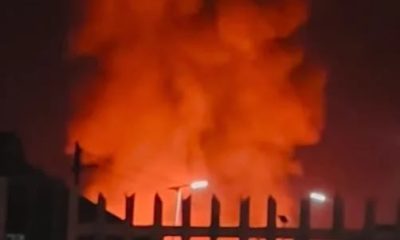
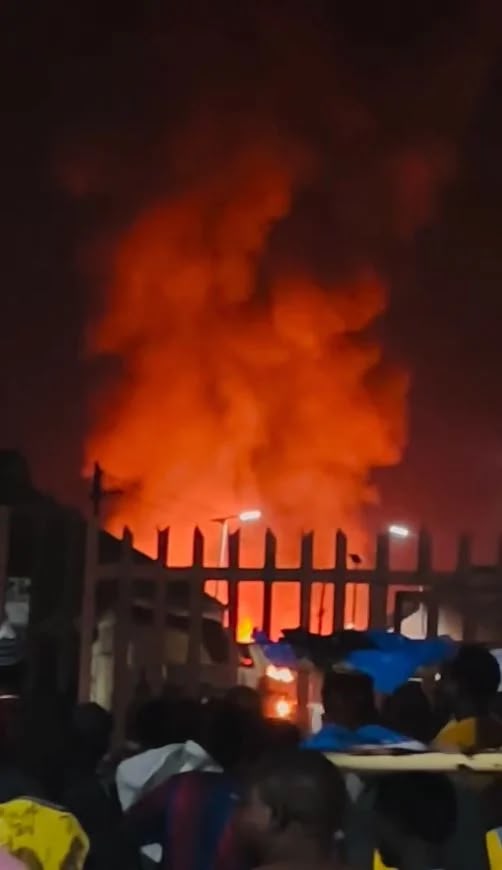
A fire outbreak at the Gwagwalada International Market in the Federal Capital Territory has affected about 45 traders, destroying 28 open stalls and two lock-up shops.

The incident occurred at about 7pm on Saturday, November 14, leaving several traders counting their losses after goods stored in the affected shops and stalls were destroyed.

The FCT Emergency Management Department (FEMD) confirmed the figures following a post-disaster assessment conducted by its Director, Muhammad Dikko, alongside officials of the National Emergency Management Agency (NEMA).

During the assessment, the Chairman of the Market Association, Aminu Lawal Bakinruwa, told the delegation that security personnel noticed smoke coming from one of the shops at about 8pm, approximately 20 minutes after electricity supply was restored by the Abuja Electricity Distribution Company (AEDC).

However, the cause of the fire has not been officially established. While the timing of the incident has raised questions about a possible electrical connection, the circumstances remain under investigation.

The fire destroyed various goods, including yams, tomatoes, peppers, clothing, herbal medicines and beverages. One of the affected traders, Salome Israel, disclosed that she lost goods estimated at ₦400,000, including food items.

Speaking during the assessment, Dikko urged traders to prioritise fire safety by switching off electrical appliances before leaving their shops. He also encouraged business owners to obtain insurance coverage to help protect their investments against unexpected disasters.

He further called for adequate firefighting equipment at the market to ensure a faster response to emergencies, while appealing to the Market Board of Trustees and traders’ union leadership to explore ways of supporting those affected.

Meanwhile, NEMA representative, Mariam Dantanko, explained that the agency’s disaster response assistance is primarily provided through relief materials rather than direct cash payments.

She noted that possible assistance, which may include food and building materials, would depend on the outcome of the needs assessment and approval by the agency’s headquarters.

FEMD’s Relief and Rehabilitation Division also participated in the assessment to identify the immediate needs of the affected traders.

The incident has renewed concerns about fire prevention and emergency preparedness in public markets, particularly the need for regular inspection of electrical installations, functional firefighting equipment and stronger safety practices.

Continue Reading

Abuja Reports

Dutse-Bwari Road Turns Deadly Again as Residents Demand Action

Published

on

By Patrick Idowu

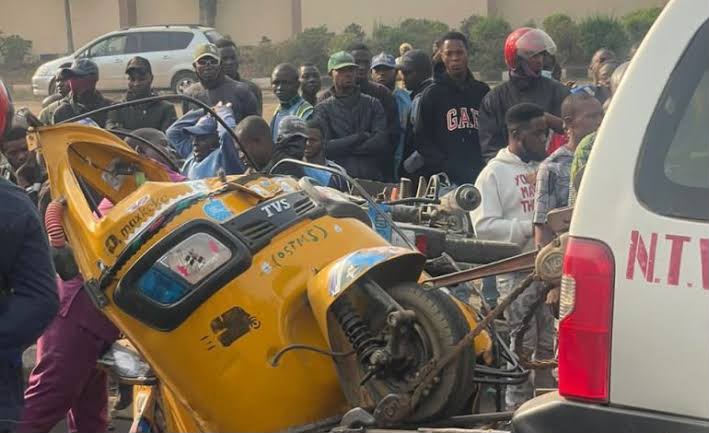
Recurrent road accidents along the Dutse-Bwari Highway have renewed concerns over road safety in the Federal Capital Territory (FCT), following another fatal multiple-vehicle collision at Tipper Garage Junction that reportedly killed four people and injured seven others.

The latest accident occurred at about 5 p.m. on Sunday, November 15, 2026, in Baupma community, involving three heavy-duty trucks, two cars and commercial tricycles.

According to eyewitness accounts, one of the trucks, reportedly descending from the Usuma Dam hill, lost control and rammed into two other trucks at the junction. The impact sent one of the vehicles crashing into the premises of a nearby Shafa filling station, where it struck parked vehicles.

An eyewitness, Anas Muazu, an employee of the Bwari Area Council Revenue Department, said the collision affected several road users and people around the junction.

The incident also raised concerns over the safety of motorists, commercial transport operators, pedestrians and businesses operating around the busy intersection.

Initial reports put the number of people affected at about 18, although subsequent casualty figures were different. A report published by Daily Trust on Tuesday, November 17, put the death toll at four, with seven others injured.

The victims were reportedly taken to Kubwa General Hospital for medical attention, with some requiring further treatment for severe injuries.

A Junction Haunted by Recurring Accidents

Beyond the latest tragedy, residents say Tipper Garage Junction has become a recurring accident hotspot, particularly for vehicles descending from the Usuma Dam and Bwari axes.

Comrade Ose Idasho, a member of the mining workers’ union at a nearby quarry, said accidents occur almost every week at the junction, with heavy-duty vehicles frequently involved.

The latest crash is not the first major tragedy recorded along the corridor this year. In February 2026, a truck reportedly lost control near Tipper Garage Junction, killing its assistant driver and hitting two other vehicles. Another fatal crash was reported at the junction in April 2025, when a trailer reportedly lost control and killed three people.

These incidents have intensified calls for urgent interventions to prevent further loss of lives along the highway.

Residents Appeal to FCT Minister

Following the latest accident, residents have renewed demands for the construction of a flyover at Tipper Garage Junction, alongside other measures to address the recurring crashes.

Idasho appealed to the FCT Minister, Nyesom Wike, to visit the community, engage directly with residents and initiate practical solutions to the persistent safety concerns.

Residents are particularly concerned about the risks posed by heavy-duty vehicles navigating the descending route and the danger to people waiting for commercial transport or conducting business around the junction.

With repeated crashes continuing to raise alarm, residents say the situation requires more than temporary emergency responses, urging the FCT Administration and relevant road safety authorities to prioritise lasting interventions before another tragedy occurs.

Continue Reading

Trending

taraftarium24Maslak EscortMaslak Escortmarsbahistaraftarium24deneme bonusudeneme bonusudizipaldizipaljustin tvjustin tvjustin tvjustin tvtaraftarium24justin tvdeneme bonusu veren sitelerdizipaljustin tvmarsbahisggrandpashabettGrandpashabet GirişGrandpashabet TwitterGrandpashabet Girişjustin tvtrlisans pinterestgiftcardmall/mygiftdinamobetgrandpashabet girişgrandpashabetdinamobetGrandpashabettaraftarium24dizipalgiftcardmall/mygiftjustin tvGrandpashabetGrandpashabetGrandpashabetGrandpashabetGrandpashabetmarsbahissuperbetintaraftarium24taraftarium24rojadirectajustin tvbahiscasino1winbetgitromabetgameofbetradissonbetmercurecasinocratosroyalbetjojobetibizabet1winmercurecasinocasibomdeneme bonusu veren sitelergüvenilir bahis sitelerijojobet güncel girişjojobetjojobet girişjojobetamgbahismercurecasinobetplaycasinomilyoncasinoroyalpalacebetamgbahiscasibomjojobetjojobetcasinolevantcasinolevantdeneme bonusu veren sitelermatbetsekabetpusulabetvdcasinomarsbahisholiganbetmatbetimajbetholiganbetmarsbahisteosbetjojobetgrandpashabetjojobetmersobahisbetciosuperbetinsahabetgrandpashabet