By Lawal Adenike
Nigeria’s healthcare system is facing a dire crisis, with medical tourism siphoning off between N1-2 billion annually, according to health experts. This alarming trend is not only weakening the nation’s economy but also posing a severe threat to the already struggling healthcare infrastructure. The consequences of this steady outflow of both patients and financial resources are mounting, demanding immediate attention from both the public and private sectors.
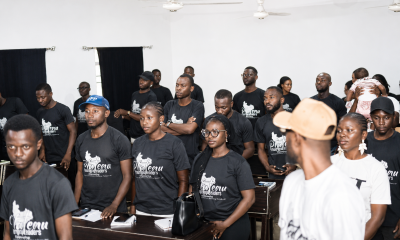
In a bold move to address the issue, the Nigerian Medical Association (NMA) launched its inaugural Healthcare and Medical Expo on Thursday in Ikeja, Lagos. The event is designed to provide practical solutions to curb medical tourism and strengthen the domestic health system. NMA President, Prof. Bala Audu, stressed the urgency of reversing this trend, stating, “We want Nigerians to seek medical care within the country and attract international patients to Nigeria for treatment. Our healthcare system can only thrive if it can serve both local and foreign patients efficiently.”
Dr. Benjamin Olowojebutu, NMA’s First Vice President and Chairman of the expo’s Local Organising Committee, was a driving force behind the event. He underscored the expo’s goals, which include boosting sustainability, efficiency, and innovation in Nigeria’s private healthcare sector. The expo has drawn attention to the need for collaborative efforts to elevate Nigeria’s healthcare industry to global standards.
Lagos State Commissioner for Health, Prof. Akin Abayomi, spoke on the critical role of government intervention in fostering an environment that attracts private investment. “No one wants to invest in an unprofitable sector,” he remarked. “We must ensure that doctors are recognized for their expertise and receive appropriate compensation for their work.” His statement underlined the importance of financial incentives and recognition in preventing the further exodus of skilled medical personnel.
Prof. Abayomi also touched on the structural challenges within the state, revealing a staggering 60,000-bed space deficit in Lagos. “This is a critical challenge we must address,” he noted. The Lagos State government plans to collaborate with private healthcare facilities to bridge this gap, aiming to make the state an attractive hub for health sector investment.
The issue of compensation for doctors remains a sensitive topic, as the NMA raised concerns over delays in salary increments for medical professionals. The ongoing brain drain, fueled by low wages and poor working conditions, threatens to worsen if the situation is not addressed. Prof. Abayomi, representing the Lagos State Governor at the event, acknowledged that the healthcare system must align with international standards to retain and attract skilled professionals. He lauded the NMA’s efforts in advancing the welfare of doctors and ensuring quality healthcare delivery.
The expo also served as a platform for exploring innovative strategies to enhance Nigeria’s healthcare infrastructure. Experts emphasized the urgent need for the government and private sector to collaborate on initiatives that would not only halt medical tourism but also boost local healthcare capacity. By improving facilities, providing competitive salaries, and attracting investment, Nigeria can position itself as a destination for medical tourism rather than a contributor to it.
Furthermore, experts warn that Nigeria’s broader economic growth is inextricably linked to the health sector’s development. The ongoing outflow of specialized doctors, as well as patients seeking treatment abroad, continues to weaken the economy. By addressing these issues head-on, the country stands to gain not only in terms of healthcare improvements but also in economic stability.
With the healthcare system at a crossroads, the stakes are high. As Prof. Audu aptly put it, “Nigeria’s future in healthcare is hanging in the balance.” The NMA, alongside government officials, stressed that the current healthcare crisis must be met with urgency and resolve. Delays in action will only deepen the economic and health-related impacts that Nigeria is already experiencing.
Ultimately, the success of Nigeria’s healthcare reforms will depend on a united front between government agencies and the private sector. Both parties must work hand-in-hand to address the systemic issues that fuel medical tourism. The long-term sustainability of Nigeria’s health sector—and the nation’s economic prosperity—depend on it. The choices made today will determine the future of healthcare in the country, making this a pivotal moment in Nigeria’s medical and economic landscape.