Connect with us

News

IPOB Alleges Existence of Secret Detention Centres for Biafra Activists

Published

on

The Indigenous People of Biafra (IPOB) has raised alarm over the existence of alleged secret detention centres where Nigerian security forces are reportedly detaining Biafra activists incommunicado. According to the group, these facilities are sites of gross human rights abuses, including torture, organ trafficking, and forced disappearances.

In a statement issued by IPOB’s Media and Publicity Secretary, Emma Powerful, the group expressed deep concern over the treatment of innocent individuals, particularly Biafra activists, within these centres. IPOB claimed that its revelation was aimed at alerting the public to these inhumane practices and urging immediate attention to the plight of detainees.

The group listed several military and police detention facilities where they allege Biafra activists are being held without due process. These include:

Wawa Military Base, Niger State
Kanji Dam Detention Centre
DSS Headquarters, Abuja
Intelligence Response Team (IRT) Abattoir, Abuja
Tiger Base Police Detention, Owerri, Imo State
Goodluck Jonathan Army Barracks, Ohafia, Abia State
Zone 9 Umuahia, Abia State Detention Centre
Zone 13 Ukpo, Anambra State
Onitsha Army Barracks, Anambra State
Navy Base, Ogbaru, Anambra State
SARS Awkuzu, Ukpo, Anambra State
82 Division Military Barracks, Enugu State
Obinze Army Barracks, Owerri, Imo State
Central Police Station, Umuahia, Abia State
State CID Headquarters, Awka, Anambra State
Naval Base Asaba, Delta State
Enugu Maximum Prison, Enugu State
Port Harcourt Maximum Prison, Rivers State
Aba Prison, Abia State
Abakaliki Prisons, Ebonyi State
Uyo Prisons, Akwa Ibom State
Owerri Prisons, Imo State
Kuje Prisons, Abuja
Keffi Prison
Suleja Prison, Niger State
Nigerian Military Intelligence Detention Facility, Abuja
IPOB also urged families of missing individuals to investigate whether their loved ones might be held at these facilities. “If your relative is missing, these illegal detention centres are the places to search for them,” the group stated. They warned that many detainees might have been subjected to torture or even killed for organ trafficking by Nigerian security agencies.

The group further accused the Nigerian government of ethnic profiling, claiming that Igbo people have been disproportionately targeted and detained on false accusations of being members of IPOB or the Eastern Security Network (ESN). “Ndigbo are the highest ethnic group being detained under accusations of either being IPOB or ESN members or falsely framed as kidnappers,” IPOB alleged.

The statement went on to say that innocent individuals from other ethnic groups were also being unlawfully detained across these centres. However, IPOB emphasized that Ndigbo are being hunted and locked up in these illegal detention facilities due to ethnic profiling.

Recalling past incidents, IPOB highlighted the unresolved case of its members who were allegedly abducted by Nigerian security forces during a peaceful rally in support of former U.S. President Donald Trump in 2016. “Until today, some of the IPOB members abducted during the Trump inauguration rally in Port Harcourt (Igweocha), Rivers State, are still missing,” the group said. Despite eight years passing, IPOB continues to search for those men and women who disappeared during what the group described as a peaceful rally.

News

Patience Jonathan Breaks Silence on Chibok Controversy, Says Mockery Still Hurts

Published

on

By Patrick Idowu

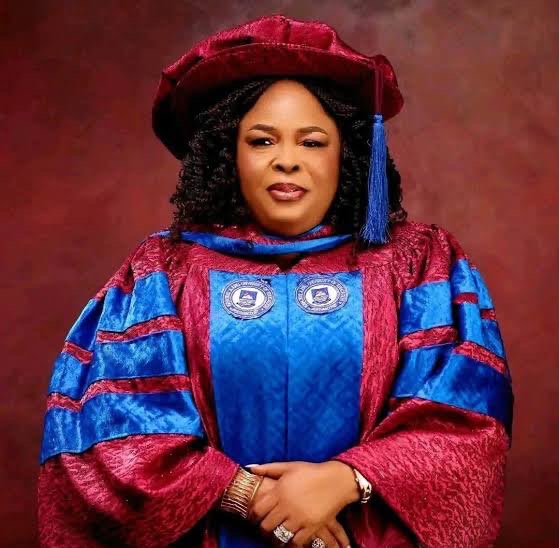
Former First Lady, Dame Patience Jonathan, has spoken afresh about the public backlash she suffered following her emotional reaction to the 2014 abduction of schoolgirls in Chibok, Borno State, insisting that the pain of the incident has never left her.

Jonathan said she was deeply wounded by the ridicule she faced from Nigerians after breaking down in tears over the disappearance of the schoolgirls, whom she considered her own children.

Speaking in an interview with the Nigerian Television Authority (NTA) on Saturday, the former First Lady said her emotional response was genuine and reflected the anguish she felt over the fate of the abducted girls.

Recalling the incident, she said the public reaction made an already painful experience even more difficult, adding that those who mocked her at the time are only beginning to appreciate the depth of her emotions.

“I remember 2014. I broke down. I am still feeling it as I talk to you. They are my children. But people started laughing and mocking me. I felt bad. People laughing at me have no empathy. It is today they are realising what happened to me at that time. It still pains me,” she said.

Her comments have reopened discussions about one of the most controversial episodes of her tenure as First Lady, when her emotional intervention during a meeting over the abduction attracted widespread criticism and public mockery.

The incident followed the abduction of 276 schoolgirls from Government Girls Secondary School, Chibok, by Boko Haram insurgents on April 14, 2014.

The mass kidnapping sparked global outrage and triggered the #BringBackOurGirls campaign, which attracted international attention and intensified calls for urgent action to rescue the girls.

More than a decade later, Jonathan says the experience remains an emotional burden, maintaining that her tears were an expression of genuine concern for the safety and future of the missing schoolgirls..

Continue Reading

Abuja Reports

Abuja Police Move to Prosecute Woman Over Alleged Suicide Attempt in Hotel

Published

on

By Patrick Idowu

The Federal Capital Territory (FCT) Police Command is considering legal action against a woman identified as Ms Jumoke following an alleged suicide attempt at a hotel in Jikwoyi, Abuja.

The woman was reportedly rescued by police operatives after she allegedly ingested a poisonous insecticide suspected to be Sniper inside her hotel room.

The incident occurred on November 26, 2026, after she checked into the hotel at about 12:30 p.m. She was later discovered gasping for breath by a visitor who had come to see her.

According to a statement issued by the command’s spokesperson, CSP Josephine Adeh, the Jikwoyi Police Division received information about the incident at approximately 2 p.m. and immediately deployed officers to the scene.

Preliminary investigations reportedly indicated that the woman had consumed the suspected poisonous substance, while an empty bottle of Sniper insecticide was recovered from the room.

She was subsequently rushed to a nearby hospital, where medical personnel confirmed the ingestion and commenced treatment.

The police said further investigations were ongoing, with the possibility of prosecution being considered in connection with the incident.

Continue Reading

News

Tinubu Seeks ₦3.1trn Budget Cut as ₦31.4trn Deficit Remains

Published

on

By Edisemi Andrew

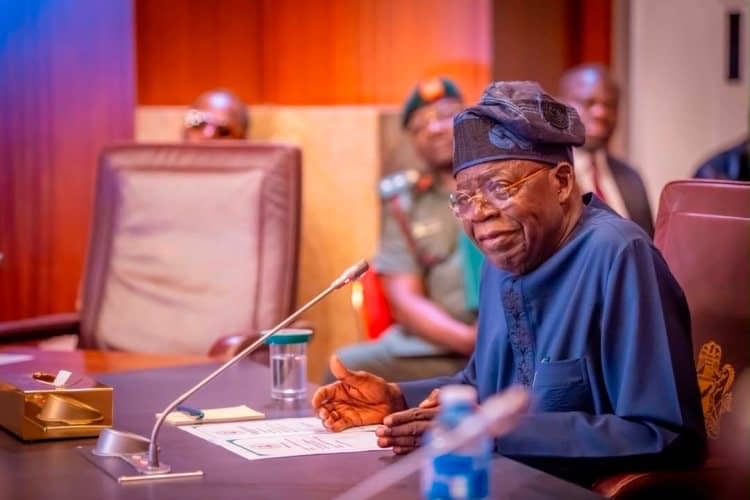
President Bola Tinubu has asked the National Assembly to approve a ₦3.147 trillion reduction in the 2026 Federal Government budget, proposing a downward revision of total expenditure from ₦68.323 trillion to ₦65.176 trillion.

The request, contained in a letter transmitted to the Senate and the House of Representatives, seeks legislative approval for a revised 2026 Appropriation Bill and an updated fiscal framework aimed at aligning government spending with available resources and existing financial obligations.

Under the revised proposal, projected government revenue, including receipts from government-owned enterprises, stands at ₦33.720 trillion, while capital expenditure is estimated at ₦26.232 trillion.

However, despite the proposed reduction in overall spending, the Federal Government’s projected fiscal deficit remains unchanged at ₦31.457 trillion, representing 5.64 per cent of the country’s Gross Domestic Product.

The proposed borrowing target has also been retained at ₦29.218 trillion, comprising ₦18.428 trillion in domestic borrowing and ₦10.790 trillion in external borrowing.

Explaining the rationale behind the adjustment, Tinubu said the revision was intended to prioritise existing government commitments, improve budget credibility, strengthen capital budget implementation and maintain fiscal discipline.

The President also explained that the proposed $7.7 billion external loan, estimated at approximately ₦10.368 trillion, would finance an existing foreign borrowing provision rather than increase the overall borrowing limit already captured in the fiscal framework.

The revised proposal reportedly makes provisions for outstanding obligations, debt-service requirements, capital warrants and commitments involving ministries, departments and agencies.

Some additional capital provisions have also been included for priority interventions, particularly critical road projects, agricultural production, improved market access and water security.

The proposal has been referred to the appropriate Senate committee for legislative consideration, with the National Assembly expected to scrutinise the revised estimates before reaching a decision.

The proposed adjustment raises important questions about the country’s fiscal position, particularly the decision to reduce total expenditure without a corresponding reduction in the projected deficit or borrowing requirement.

With projected revenue significantly below proposed expenditure, the government will continue to depend heavily on borrowing to finance its obligations and development programmes.

The retention of the deficit also raises questions about the extent to which the proposed spending reduction will ease pressure on public finances, especially considering the country’s existing debt-servicing commitments and competing development needs.

For Nigerians, the implications extend beyond the figures presented to lawmakers. Changes to capital expenditure could affect the pace of infrastructure delivery, federal projects and other public investments, making transparency around affected projects particularly important.

The National Assembly’s consideration of the revised framework will therefore be an important opportunity to examine the assumptions behind the government’s revenue projections, borrowing plans and expenditure priorities.

Ultimately, the effectiveness of the proposed review will depend on whether it improves budget implementation, reduces waste and ensures that public borrowing translates into measurable economic and social benefits.

The revised proposal now awaits legislative approval, as attention increasingly turns towards the Federal Government’s preparation and presentation of the 2027 national budget.

Continue Reading

Trending

extrabetseo ajansıseo ajansıpasha royalgiftcardmall/mygiftjustin tvGrandpashabetpasharoyalpasha royaljojobettaraftarium24taraftarium24rojadirectajustin tvbetgarantiBetgarantipusulabetpusulabetpusulabetdinamobetimajbetimajbetmarsbahismarsbahisholiganbetholiganbetvdcasinojojobetcasibombetciocasibomcratosroyalbetgrandpashabetpusulabetpusulabetonwinonwinpusulabetpusulabetvdcasinomarsbahismarsbahismatbetcasibomcasibomgrandpashabetonwinmatbetimajbetmarsbahisholiganbetcasibomjojobetgrandpashabetmarsbahisholiganbetjojobetjojobetimajbetvdcasinograndpashabetmarsbahisDinamobetBets10grandpashabetGrandpashabetjojobetjojobetjojobetjojobetjojobetmatbetmrkingradissonbetmatadorbetpusulabetimajbetİzmir Korsan Taksi