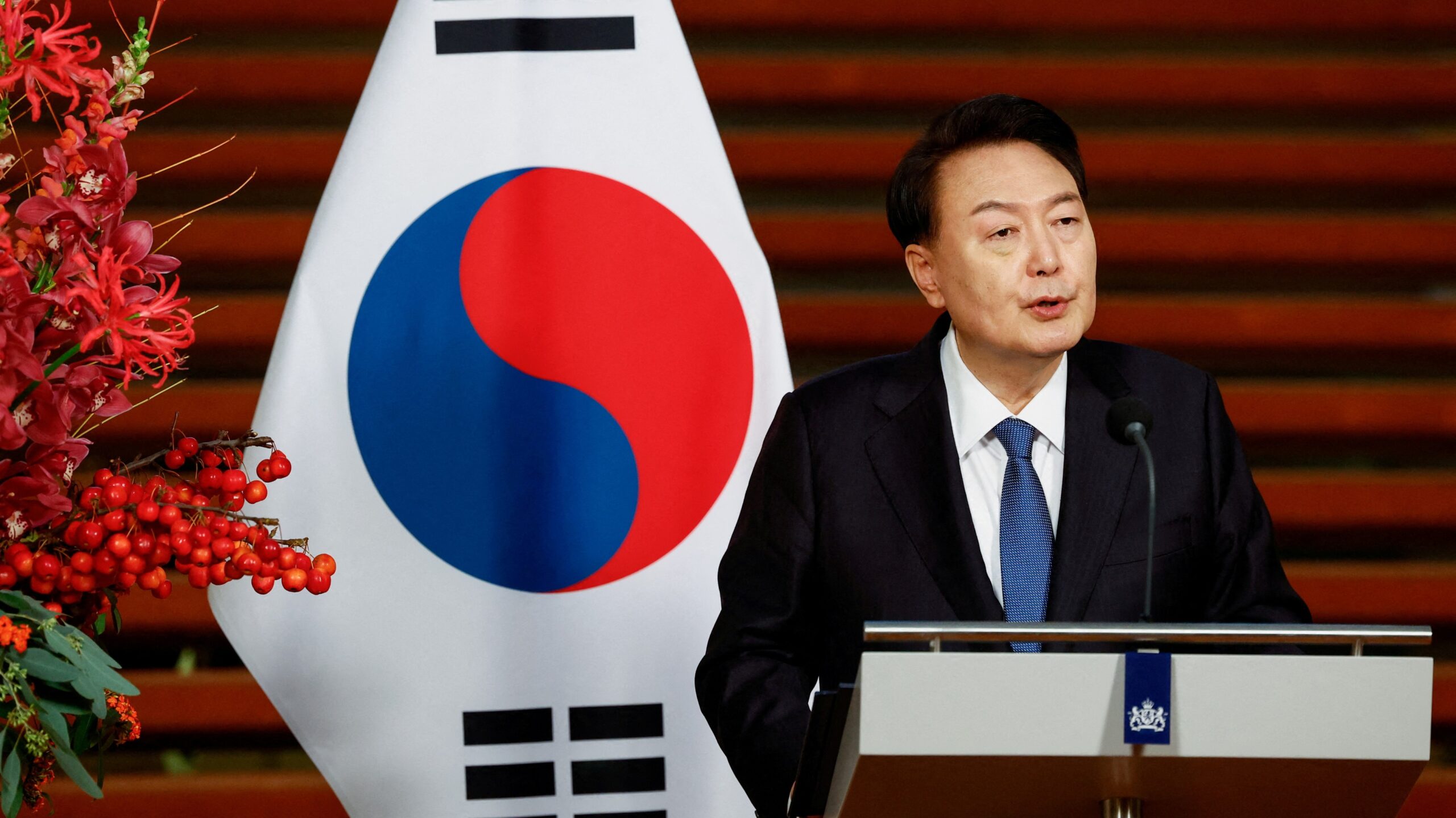
South Korea has announced a substantial support package worth 26 trillion won ($19 billion) aimed at bolstering the country’s crucial semiconductor industry, the presidential office revealed on Thursday. This initiative underscores the government’s commitment to reinforcing its position in the global chip market.
President Yoon Suk Yeol detailed the package, which includes a 17 trillion won financial support program through the state-run Korea Development Bank. This funding is designed to back large-scale investments by semiconductor companies, facilitating their growth and innovation.
In addition to this, a 1 trillion won fund will be established to support equipment manufacturers and fabless companies—firms that design chips but outsource their manufacturing. President Yoon has directed the industry ministry to devise innovative strategies to enhance South Korea’s competitiveness in the non-memory chip sector, further diversifying the nation’s semiconductor capabilities.
The announcement marks a significant increase from the government’s previous target. Earlier this month, Finance Minister Choi Sang-mok had indicated plans for support worth more than 10 trillion won. The updated package reflects the government’s intensified focus on the semiconductor sector, which accounted for 18% of South Korea’s total exports in April.
Despite its strengths, South Korea’s chip industry faces challenges. The country’s market share in the fabless sector, which includes giants like U.S.-based Nvidia, is about 1%. Moreover, South Korean chipmakers are striving to close the gap with leading contract chipmakers such as Taiwan’s TSMC.
South Korea, home to top memory chip manufacturers Samsung Electronics and SK Hynix, is actively developing a mega chip cluster in Yongin, south of Seoul. Promoted as the world’s largest high-tech chipmaking complex, this cluster aims to attract chip equipment makers and fabless companies, fostering a robust semiconductor ecosystem.
In January, President Yoon emphasized his commitment to the semiconductor “war,” pledging to marshal all possible resources to secure South Korea’s victory. He also announced plans to extend tax credits for investments in the domestic semiconductor industry to stimulate employment and draw in more talent.