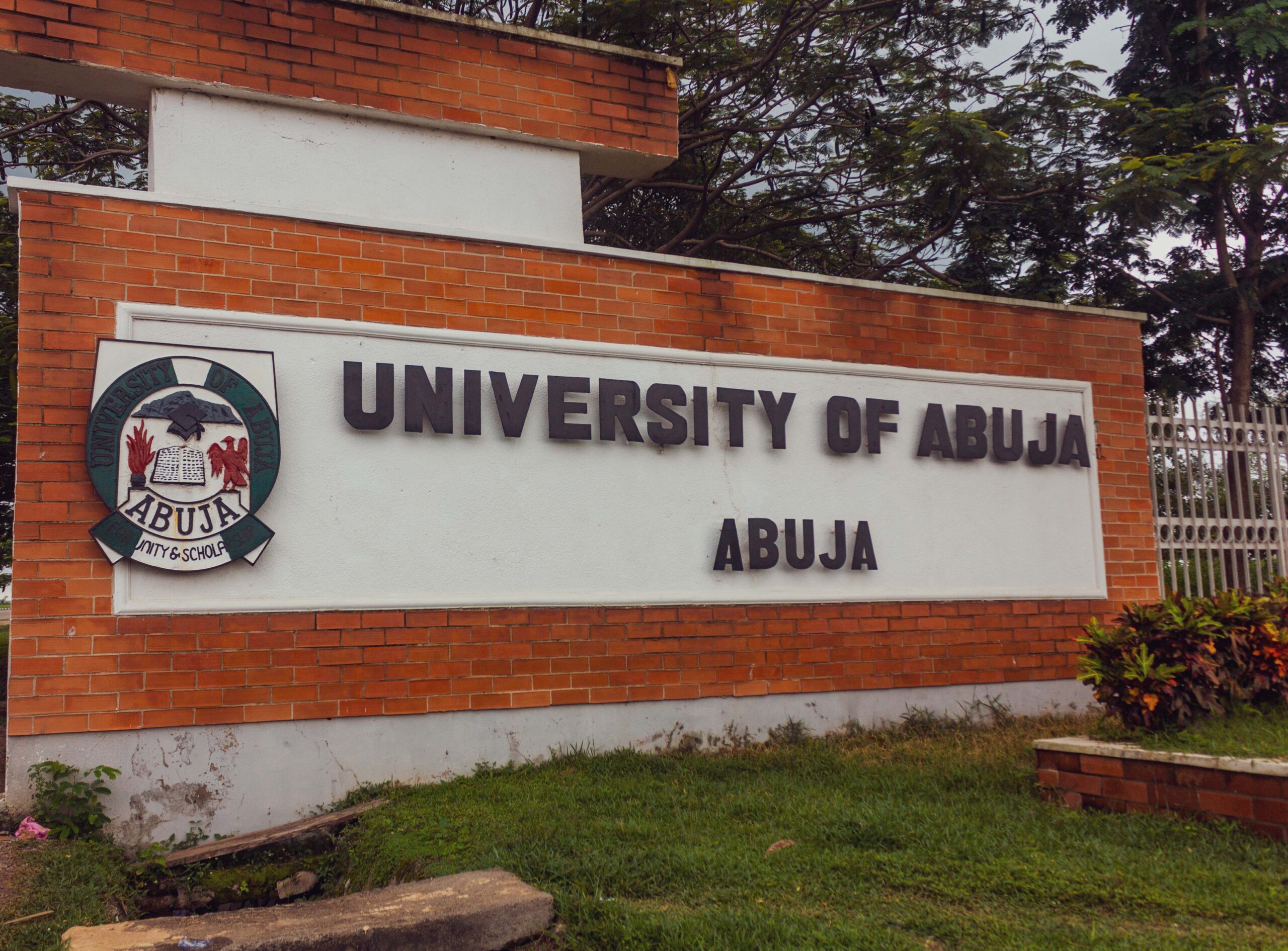
The recent spike in school fees has left students grappling with financial strain, decrying the lack of notice and tangible benefits from the increased tuition at the University of Abuja.
Mr. Akpan, a Ph.D. student, revealed the impact on his education, stating that his fees surged from N135,000 in his first year to N250,000, making it financially burdensome for many due to additional commitments like transportation and field operations.
Expressing frustration, a second-year agricultural student highlighted the unchanged conditions despite the fee increment. She lamented, “Despite the increase, we are not experiencing any tangible benefits. Our lab is bare, and there are no additional facilities. It’s disheartening to pay more without seeing improvements.”
Students across various disciplines echoed concerns about the abruptness of the fee hike, emphasizing the lack of prior notification. Many discovered the increased fees only when attempting to pay, with some learning about it through rumors. This lack of transparency has left students feeling blindsided and struggling to cope with the sudden financial burden.
Some students, responsible for funding their education, reported that the fee hike has led to classmates dropping out due to financial constraints. A 200-level medical student shared the shock experienced by peers in the initial stages of the increment, emphasizing the need for a balance between value and price. The student remarked, “If the value dictates the price and the price dictates the value, there shouldn’t be a problem. In this case, we are trying to figure out how to align the value with the increased price.”
The impact of the fee hike is severe, particularly for agricultural and medical students who now face almost 100 percent and over 100 percent increases, respectively. Agricultural students are now paying N126,000, up from N70,000, while medical students contend with fees exceeding 200,000naira compared to the previous N90,000.
Amidst the financial challenges, students are urging the administration to listen to their grievances, emphasizing the absence of salary increments and the overall economic hardships. The call for consideration and dialogue is resonating across campus as students seek a resolution that addresses both their financial constraints and the need for improved educational facilities. The students’ voices are growing louder, advocating for fairness and transparency in the administration’s decisions affecting their academic pursuits.