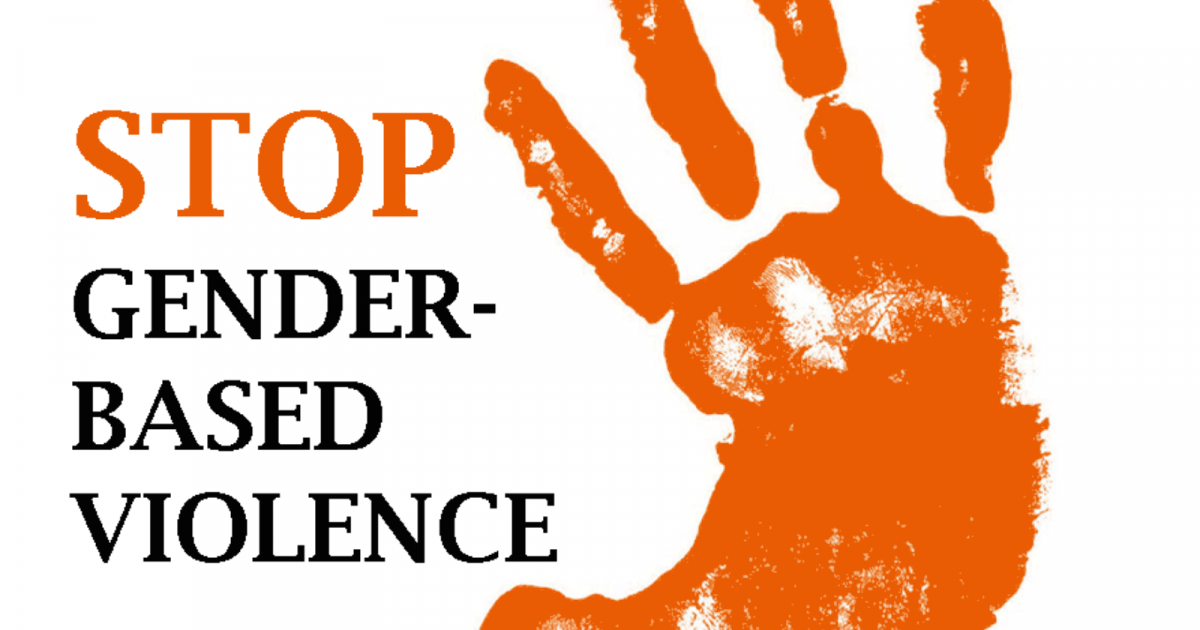
The Nigerian Girls’ Guide Association (NGGA) has initiated a 16-day Activism campaign to combat gender-based violence against girls and women. Chief Commissioner Rhoda Thomas emphasized the importance of extensive collaboration and resource dissemination to address this issue nationwide.
The NGGA aims to involve state and local government stakeholders in fostering widespread awareness and action against violence targeting girls and young women. The association’s approach focuses on leveraging its network to create a ripple effect of sensitization and awareness, engaging divisions, districts, communities, schools, churches, and mosques. The campaign aims to empower NGGA commissioners to propagate knowledge and initiatives at the state level.
The role we are playing is to enlighten the girl-child. We tell them to speak out against anything they don’t like, like touching them inappropriately and bullying, they should speak out against harassment,” she noted.
Commissioner for NGGA in Adamawa State, Mfonis Akpanamasi, emphasized the significance of advocacy, sensitization, and the role of legal support in combating gender-based violence. She stressed the need for psychological support to counsel victims and dispel self-guilt associated with experiences of violence.
Akpanamasi noted that as the NGGA continues its advocacy, it plans to engage influential figures in the government, such as the Deputy Governor of Adamawa State and the governor’s wife, who have shown interest in championing the rights of the girl-child. She added that the association values collaboration and support from all parties, irrespective of gender or affiliation, in driving impactful change.
The Assistant Youth Commissioner for NGGA, Ayomide Adebayo, underscored the importance of grassroots education and partnership with both government and private entities to provide legal support for victims of gender-based violence. She emphasised the role of information and confidence-building in empowering young women to address and prevent violence.
Adebayo also stressed the need for a multi-faceted approach to address the various dimensions of gender-based violence, with a focus on advocacy, sensitisation, legal support, and grassroots education, ultimately aiming for a comprehensive and impactful strategy to eradicate gender-based violence in Nigeria.