Abuja Reports
Abuja Buka: Out of Reach for the Masses


As a correspondent for Abuja City Journal, one can’t help but notice the shifting landscape of dining in Nigeria’s capital. For years, the humble buka has been a cherished haven for the average Nigerian—an informal eatery where one could savor hearty local dishes without breaking the bank. Now, however, many Abuja residents lament that these once-accessible spots are slipping beyond their reach.
A buka, a quintessential part of Nigerian culture, serves traditional meals like jollof rice, pounded yam, egusi soup, and various stews, often in a relaxed, casual environment. These eateries have long been the go-to spots for satisfying cravings affordably, especially in times of financial strain.

However, a stark transformation has unfolded in recent years. The bustling atmosphere of bukas was once dominated by locals, while the elite avoided such roadside establishments, preferring upscale restaurants serving international delicacies. Surprisingly, this narrative is changing.
In Abuja, it is now common to see owners of luxury vehicles pulling up to bukas, picking up breakfast for their families or themselves on the way to work or school. What has caused this unexpected turn of events?
The answer is simple yet disheartening: the cost of living in Nigeria has skyrocketed. Inflation has led to a dramatic increase in prices for essentials, and food ingredients have seen similar price hikes, affecting both high-end eateries and local bukas. While some may still dine comfortably in upscale restaurants, many average Nigerians find it increasingly difficult to justify spending ₦10,000 or more daily on meals.

Take, for example, the plight of workers commuting from various parts of the city. With transportation costs already straining their budgets, the idea of shelling out significant amounts on lunch can be daunting. As a result, many have once again turned to the reliable buka for affordable, home-style cooking.
But herein lies a new dilemma: bukas are no longer the bastions of affordability they once were. Rising ingredient costs have forced these establishments to increase their prices.
A recent visit revealed a familiar sight—an older gentleman, visibly frustrated, questioned the ₦1,500 price tag for his meal. “What did I eat that you are saying ₦1,500? Call your mother for me!” he exclaimed, evoking both laughter and empathy from onlookers. His complaint resonated deeply; after all, aren’t we all trying to live within our means?
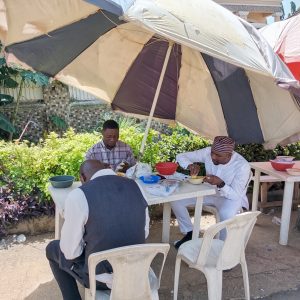
The community is now grappling with a profound concern: if the buka—once a reliable refuge for affordable dining—is becoming too expensive, where can they turn for a satisfying meal?
As Abuja residents reflect on this shift, one thing is clear: the once-beloved buka is at a crossroads, and the future of affordable dining in the capital hangs in the balance.










By Samson Adeyanju
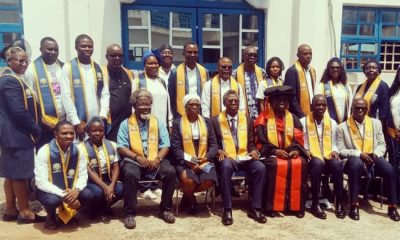
Atoyebi Adewumi has emerged winner of the fourth edition of the National Essay Competition, beating more than 2,000 contestants in an intellectual contest aimed at promoting academic excellence, critical thinking and creative writing among young Nigerians.
The competition, which focused on the relevance of taxation to national development, challenged participants to examine the role of tax revenue in financing public services, stimulating economic growth and strengthening the relationship between government and citizens.
The initiative provided a platform for young Nigerians to demonstrate their writing skills, articulate informed perspectives on national issues and contribute ideas towards building a more responsible and progressive society.
Speaking after being declared winner, an elated Adewumi expressed gratitude to the convener, Foluso Sylvanus Ojo, and the organising team for providing young Nigerians with an opportunity to showcase their intellectual abilities.
“I am so glad, very, very glad, to have this privilege of emerging as the winner. I am grateful to the convener and the entire team, as well as everyone who supported this vision,” Adewumi said.
In his remarks, Ojo expressed concern over the tendency to criticise the attitudes and lifestyles of younger generations without providing adequate opportunities to nurture their talents and channel their energies towards productive pursuits.
He called on the government, corporate organisations and nongovernmental organisations to invest more in educational initiatives that promote intellectual excellence, creativity and responsible citizenship.
According to him, sustained investment in academic competitions and youth development programmes would encourage discipline, innovation and a stronger commitment to national development.
Drawing a comparison with the substantial cash prizes awarded in some reality television competitions in Nigeria, Ojo argued that students and intellectually gifted young Nigerians deserved greater recognition, financial support and encouragement.
“I believe the government should support initiatives like this because individuals need supportive hands, especially from the government. When they receive such support, they become more confident and motivated to continue their good work,” he said.
Ojo maintained that society could not continue to complain about the attitudes and lifestyles of young people without deliberately investing in programmes that encourage positive values and productive engagement.
The fourth edition of the competition also underscored the importance of tax awareness among young Nigerians, highlighting how effective taxation, transparency and accountable governance could contribute to improved infrastructure, education, healthcare and other essential public services.
Beyond celebrating the winner, the competition reinforced the need to identify, encourage and empower emerging intellectual talents capable of contributing meaningfully to Nigeria’s development.

Winner of the 5,000,000 naira 
Winner of 3,000,000 naira 
Winner of 2,000,000
All the participants


By Samson Adeyanju
Twenty finalists from across Nigeria have begun the final stage of the fourth edition of the National Essay Competition in Abuja, following an orientation session designed to prepare them for the decisive examination.
The finalists arrived in the Federal Capital Territory for a four-day, all-expenses-paid programme featuring the essay examination, institutional tours and opportunities for learning and networking.
The competition, the brainchild of Mr Foluso Ojo, is sponsored by the Nigeria Revenue Service (NRS).
Ahead of the examination, the finalists participated in an orientation session led by Professor Omotosho Borisade of Ekiti State University, who serves as the competition’s umpire.
The session familiarised participants with the competition’s rules and regulations, examination guidelines and assessment criteria, helping them understand the requirements of the final stage.
The essay examination is scheduled to begin today at 9 a.m., after which the finalists are expected to embark on institutional tours around Abuja.
The programme is designed to extend beyond the contest itself, exposing the finalists to new learning opportunities, professional connections and experiences in the nation’s capital.
The competition brings together young Nigerians to demonstrate their writing ability, knowledge, creativity and critical-thinking skills as they compete for the top honours.
With the finalists prepared for the examination, attention now turns to their performance and the eventual emergence of the competition’s champion.







Atoyebi Adewumi Wins 4th National Essay Competition, Beats 2,000 Contestants

20 Finalists Begin Final Stage of National Essay Competition

Pastor Ogundipe Decries Lack of Integrity Among Educated Nigerians