News
‘We Wake up and No Go See Ordinary Food Chop’, Says Abuja Hookup Babe


Queen Paul, a well-known personality in Nigeria’s sex work industry, spoke candidly and emotionally with the Abuja City Journal podcast ABUJA REAL TALK about her difficult life experiences. Her candor revealed the challenges, trauma, and deep-seated pain she experienced while living on the streets of Lagos before to moving to Abuja.
“Omo, my experience no good gon!” she started, her voice heavy with emotion. “I used to have good days and bad days, but mostly, the customers are very annoying. Some of them don’t have understanding; they believe because they have money, they can do anything.”

Despite her brave front, she admitted that beneath the surface, she and many of her colleagues are suffering in silence. “E no clear, but person no know wetin person go do. Na im make person put body. Last last gon, some of us dey cry,” she confessed, describing how some days, they even struggle to find food to eat. “Sometimes, we dey wake up and no go see ordinary food chop sef. But person wey no tell you, you no go know. Sometimes we go act like everything is okay, but omo, last last na wash.”
Her path into the streets was a painful one, marked by abuse and neglect from the very people who were meant to care for her. “Wetin first carry me enter street? So many reasons. Number one, na male,” she shared. “People dey say mama na blessing, but me, mama no favour me at all. I prefer my papa, and he never tey wey I know that man, but he’s the best.”
Her mother, whom she described as cruel and unloving, played a significant role in her troubled upbringing. “My mama na woman wey I grow up with, but even when I dey grow up with her, I dey think say she be my auntie because of the kind things wey she dey do me. Na woman wey no like me at all. If she see me, na so she go dey boil. I go even kneel down beg her say, ‘Mommy, if I do you bad thing, forgive me.’ But na that time she go vex pass. I no know why.”
Her childhood was further clouded by the cruel gossip of neighbors who noticed her suffering. “Certain neighbors go dey talk say, ‘This woman go kill her again,’” she recalled, her voice shaking as she described the constant emotional and physical abuse she endured. “Omo, I get many marks for this body wey I fit show.”
Even as her mother moved on to have other children, the scars of her past remained fresh. “I be the only pikin wey dey with her for that time, but God come give her three more children. One boy and two girls – Dorathy and Jessica. My baby sister Dorathy, she be 18 years now, and you know how Lagos children dey be. Yahoo boys don dey buy them things anyhow.”
The interview offered a sobering look into the dangerous world many Nigerian sex workers live in. Beneath the facade of the vibrant nightlife and transactional exchanges lies deep-rooted pain and hardship. The woman’s story mirrors those of countless others who, despite societal stigma, continue to put their lives at risk every day, simply to survive.
When asked if she ever considered leaving the trade, her response was one of resignation. “E no easy to comot. Wetin I go do? Na survival mode I dey,” she admitted. “Na person wey never see suffering go talk say ‘just stop.’ But for we wey don dey inside, no be so e easy.”
Despite the hardship, her story speaks to resilience. “I don’t wish this life for anybody, but na the life wey I get, and I go manage am.” She remains a survivor, navigating a harsh reality with no safety nets. Her story serves as a reminder of the urgent need for societal reforms, mental health support, and targeted initiatives to help vulnerable women find alternative means of livelihood.
“If person tell you, you no go know. This life na wash. But omo, last last, we dey here,” Queen said in a tone of indignation.
Her remarks reflect the silent laments of many across Nigeria who are voiceless and forced to live risky lives for survival. As she finished her story, it became evident that every face on the streets hides a deeper, unseen story of struggle, survival, and hope for a brighter tomorrow.
ABUJA REAL TALK holds every week.










By Samson Adeyanju
Atoyebi Adewumi has emerged winner of the fourth edition of the National Essay Competition, beating more than 2,000 contestants in an intellectual contest aimed at promoting academic excellence, critical thinking and creative writing among young Nigerians.
The competition, which focused on the relevance of taxation to national development, challenged participants to examine the role of tax revenue in financing public services, stimulating economic growth and strengthening the relationship between government and citizens.
The initiative provided a platform for young Nigerians to demonstrate their writing skills, articulate informed perspectives on national issues and contribute ideas towards building a more responsible and progressive society.
Speaking after being declared winner, an elated Adewumi expressed gratitude to the convener, Foluso Sylvanus Ojo, and the organising team for providing young Nigerians with an opportunity to showcase their intellectual abilities.
“I am so glad, very, very glad, to have this privilege of emerging as the winner. I am grateful to the convener and the entire team, as well as everyone who supported this vision,” Adewumi said.
In his remarks, Ojo expressed concern over the tendency to criticise the attitudes and lifestyles of younger generations without providing adequate opportunities to nurture their talents and channel their energies towards productive pursuits.
He called on the government, corporate organisations and nongovernmental organisations to invest more in educational initiatives that promote intellectual excellence, creativity and responsible citizenship.
According to him, sustained investment in academic competitions and youth development programmes would encourage discipline, innovation and a stronger commitment to national development.
Drawing a comparison with the substantial cash prizes awarded in some reality television competitions in Nigeria, Ojo argued that students and intellectually gifted young Nigerians deserved greater recognition, financial support and encouragement.
“I believe the government should support initiatives like this because individuals need supportive hands, especially from the government. When they receive such support, they become more confident and motivated to continue their good work,” he said.
Ojo maintained that society could not continue to complain about the attitudes and lifestyles of young people without deliberately investing in programmes that encourage positive values and productive engagement.
The fourth edition of the competition also underscored the importance of tax awareness among young Nigerians, highlighting how effective taxation, transparency and accountable governance could contribute to improved infrastructure, education, healthcare and other essential public services.
Beyond celebrating the winner, the competition reinforced the need to identify, encourage and empower emerging intellectual talents capable of contributing meaningfully to Nigeria’s development.

Winner of the 5,000,000 naira 
Winner of 3,000,000 naira 
Winner of 2,000,000
All the participants


By Samson Adeyanju
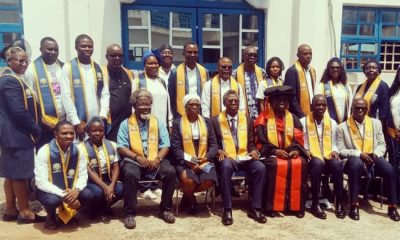
Twenty finalists from across Nigeria have begun the final stage of the fourth edition of the National Essay Competition in Abuja, following an orientation session designed to prepare them for the decisive examination.
The finalists arrived in the Federal Capital Territory for a four-day, all-expenses-paid programme featuring the essay examination, institutional tours and opportunities for learning and networking.
The competition, the brainchild of Mr Foluso Ojo, is sponsored by the Nigeria Revenue Service (NRS).
Ahead of the examination, the finalists participated in an orientation session led by Professor Omotosho Borisade of Ekiti State University, who serves as the competition’s umpire.
The session familiarised participants with the competition’s rules and regulations, examination guidelines and assessment criteria, helping them understand the requirements of the final stage.
The essay examination is scheduled to begin today at 9 a.m., after which the finalists are expected to embark on institutional tours around Abuja.
The programme is designed to extend beyond the contest itself, exposing the finalists to new learning opportunities, professional connections and experiences in the nation’s capital.
The competition brings together young Nigerians to demonstrate their writing ability, knowledge, creativity and critical-thinking skills as they compete for the top honours.
With the finalists prepared for the examination, attention now turns to their performance and the eventual emergence of the competition’s champion.




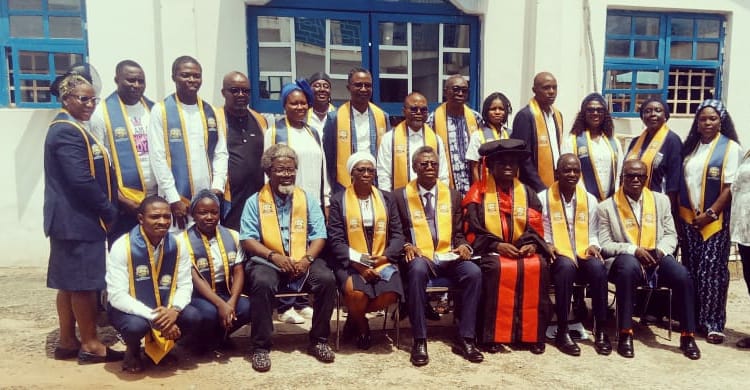


Atoyebi Adewumi Wins 4th National Essay Competition, Beats 2,000 Contestants

20 Finalists Begin Final Stage of National Essay Competition

Pastor Ogundipe Decries Lack of Integrity Among Educated Nigerians