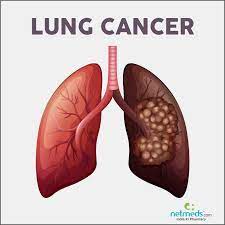
1. Lung Cancer Continues to Claim the Highest Toll Globally
Lung cancer remains the foremost cause of cancer-related deaths worldwide, asserting its grim toll on both men and women. According to GLOBOCAN 2020 estimates by the International Agency for Research on Cancer (IARC), lung cancer accounted for approximately 1.8 million deaths in 2020, constituting 18% of all cancer-related fatalities.
2. Unveiling the Culprit: Smoking and Other Risk Factors
The primary perpetrator behind lung cancer is smoking, which is implicated in roughly 85% of cases. However, the threat extends beyond smokers, encompassing non-smokers exposed to secondhand smoke, occupational hazards like asbestos and radon, as well as environmental pollutants. Hereditary predispositions and pre-existing chronic lung conditions also heighten susceptibility.
3. Harnessing Prevention to Combat Lung Cancer
Preventing lung cancer demands a multifaceted approach, blending primary and secondary prevention strategies. Primary prevention initiatives concentrate on curbing risk factors through smoking cessation programs, advocating smoke-free environments, enforcing tobacco control policies, mitigating workplace dangers, and ameliorating air quality. Secondary prevention revolves around early detection through screening protocols, particularly employing low-dose computed tomography (LDCT) for high-risk individuals.
4. Understanding Lung Cancer: Types, Progression, and Metastasis
Lung cancer originates from abnormal cell proliferation in the lungs, presenting a grave health menace that can metastasize to lymph nodes and other organs, including the brain. It encompasses two primary categories: small cell and non-small cell, each distinguished by distinct growth patterns and treatment modalities. Non-small cell lung cancer predominates, comprising adenocarcinoma and squamous cell carcinoma subtypes.
5. Recognizing the Red Flags: Symptoms of Lung Cancer
Manifestations of lung cancer encompass persistent cough, chest discomfort, breathlessness, hemoptysis (coughing up blood), fatigue, unexplained weight loss, and recurrent lung infections. These symptoms, often initially mild or overlooked as routine respiratory ailments, underscore the importance of timely diagnosis to avert delays in treatment.
6. Advancements in Treatment: Tailoring Approaches for Optimal Outcomes
Treatment paradigms for lung cancer hinge on the cancer subtype, stage of advancement, and individual medical history. Interventions encompass surgical excision, radiotherapy, chemotherapy, targeted therapy tailored to specific genetic mutations, and immunotherapy, which harnesses the immune system to combat cancer cells. Early detection emerges as a pivotal determinant, facilitating access to a broader array of treatment options and improving prognosis.