Connect with us

Uncategorized

Rising Cases of Stroke Amongst Young Adults

Published

on

Stroke have been associated with older adults, but with recent happenings it is evident that stroke amongst younger people is increasing and should not be neglected.
About 10 to 15 percent of strokes occur in children and adults under age 45, and that number is rising. There are two types of stroke: ischemic and hemorrhagic. The biggest increase is being seen in ischemic strokes that result from artery-blocking blood clots that travel to the brain.
Some common causes of stroke amongst young adults includes ;

1. Unhealthy lifestyle choices: Sedentary lifestyles, poor dietary habits, and lack of physical activity can contribute to conditions such as obesity, high blood pressure, and diabetes, which are risk factors for strokes.

2. High blood pressure: Hypertension is a significant risk factor for strokes. Young people with untreated or poorly managed high blood pressure may be at an increased risk.

3. Smoking and substance abuse: Tobacco and illicit drug use, particularly among young adults, can contribute to the development of strokes. Smoking, in particular, is a well-established risk factor for cardiovascular diseases.

4. Increased stress levels: High levels of chronic stress can contribute to the development of various health issues, including hypertension, which is a risk factor for strokes.

5. Poor diet: Diets high in saturated and trans fats, cholesterol, and sodium can contribute to the development of atherosclerosis, a condition where blood vessels become narrow and can lead to strokes.

6. Medical conditions: Certain medical conditions that were once considered rare in younger populations, such as autoimmune diseases and clotting disorders, may increase the risk of strokes.

7. Genetic factors: While less common, there may be genetic factors that predispose some individuals to stroke at a younger age.

8. Increased detection and awareness: Advances in medical technology and increased awareness about the signs and symptoms of stroke may lead to better detection and diagnosis in younger individuals.

9. Digital device overuse: Excessive use of digital devices and a sedentary lifestyle associated with prolonged screen time may contribute to health issues such as obesity and cardiovascular problems.

10. Underlying heart conditions: Certain heart conditions, such as atrial fibrillation, may increase the risk of stroke, and these conditions can be present in younger individuals.

It’s important to note that these factors often interact, and individuals may have multiple risk factors simultaneously.

Early detection, lifestyle modifications, and proper medical management are essential in addressing and reducing the risk of strokes in younger populations.

If someone is experiencing symptoms of a stroke, such as sudden numbness, confusion, difficulty speaking, or severe headache, it is crucial to seek immediate medical attention.

If a stroke is identified early and you get prompt medical intervention, you are more likely to have a good outcome.
If it’s recognized early, it can even be stopped, and there are multiple treatments that can be used in the first few hours to 24 hours after a stroke to prevent the most serious effects and complications.
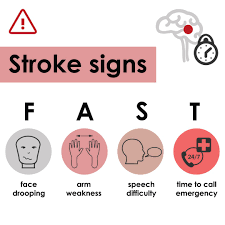
 

It is recommended that young adults learn the “B.E. F.A.S.T.” method for stroke identification:

Balance: Are you experiencing sudden loss of balance or dizziness?
Eyes: Do you have any loss of vision?
Face: Does your face or your smile look uneven, or is one side of your face drooping?
Arm: Is one arm or leg hanging down, or do you feel weak on one side?
Speech: Are you having trouble speaking, communicating, or understanding others? Is your speech slurred?
Time: to call emergency.


Continue Reading
Click to comment

Leave a Reply

Your email address will not be published. Required fields are marked *

Uncategorized

7 Everyday Habits That Can Help Protect You and Your Family

Published

on

By Queensly Felix

Food is part of our everyday lives, but how often do we think about the safety of what we eat?

From buying vegetables at the market to preparing meals in the kitchen, several everyday habits can affect the quality and safety of our food. Poor food handling, contaminated ingredients and improper storage can expose people to foodborne illnesses.

The issue has received renewed attention in Nigeria. On November 11, 2026, The Guardian reported that the Federal Government had unveiled an action plan to tackle food contamination and harmful food-processing practices. The announcement highlighted concerns about unsafe food preparation, preservation and adulteration.

While government regulation plays an important role, consumers also have a responsibility to practise safe food handling at home.


7 Habits That Can Help You Eat More Safely


1. Wash your hands before handling food

Always wash your hands with soap and clean running water before preparing meals, after using the toilet and after handling raw meat, fish or poultry. Clean hands reduce the chances of transferring harmful germs to food.

2. Wash fruits and vegetables properly

Rinse fruits and vegetables under clean running water before eating or cutting them. Pay attention to items you intend to eat raw. Do not use detergents, bleach or household cleaning products to wash food.

3. Keep raw and cooked food separate

Raw meat, fish and poultry can carry germs that spread to other foods. Use separate chopping boards and utensils where possible. Never place cooked food on a plate that previously held raw meat without washing it properly.

4. Cook food thoroughly

Make sure meat, fish, poultry and other foods receive enough heat during cooking. Do not assume that food is safe simply because the outside looks cooked. Cut into thick portions to check that the inside has cooked properly.

5. Store leftovers correctly

Do not leave cooked food sitting at room temperature for long periods. Refrigerate leftovers promptly and reheat them thoroughly before eating. If food has an unusual smell, appearance or texture, do not taste it to determine whether it is safe.

6. Pay attention to food packaging and sellers

Buy food from sellers who maintain clean surroundings and handle products properly. Check packaging for damage, expiry dates and storage instructions. Avoid products with broken seals or signs of poor storage.

7. Be careful with artificially treated food

Avoid fruits that appear suspiciously ripened or food products with unusual colours and smells. The government has specifically raised concerns about dangerous practices such as using chemicals to ripen fruits and treating beans with pesticides not approved for that purpose.

Do not attempt to remove suspected chemical contamination by washing or cooking. Avoid the product and report serious concerns to the appropriate food safety authorities.


Why Food Safety Matters

Food safety is not only the responsibility of government agencies, food manufacturers or restaurant owners. It begins with everyday decisions made by individuals and families.

A clean kitchen, properly stored leftovers and careful food purchasing can reduce avoidable risks. These habits also help families develop a healthier relationship with food.

As Nigeria strengthens efforts to address food contamination, consumers need reliable information and better awareness of what they buy and eat.

The next time you visit the market or prepare a meal, pay attention to how you handle your food. A few careful decisions can make a difference to your household’s wellbeing.

What food safety habit do you think many Nigerian households overlook? Share your thoughts in the comments.

Continue Reading

Uncategorized

Democracy Day: Foundation to engage youths through 21km marathon

Published

on


Apo Progressive Foundation (APF), a non-governmental organisation has concluded arrangements to host the second edition of its 21-kilometer “Peace and Unity” Marathon Race on June 12.

Mr Faleye Adebowale, Chairman of the foundation, disclosed this during a press briefing in Abuja on Tuesday.

The event, scheduled to coincide with the 2026 Democracy Day celebrations, is aimed at promoting grassroots sports, engaging talented youths, and supporting security agencies in the fight against insecurity.

Adebowale stated that the theme of this year’s edition, “Let’s Defeat Insecurity,” was deliberately chosen to encourage citizens to partner with security agencies through actionable intelligence and community solidarity.

”Sports is a powerful unifying factor that transcends religious, tribal, and regional differences. By bringing youths from diverse backgrounds together, we are creating an avenue for unity.

”Through this interaction, we can advocate for peace and encourage our people to support security agencies with necessary information to battle crime in our communities,” he said.

He said the event was open to both male and female runners nationwide, with participants expected from states such as Plateau, Kwara, Kaduna, Niger, and Lagos.

Adebowale explained that it replicated the cross-country attendance recorded during the maiden edition.

According to the chairman, the race will strictly feature adult runners from the age of 18.

He outlined the designated 21km route to include the take-off point at the Apo Community Stadium, through NEPA Junction to Games Village Roundabout, connecting Galadima Roundabout down to Kabusa Junction, and terminating at the Apo Community Stadium.

Adebowale, however, lamented the lack of corporate sponsorship for the event, revealing that the cash prizes and logistics were being funded through the collective personal resources of the foundation’s members.

”We do not have any sponsors for now. Everything you see, including the advertisements and the cash prizes for the athletes, is from individual contributions of our members.

”We are heavily open to sponsorship and partnership from well-meaning Nigerians and corporate bodies because this project benefits the entire Federal Capital Territory (FCT) and the nation,” he added.

Also speaking, the Secretary of the foundation, Mr Victor Chollom, stated that APF had officially written to various security agencies, to provide lectures and security tips for the participants.

These, he said, included the Nigeria Police Force, the Department of State Services (DSS), the Nigeria Security and Civil Defence Corps (NSCDC), and the Federal Road Safety Corps (FRSC),

Chollom linked the prevailing economic hardship in the country to rural insecurity, which he said had prevented farmers from accessing their farmlands.

”Part of the reason there is economic hardship is that insecurity in rural areas won’t allow parents to go to the farm, leading to food scarcity in the markets.

”We are using this platform to advocate for the government to hasten interventions like the forest guards so farmers can safely return to their farmlands.

“We are also catching these young ones early through sports and educational scholarships to ensure they grow with a mindset of peace,” Chollom said.

On his part, the Foundation’s Public Relations Officer, Mr Husain Yahaya, expressed worry over the high number of unengaged, talented youths roaming the streets.

He said that the marathon was designed to take them off the streets and expose them to global sports opportunities.

Yahaya said the foundation had embarked on aggressive roadshows, radio announcements, and school visitations to ensure grassroots athletes without regular platforms are given an opportunity to showcase their skills.

Cash prizes will be awarded to winners in both the male and female categories.

The first position winners will smile home with N350,000 each, while the second, third, fourth, and fifth-position runners will receive N250,000, N200,000, N150,000, and N100,000 respectively.(NAN)

Continue Reading

Uncategorized

NNPP Disowns Planned Protest Against INEC

Published

on

By Omoniyi David

The New Nigeria Peoples Party (NNPP) has disowned a planned protest against the Independent National Electoral Commission (INEC) scheduled for Tuesday, January 20, 2026, in Abuja and other parts of the country.

In a statement issued Monday from its National Secretariat in Abuja, the party said reports linking it to the proposed protest were false, describing the planned demonstration as illegal.

The statement, signed by the NNPP National Publicity Secretary, Ladipo Johnson, said the organisers of the protest were impostors and not members of the party.

The NNPP cited a Federal High Court judgment delivered on April 18, 2024, in Suit No. FHC/ABJ/CS/1354/2024, in which Justice Emeka Nwite upheld the expulsion of the individuals involved.

The party urged the public and security agencies to disregard any attempt to associate it with the protest, reaffirming its commitment to lawful and democratic engagement.

Continue Reading

Trending

taraftarium24Maslak EscortMaslak EscortGrandpashabet Girişgiftcardmall/mygiftcasibomjustin tvtrlisans pinterestgiftcardmall/mygiftdinamobetgrandpashabet girişgrandpashabetdinamobetGrandpashabettaraftarium24dizipalgiftcardmall/mygiftjustin tvGrandpashabetGrandpashabetGrandpashabetGrandpashabetCasibomkavbettaraftarium24taraftarium24rojadirectajustin tvesbetbetpuanamgbahismercurecasinobetplaycasinoroyalcasinolevantcasinolevantpalacebetteosbetgameofbetbetgitholiganbetcasibommarsbahisgrandpashabetJojobet GirişJojobetJojobetnatobetbetgitromabetgameofbetgrandpashabet girişgrandpashabetradissonbetpalacebetpalacebetcratosroyalbetgrandpashabetbetgarantitambetmarsbahismatbetimajbetpusulabet girişmarsbahisholiganbet girişholiganbetholiganbetcasinolevantmarsbahis girişcasibomcasinolevantgrandpashabetbetbeytambetesbetjojobetgrandpashabet