Uncategorized
Rising Cases of Stroke Amongst Young Adults

Stroke have been associated with older adults, but with recent happenings it is evident that stroke amongst younger people is increasing and should not be neglected.
About 10 to 15 percent of strokes occur in children and adults under age 45, and that number is rising. There are two types of stroke: ischemic and hemorrhagic. The biggest increase is being seen in ischemic strokes that result from artery-blocking blood clots that travel to the brain.
Some common causes of stroke amongst young adults includes ;
1. Unhealthy lifestyle choices: Sedentary lifestyles, poor dietary habits, and lack of physical activity can contribute to conditions such as obesity, high blood pressure, and diabetes, which are risk factors for strokes.
2. High blood pressure: Hypertension is a significant risk factor for strokes. Young people with untreated or poorly managed high blood pressure may be at an increased risk.
3. Smoking and substance abuse: Tobacco and illicit drug use, particularly among young adults, can contribute to the development of strokes. Smoking, in particular, is a well-established risk factor for cardiovascular diseases.
4. Increased stress levels: High levels of chronic stress can contribute to the development of various health issues, including hypertension, which is a risk factor for strokes.
5. Poor diet: Diets high in saturated and trans fats, cholesterol, and sodium can contribute to the development of atherosclerosis, a condition where blood vessels become narrow and can lead to strokes.
6. Medical conditions: Certain medical conditions that were once considered rare in younger populations, such as autoimmune diseases and clotting disorders, may increase the risk of strokes.
7. Genetic factors: While less common, there may be genetic factors that predispose some individuals to stroke at a younger age.
8. Increased detection and awareness: Advances in medical technology and increased awareness about the signs and symptoms of stroke may lead to better detection and diagnosis in younger individuals.
9. Digital device overuse: Excessive use of digital devices and a sedentary lifestyle associated with prolonged screen time may contribute to health issues such as obesity and cardiovascular problems.
10. Underlying heart conditions: Certain heart conditions, such as atrial fibrillation, may increase the risk of stroke, and these conditions can be present in younger individuals.
It’s important to note that these factors often interact, and individuals may have multiple risk factors simultaneously.
Early detection, lifestyle modifications, and proper medical management are essential in addressing and reducing the risk of strokes in younger populations.
If someone is experiencing symptoms of a stroke, such as sudden numbness, confusion, difficulty speaking, or severe headache, it is crucial to seek immediate medical attention.
If a stroke is identified early and you get prompt medical intervention, you are more likely to have a good outcome.
If it’s recognized early, it can even be stopped, and there are multiple treatments that can be used in the first few hours to 24 hours after a stroke to prevent the most serious effects and complications.
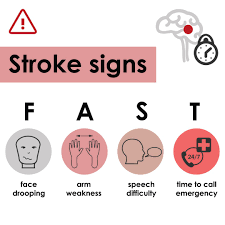

It is recommended that young adults learn the “B.E. F.A.S.T.” method for stroke identification:
Balance: Are you experiencing sudden loss of balance or dizziness?
Eyes: Do you have any loss of vision?
Face: Does your face or your smile look uneven, or is one side of your face drooping?
Arm: Is one arm or leg hanging down, or do you feel weak on one side?
Speech: Are you having trouble speaking, communicating, or understanding others? Is your speech slurred?
Time: to call emergency.