Connect with us

News

NAFADAC Unveils Adulterated Products, Enlighten Nigerians On How To Verify Original Products

Published

on

The National Agency for Food and Drug Administration and Control (NAFDAC) has unveiled a list of adulterated wines and drinks in circulation, even as it has enlightened Nigerians on steps to verify the original products.

This include the manufacturing of all kinds of adulterated products especially different kinds of wine from a wide variety of brands ranging from Seaman Schnapps, Henessy, Four Cousins, Carlo Rossi, Jenney, Chelsea London Dry Gin, Schnapp Dry Gin, McDowells, Black Labels, Gordons, Martell, Campari, Smirnoff Ice, Eva Non-Alcoholic Drink, Evra Non-Alcoholic Drink, Cartel, and others.
There is also date revalidation for expired products like Peak milk, Powdered milk, Ketchups, Yoghurt, Coca Cola products, packaging of fake and substandard products, which are later sold to unsuspecting members of the public for consumption.

Recall that the Agency recently intercepted counterfeiters involved in the production of a variety of beverages, including wines, soft drinks and consumables in Eziukwu Market (Cemetery Market) in Aba, Abia State.
Following an intelligence tip-off, the director-general of NAFDAC, Prof. Moji Adeyeye, in a press statement, disclosed that the Agency carried out several weeks of intelligence gathering and collation of data on the activities of these merchants of death.

In collaboration with other security agencies, NAFDAC carried out a sting operation in the market to burst the criminal operations taking place there. It is worthy of note that this dastard activity has been going on for a long time and they operate like a cartel threatening anyone who dares challenge them,” Adeyeye explained.

Because of the extensive operation, the agency raided over 240 shops-turned factories where the harmful products were being produced and marketed.

The DG added that the shops-turned factories were very filthy, using water from very unhygienic sources, harmful chemicals, saccharin, colouring, dirty recycled bottles, and cloned packaging materials of other brands.
The adulteration of alcoholic beverages by criminal elements in the country is done by mixing of cheaper sources of sugar and starch besides grapes or fruit, among other harmful chemicals unsuitable for human consumption.

Over 1,500 cartons of the fake and substandard products were destroyed during the operation while 300 cartons were evacuated to NAFDAC warehouse. The street value of the confiscated and destroyed fake products is estimated at over N750,000,000. Ten people were arrested on arrival at the scene of the crime and will be charged to court after thorough investigation,” she said.

Due to the sheer magnitude of illegality going on in the section of the market, Adeyeye averred that NAFDAC had to shut the entire market down for thorough regulatory activity until an agreement was reached with all stakeholders in the market and undertaking signed that the market will never be used for such nefarious activities anymore.

She warned that drinking adulterated alcohol can cause nausea and vomiting, abdominal pain, drowsiness, and dizziness, blue tinged or pale skin, irregular or slow breathing, low body temperature, unconsciousness or passing out, kidney and liver failure or even death.

Methanol, a substance which can be used in fake vodka, may cause permanent blindness. World Health Organisation (WHO) in their Global Status Report on Alcohol and Health estimated that more than three million people died all over the world as a result of alcohol poisoning.
Furthermore, International Agency for Research on Cancer (IARC) ascertained that one of every 10 cancer cases in Nigeria can be traced to Alcohol and 4.7 percent of overall cancer cases in Nigeria in 2019 can be attributed to consumption of adulterated alcohol,” she disclosed.

While urging Nigerians to remain vigilant, the DG has tasked consumers to always scrutinize branded drinks to distinguish them from counterfeits before consuming them.

NAFDAC wishes to advice that the members of the public should shine their eyes during this yuletide season. We are using this medium to appeal to Nigerians to buy only NAFDAC registered drinks from reputable and licenced retailers, bars and supermarkets.
If the product is being sold well below its normal price, or doesn’t seem to include normal taxes on liquors, then it is probably fake. Check for poor quality packaging, spelling mistakes and unusually shaped bottles. Look for the contact information and address of the manufacturer. If it is missing, the alcohol is fake.

Inspect the seal on the bottle. If the seal is broken or damaged, then the contents might have been interfered with and are not safe to drink. Check for fake bar codes. If you have an app on your mobile that scans bar codes, scan it and see if it’s listed as the correct product and beware of bad smells! If it smells like paint stripper or nail polish remover, then it probably is!”

She assured that NAFDAC will continue to ensure that the level of counterfeit products nationwide is brought to the nearest minimum so that Nigerians will continue to consume only healthy and safe products.
We wish to reiterate that in line with our mandate to rid the county of fake and substandard products, we shall be on the trail of these evil counterfeiters, and bring them to book. The public is enjoined to report any suspicious activity of illegal producers of adulterated products or similar activities to the nearest NAFDAC office nationwide,” Adeyeye appealed.

Continue Reading
Click to comment

Leave a Reply

Your email address will not be published. Required fields are marked *

Abuja Reports

Atoyebi Adewumi Wins 4th National Essay Competition, Beats 2,000 Contestants

Published

on

By

By Samson Adeyanju

Atoyebi Adewumi has emerged winner of the fourth edition of the National Essay Competition, beating more than 2,000 contestants in an intellectual contest aimed at promoting academic excellence, critical thinking and creative writing among young Nigerians.

The competition, which focused on the relevance of taxation to national development, challenged participants to examine the role of tax revenue in financing public services, stimulating economic growth and strengthening the relationship between government and citizens.

The initiative provided a platform for young Nigerians to demonstrate their writing skills, articulate informed perspectives on national issues and contribute ideas towards building a more responsible and progressive society.

Speaking after being declared winner, an elated Adewumi expressed gratitude to the convener, Foluso Sylvanus Ojo, and the organising team for providing young Nigerians with an opportunity to showcase their intellectual abilities.

“I am so glad, very, very glad, to have this privilege of emerging as the winner. I am grateful to the convener and the entire team, as well as everyone who supported this vision,” Adewumi said.

In his remarks, Ojo expressed concern over the tendency to criticise the attitudes and lifestyles of younger generations without providing adequate opportunities to nurture their talents and channel their energies towards productive pursuits.

He called on the government, corporate organisations and nongovernmental organisations to invest more in educational initiatives that promote intellectual excellence, creativity and responsible citizenship.

According to him, sustained investment in academic competitions and youth development programmes would encourage discipline, innovation and a stronger commitment to national development.

Drawing a comparison with the substantial cash prizes awarded in some reality television competitions in Nigeria, Ojo argued that students and intellectually gifted young Nigerians deserved greater recognition, financial support and encouragement.

“I believe the government should support initiatives like this because individuals need supportive hands, especially from the government. When they receive such support, they become more confident and motivated to continue their good work,” he said.

Ojo maintained that society could not continue to complain about the attitudes and lifestyles of young people without deliberately investing in programmes that encourage positive values and productive engagement.

The fourth edition of the competition also underscored the importance of tax awareness among young Nigerians, highlighting how effective taxation, transparency and accountable governance could contribute to improved infrastructure, education, healthcare and other essential public services.

Beyond celebrating the winner, the competition reinforced the need to identify, encourage and empower emerging intellectual talents capable of contributing meaningfully to Nigeria’s development.

Winner of the 5,000,000 naira

Winner of 3,000,000 naira

Winner of 2,000,000
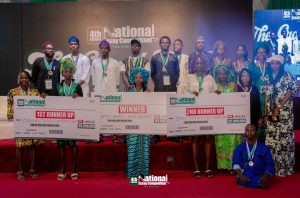
All the participants 

Continue Reading

Abuja Reports

20 Finalists Begin Final Stage of National Essay Competition

Published

on

By

By Samson Adeyanju

Twenty finalists from across Nigeria have begun the final stage of the fourth edition of the National Essay Competition in Abuja, following an orientation session designed to prepare them for the decisive examination.

The finalists arrived in the Federal Capital Territory for a four-day, all-expenses-paid programme featuring the essay examination, institutional tours and opportunities for learning and networking.

The competition, the brainchild of Mr Foluso Ojo, is sponsored by the Nigeria Revenue Service (NRS).

Ahead of the examination, the finalists participated in an orientation session led by Professor Omotosho Borisade of Ekiti State University, who serves as the competition’s umpire.

The session familiarised participants with the competition’s rules and regulations, examination guidelines and assessment criteria, helping them understand the requirements of the final stage.

The essay examination is scheduled to begin today at 9 a.m., after which the finalists are expected to embark on institutional tours around Abuja.

The programme is designed to extend beyond the contest itself, exposing the finalists to new learning opportunities, professional connections and experiences in the nation’s capital.

The competition brings together young Nigerians to demonstrate their writing ability, knowledge, creativity and critical-thinking skills as they compete for the top honours.

With the finalists prepared for the examination, attention now turns to their performance and the eventual emergence of the competition’s champion.


Continue Reading

News

Pastor Ogundipe Decries Lack of Integrity Among Educated Nigerians

Published

on

By

By Samson Adeyanju

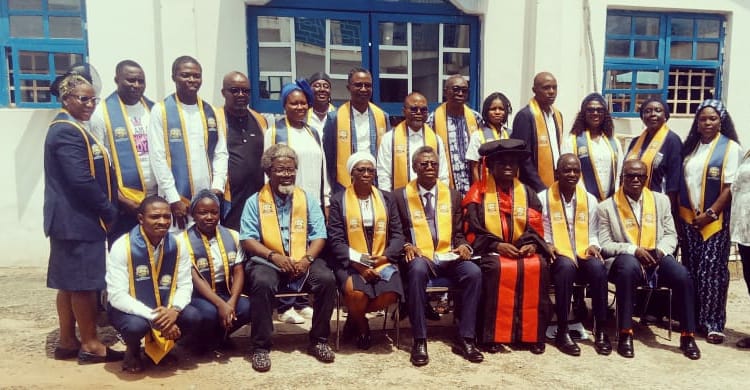
Pastor Alex Ogundipe, Chairman of the Governing Board of Christian Heritage International Bible College, Kubwa, Abuja, has expressed concern over the growing number of educated Nigerians who lack the character and integrity required to make meaningful contributions to society.

Ogundipe raised the concern during the matriculation ceremony of the institution’s 60 pioneer students, stressing that academic qualifications without moral discipline and upright character could undermine national development.

According to him, Nigeria has many knowledgeable and academically accomplished individuals whose inability to demonstrate integrity has negatively affected their contributions to their families, workplaces and communities.

“We have too many people in this country who are knowledgeable and wise in their own ways, but they do not have character and integrity. That affects their ability to impact their communities,” he said.

The cleric emphasised that education must go beyond the acquisition of certificates to the development of individuals who demonstrate honesty, accountability, faithfulness and commitment to serving humanity.

He explained that true integrity required consistency in personal conduct, whether at home, in the church, at work or within the larger society.

Ogundipe said the college was established not merely to impart biblical knowledge but to raise men and women whose lifestyles reflect Christian values and whose contributions would positively influence society.

He urged Christian leaders to demonstrate their faith through practical actions rather than mere religious declarations.

Speaking on Nigeria’s future, the cleric encouraged citizens to remain hopeful, pray for the country and contribute meaningfully to national peace, unity and development.

Earlier, the Rector of the institution, Pastor Samson Olukayode Aliyu, challenged the matriculating students to prioritise spiritual maturity and moral discipline alongside academic excellence.

Aliyu warned against examination malpractice, plagiarism, dishonesty and other forms of misconduct, stressing that academic certificates could demonstrate knowledge but could not substitute for good character.

“The Church does not only need gifted people; it needs godly people. We need leaders who will choose integrity over compromise, humility over pride, faithfulness over convenience and service over self-interest,” he declared.

He explained that the college offers six-month certificate programmes in theology and one-year diploma programmes in theology, leadership and prophetic studies.

One of the matriculating students, Akeem Omobolanle, who enrolled in the Diploma in Leadership programme, commended the institution’s approach to biblical education and expressed optimism that the training would strengthen his understanding of the Scriptures and prepare him for greater service in Christian ministry.

The ceremony marked the formal admission of the college’s pioneer students into its academic community.

Continue Reading

Trending