By Onilede Titi Faith
The Nigerian government has inaugurated a Community of Practice focused on expanding inclusive green jobs as part of its commitment to environmental sustainability and economic inclusion.
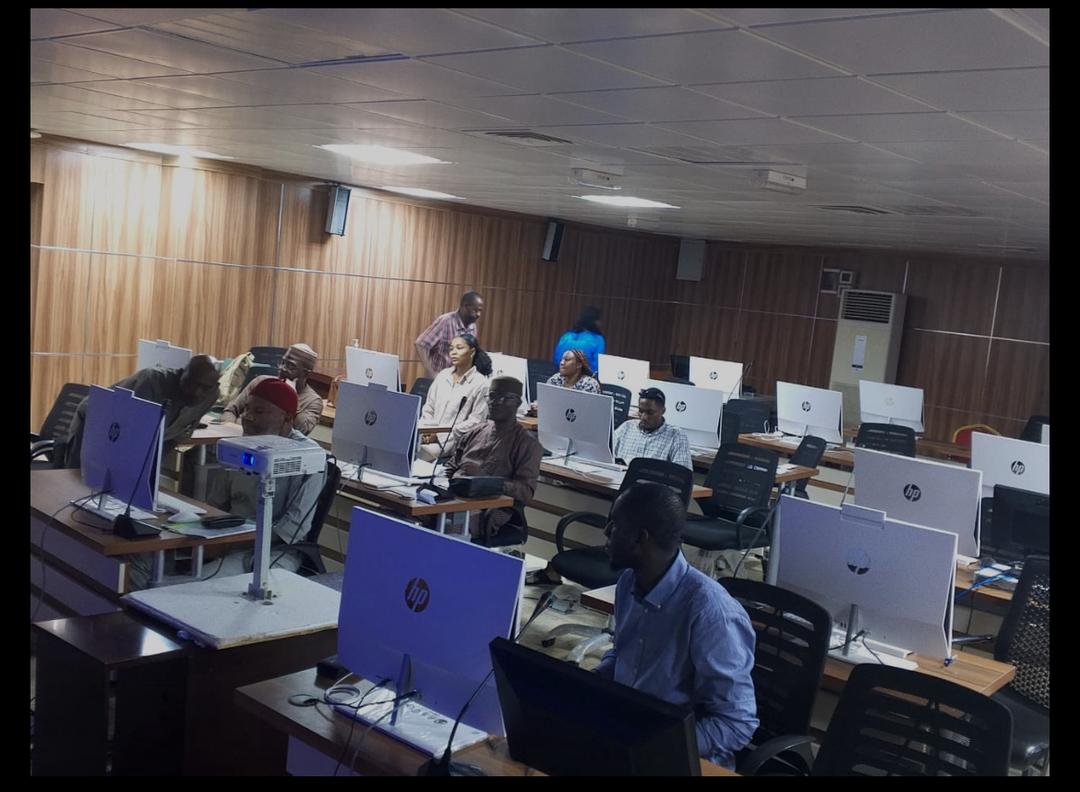
Spearheaded by the House Committee on Renewable Energy with support from the International Labour Organization and other partners, the initiative was unveiled in Abuja on June 19, 2025.
The platform is designed to promote collaboration, research, policy dialogue, and skill development in renewable energy, sustainable agriculture, climate-smart transportation, and eco-friendly waste management.
It aims to tackle rising youth unemployment while supporting Nigeria’s energy transition and climate targets.
Speaking at the launch, Committee Chairman Hon. Afam Ogene said the initiative will institutionalize job opportunities that are environmentally sound, socially inclusive, and economically viable.
He stressed the importance of involving youth and women in Nigeria’s journey toward a greener future.
Representatives from the ILO, civil society, academia, and the private sector emphasized the need to embed climate-conscious skills in education and workforce development while ensuring that underserved communities are not left behind.
The ILO pledged continued technical assistance, knowledge sharing, and global best practices to support the platform’s goals.
Several pilot programs were announced, including training in solar installation, eco-construction, digital skills, and waste-to-resource entrepreneurship.
These programs will begin in selected states from the third quarter of 2025, with a national rollout projected by late 2026.
The Community of Practice will serve as a national coordination hub, bringing together stakeholders from public institutions, industries, financial organizations, youth groups, and community-based organizations to support Nigeria’s sustainable development and economic diversification efforts.
Officials believe this platform could become a model for other African countries facing similar challenges related to climate change and youth unemployment.
The launch signals a strategic shift in Nigeria’s development agenda, with green jobs now at the center of its policy planning.