By Samson Adeyanju
In a country often torn between bitter truths and necessary survival, the idea of calling a spade a spade has become both revolutionary and risky. Yet, when someone murmured in hushed tones, “Let the thief in office continue, at least he is building roads,” the comment, although cynical, captured a widespread sentiment pulsing through the veins of the nation.
This is not an endorsement of corruption. Rather, it is an unfiltered reflection of a society so battered by decades of mediocrity, incompetence and failed leadership that it begins to tolerate, even prefer, a ‘competent thief’ to an ‘honest failure.’ At the core of this bizarre logic lies a desperate longing for visible progress—any progress.
From Anger to Acceptance: The Nigerian Shift
For many Nigerians, frustration has slowly fermented into reluctant pragmatism. The expectations of moral purity in leadership have eroded under the weight of unfulfilled promises, stolen mandates and recycled incompetence. Now, the question has morphed from “Is he clean?” to “Can he deliver?”
In the marketplace of public opinion, integrity is still priced high, but delivery has become the new currency. Nigerians are seeing flyovers, trains, reconstructed expressways and revitalized airports—things that once seemed impossible. So, in quiet corners, around suya joints, in buses and beer parlors, the question resonates: If he is stealing, but we can see the work, should he really be stopped?
The Ethical Dilemma
This shifting moral bar presents a deep national paradox. Can development justify corruption? Should performance shield a thief from prosecution? These questions are not easily answered. Yet in Nigeria, where honest leaders often leave no trace beyond slogans and unmet targets, the people’s patience has evolved into a complex transaction—results in exchange for silence.
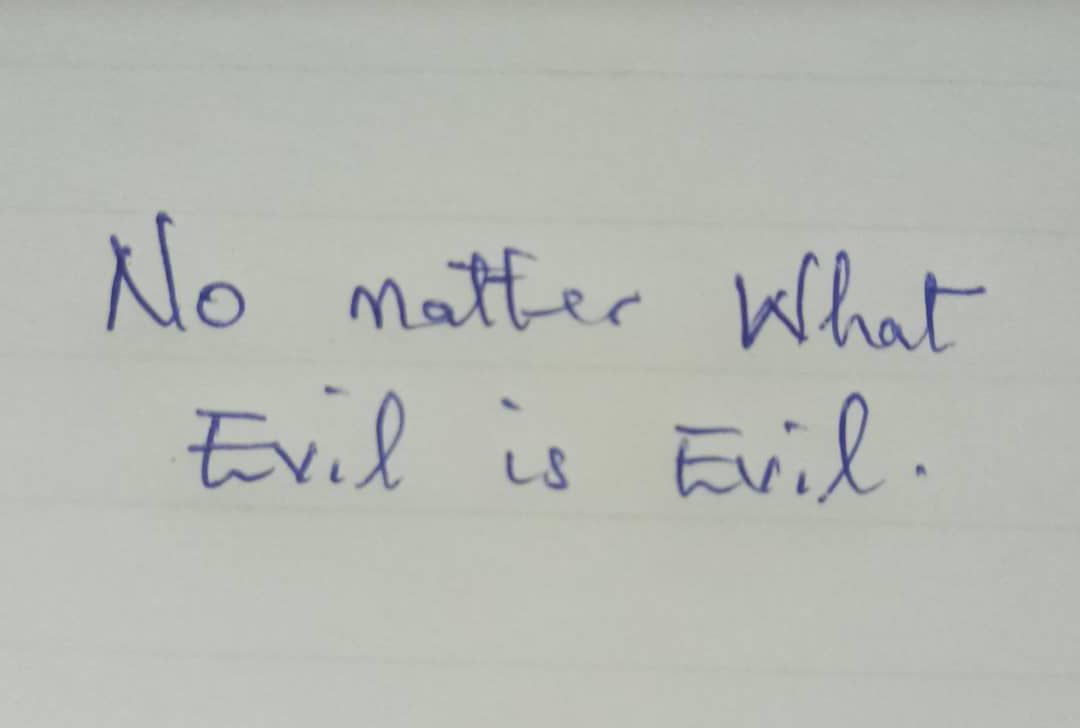
But this line of thinking is dangerous. It risks legitimizing theft and making room for a culture where public office is both a seat of power and a licence to loot—so long as there’s some glitter to distract the masses. A functioning nation cannot afford to blur the line between governance and gangsterism, no matter how tempting.
‘Office’ and the ‘Football’ Analogy
Imagine a star striker on a football team. He is arrogant, possibly a cheat, but he scores goals. The team is winning. Fans know he’s problematic, but they chant his name because he brings trophies. This is Nigeria’s current political situation. The player is flawed, but he is performing. The fans—Nigerians—are torn between benching him for his off-field behavior or letting him play because he’s the only one netting goals.
Should a performing player be retired mid-game when there is no one better to replace him? Or should the system be restructured to accommodate both integrity and performance?
Rebuilding Nigeria: At What Moral Cost?
If rebuilding Nigeria requires the hands of a ‘thief,’ does that mean we have failed to raise clean hands capable of building? This painful introspection is necessary. Institutions, not individuals, should drive progress. But Nigeria, heavily reliant on strongmen rather than strong systems, often finds herself at the mercy of flawed saviors.
Conclusion: A Wake-Up Call, Not a Justification
“Allow the thief in ‘office’ to rebuild Nigeria” is not a patriotic cry. It is a cry of exhaustion, of compromise born out of survival instincts. It is a tragic reflection of how far the moral compass has tilted. Yet, it is also a call to action—for better leadership recruitment, for systems that punish corruption, and for citizens to stop settling for the lesser evil.
If Nigeria must rise, it must not choose between character and competence. It must demand both. Until then, we may keep watching the ‘star thief’ play—scoring goals, stealing the show, and stealing much more.