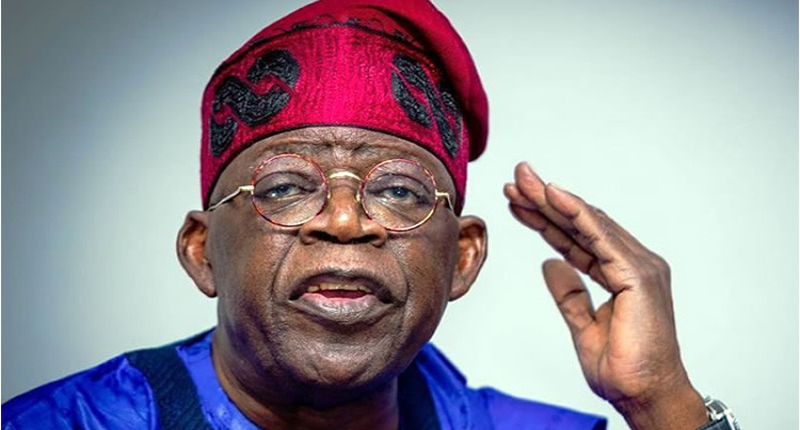
President Bola Ahmed Tinubu has given his assent to the electricity bill seeking to repeal the Electricity and Power Sector Reform Act, 2005, which was passed in July 2022.
The bill is now called the Electricity Act and consolidates all legislations dealing with the electricity supply industry to provide an ideal institutional framework to guide the post-privatization phase of the Nigerian Electricity Supply Industry and encourage private sector investments in the sector.
The primary aim of the bill is to create a comprehensive legal and institutional framework to guide the Nigerian Electricity Supply Industry, NESI.
It de-monopolises the generation, transmission, and distribution of electricity at the national level and allows states, companies and individuals to generate, transmit and distribute electricity.
States can now issue licenses to private investors who have the ability to operate mini-grids and power plants within the state. However, state licenses cannot extend to inter-state or transnational distribution of electricity.
The Electricity Act clarifies the position of the constitution that recognises joint regulatory powers leading to the constitutional amendment assented to in March by former President Muhammadu Buhari.
It mandates how NERC is to transition regulatory responsibilities from itself to state regulators when they are established so that by then, NERC will continue to regulate electricity business exclusively carried out in those states.
Lawmakers under the bill are granted the power to carry out oversight responsibilities and function over the National Electricity supply industry through their respective Committees on Power in the Senate and House of Representatives.
Under the Nigeria Electricity Bill, electricity generation licensees are obligated to meet renewable generation obligations as may be prescribed by NERC.
As such, electricity generating companies will be mandated to either generate power from renewable energy sources, purchase power generated from renewable energy or procure any instrument representing renewable energy generation.
The Electricity Act mandates the imposition of renewable purchase obligations on distribution or supply licensees and allows anyone to construct, own or operate an undertaking for generating electricity not exceeding 1 megawatt (MW) in aggregate at a site or an undertaking for distribution of electricity with a capacity not exceeding 100 kilowatts (Kw) in aggregate at a site, without a license.
The new law restates the position and clarifies the authority and powers of the states and federal. It means that Nigeria will not have one single market regulated from Abuja but could have at least three independent regulators.
NERC will still carry out cross-border regulations – generation and transmission across states will still be regulated by NERC.
Fundamentally, the aim of the bill is to create a market for renewable energy and thereby stimulate investments in the sector.