Connect with us

Business

Naira Among Least Performing Currencies – World Bank

Published

on

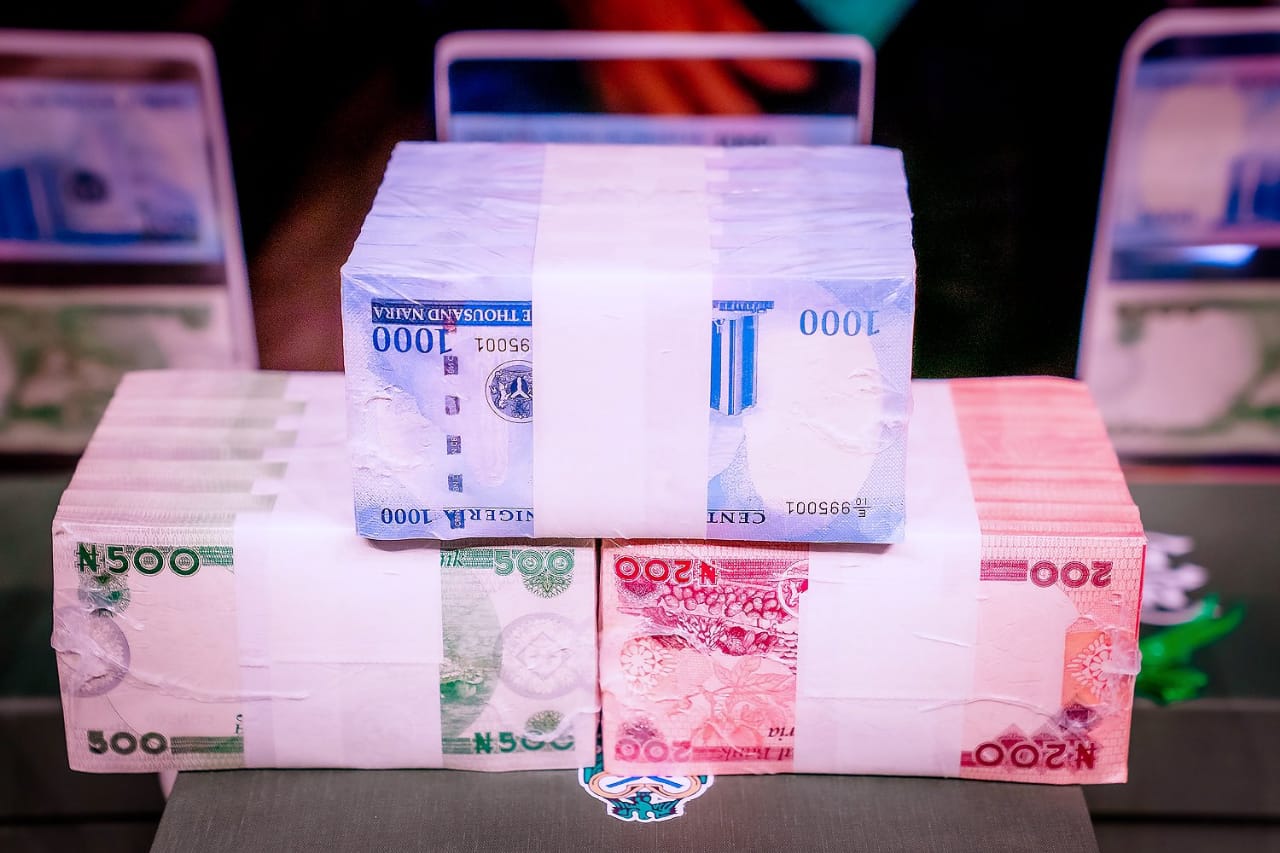
One of the worst-performing currencies in Sub-Saharan Africa for 2024 is the naira.

This is in line with the most recent edition of the World Bank’s Africa’s Pulse report.

Along with the South Sudanese pound and Ethiopian birr, the naira was one of the poorest currencies in the region as of the end of August 2024, having lost almost 43% of its value year-to-date.

Delays in Nigeria’s central bank’s foreign exchange disbursements, limited dollar inflows, and the parallel market’s soaring demand for US dollars are some of the reasons behind the naira’s decline.

According to the World Bank report, demand for dollars from financial institutions, non-financial end users, and money managers has aggravated the naira’s problems.

It noted, “By August 2024, the Ethiopian birr, Nigerian naira, and South Sudanese pound were among the worst performers in the region. The Nigerian naira continued losing value, with a year-to-date depreciation of about 43 per cent as of end-August.

“Surges in demand for US dollars in the parallel market, driven by financial institutions, money managers, and non-financial end-users, combined with limited dollar inflows and slow foreign exchange disbursements to currency exchange bureaus by the central bank explain the weakening of the naira.”

This condition has lasted despite some foreign exchange market reforms implemented by the Nigerian government, such as the deregulation of the official exchange rate, which began in June 2023.

However, these attempts have so far proven insufficient to stabilize the currency.

The naira’s depreciation reflects broader economic issues in Nigeria, such as inadequate foreign currency reserves and persistent inflationary pressures.

The research also observes that the naira’s depreciation has contributed to higher domestic pricing, notably for imported items, complicating matters for Nigerian consumers.

In contrast, other African currencies that encountered issues in 2023, such as the Kenyan shilling and South African rand, are showing signs of recovery this year.

The Kenyan shilling, for example, will have risen by 21% year to date by the end of August 2024, placing it among the region’s top achievers.

Despite this, many African economies continue to face major foreign exchange shortages and exchange rate pressures.

The naira rose 5.69 percent against the dollar on Monday, according to data from the FMDQ Exchange.

The currency rate rose from N1,641.27/$1 on Friday, October 11, to N1,552.92/$1 on Monday, October 14.

Despite the naira’s recovery, foreign exchange turnover fell by 44.27 percent, from $616.73 million to $343.71 million during the same time.

The World Bank’s analysis provides a cautious view for Nigeria’s economic growth, projecting a 3.3% expansion in 2024 and a little acceleration to 3.6% in 2025-2026.

The report read: “Economic growth in Nigeria is projected at 3.3 per cent in 2024 and 3.6 per cent in 2025–26 as macroeconomic and fiscal reforms gradually start yielding results. Inflation peaked in June 2024 (at 34.2 per cent year-on-year) and decelerated to 33.4 per cent in July and further to 32.2 per cent in August.”

It further stated that after the Nigerian government decided to eliminate fuel subsidies in mid-2023, gasoline prices skyrocketed, producing a rippling effect on inflation throughout the country. According to the research, this policy move, which caused gasoline prices to treble initially, will grow by another 40-45 percent in September 2024, raising transportation and logistics expenses for both businesses and consumers.

In July 2024, inflation reached 34.2%, and while it showed indications of moderating in August, the latest spike in gasoline prices is projected to reverse this trend, perhaps pushing inflation higher in the coming months.

Continue Reading
Click to comment

Leave a Reply

Your email address will not be published. Required fields are marked *

Abuja Reports

Milestone Global Bank Gets CBN Nod, Targets Abuja Launch

Published

on

By Ifunanya Stephanie


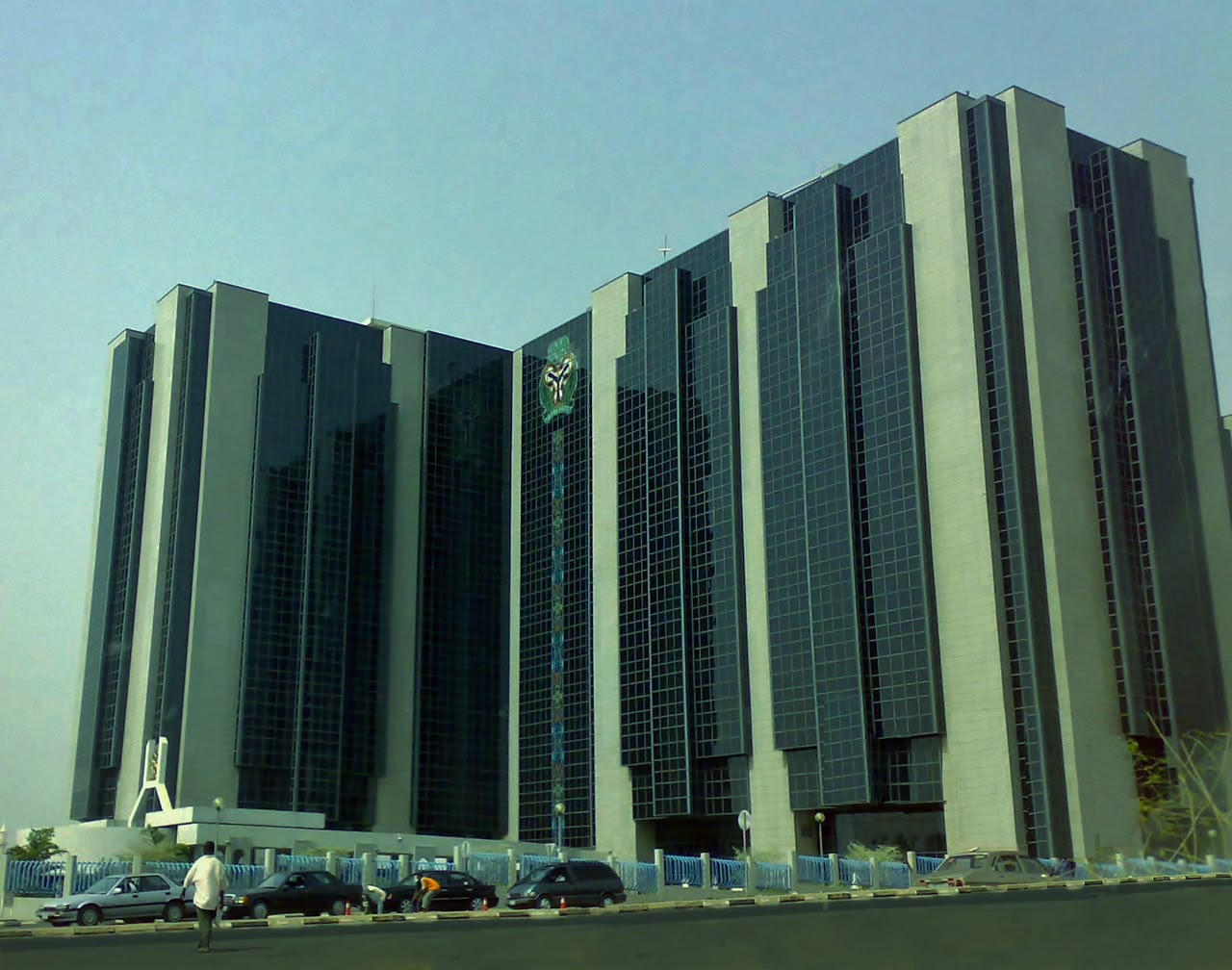
Milestone Global Bank Limited has received final approval from the Central Bank of Nigeria (CBN) to operate as a regional non-interest bank, with plans to establish its first physical branches in Abuja, Kano and Kaduna.

The approval clears a major regulatory hurdle for the institution as it prepares to enter Nigeria’s banking sector, although it has yet to announce a commencement date or provide addresses for its proposed branches.

The bank disclosed the development in a statement, saying it had satisfied the CBN’s requirements on capital, corporate governance and compliance with non-interest banking regulations.

Its Managing Director and Chief Executive Officer, AbdulFattah Olanrewaju Amoo, described the approval as a significant milestone, saying the institution was now working to complete the remaining operational requirements ahead of its launch.

He said the bank intended to serve individual customers, businesses, corporate organisations and government agencies through a combination of digital banking services and physical branches.

According to the bank, its initial expansion plan covers Abuja, Kano and Kaduna, with the intention of extending its presence to other parts of the country.

Amoo said the institution would deploy technology, data and automation to improve service delivery, efficiency and accessibility.

The CBN’s recapitalisation framework requires regional non-interest banks to maintain a minimum paid-up capital of ₦10 billion, compared with ₦20 billion for national non-interest banks.

Non-interest banking operates without conventional interest-based lending and instead uses structures such as asset-backed financing, leasing, trade-based transactions and profit-sharing arrangements.

Milestone Global Bank’s entry is expected to add another operator to Nigeria’s non-interest banking segment, which already includes Jaiz Bank, TAJBank and Lotus Bank.

However, the bank has not released details of its proposed products, account-opening procedures, eligibility requirements or pricing.

Its planned Abuja presence could expand the financing options available to businesses and individuals in the capital, but the impact will depend on the products introduced and the terms under which they are offered.

The bank is expected to announce further details as it concludes preparations to commence operations.

Continue Reading

Business

Nigerian Banks Expand Lending as Loan Demand Surges

Published

on

By Ifunanya Stephanie

Nigerian banks increased credit supply to households and businesses in the third quarter of 2026, following stronger demand for secured, unsecured and corporate loans, according to the Central Bank of Nigeria (CBN).

The development was accompanied by improved loan approval rates and declining default rates across major lending categories, although borrowing costs remained relatively high in some segments.

The findings are contained in the CBN’s Q3 2026 Credit Conditions Survey, which assessed lending trends, loan demand, approval rates and repayment performance across the banking sector.

In the secured lending segment, the loan demand index stood at 25.6, with consumer lending to households recording the strongest demand at 42.9, followed by credit for house purchases at 28.0. Mortgage and remortgage lending recorded 12.0, while lending to small businesses by households declined to -19.7.

Demand for unsecured credit also strengthened, with an overall index of 7.2. Overdrafts and personal loans to households recorded 24.7, while credit card lending contracted to -20.0.

Corporate lending recorded a demand index of 18.9, reflecting increased borrowing interest among small businesses, medium-sized private non-financial corporations and large companies, which posted indices of 22.6, 18.3 and 20.7, respectively. However, demand from other financial corporations weakened, recording -16.2.

According to the survey, banks attributed the increased demand for corporate credit largely to inventory financing, balance sheet restructuring and capital investments, which recorded indices of 18.6, 2.5 and 0.7, respectively.

The CBN also identified changing economic outlook, liquidity positions and market share objectives as major factors influencing banks’ decisions to expand secured lending. For unsecured credit, market share objectives, economic outlook and the cost and availability of funds were among the key considerations.

Meanwhile, the proportion of loan applications approved increased across secured, unsecured and corporate lending categories compared with the preceding quarter.

Despite the improved access to credit, borrowing costs remained a concern, as the spread between lending rates and the Monetary Policy Rate widened across several lending categories.

The spread for secured lending widened to -14.5 index points, while corporate lending spreads stood at -13.6 index points for medium-sized private non-financial corporations, -12.2 for other financial corporations, -11.0 for small businesses and -10.3 for large private non-financial corporations.


The latest findings suggest an improvement in credit availability across Nigeria’s banking sector, although the widening interest rate spreads indicate that stronger loan supply and approval rates have yet to translate into proportionately cheaper borrowing for businesses and households.

Continue Reading

Business

CBN Restores BDC Access to FX Market, Caps Weekly Purchases at $150,000

Published

on

By Huldah Shado

The Central Bank of Nigeria (CBN), has approved the participation of licensed Bureau De Change (BDC), operators in the Nigerian Foreign Exchange Market (NFEM), allowing each BDC to purchase up to $150,000 weekly.

The approval was contained in a circular dated February 10, 2026, signed by the Director of the Trade and Exchange Department, Dr. Musa Nakorji, and addressed to authorised dealer banks and the general public.

The CBN said the move is aimed at improving foreign exchange liquidity in the retail segment of the market and meeting the legitimate needs of end users, amid a widening gap between the official and parallel market exchange rates.

Under the new arrangement, licensed BDCs can access foreign exchange from the NFEM through any authorised dealer bank of their choice at the prevailing exchange rate.

The apex bank directed banks to carry out full Know-Your-Customer (KYC), and due diligence checks on BDC clients before selling foreign exchange to them.

It also imposed reporting and transparency requirements, mandating BDCs to submit returns electronically to the CBN.

In addition, the bank prohibited third-party transactions and limited cash settlement to a maximum of 25 per cent of each transaction.

Continue Reading

Trending

taraftarium24seo ajansıseo ajansıiptvtrlisans pinterestgiftcardmall/mygiftdinamobetgrandpashabet girişgrandpashabetdinamobetGrandpashabettaraftarium24dizipalgiftcardmall/mygiftjustin tvGrandpashabetGrandpashabetGrandpashabetDeneme BonusuCasibomiptvkavbettaraftarium24taraftarium24rojadirectajustin tvbetsalvador xteosbetbahiscasino x1win xbetgitjojobetjojobet xjojobet xsonbahis xgrandpashabetgrandpashabetgrandpashabet güncel girişgrandpashabet girişmarsbahis girişholiganbet girişholiganbet güncel girişcasibom girişgrandpashabetgrandpashabetholiganbetholiganbetholiganbetholiganbetjojobetjojobetgrandpashabetsonbahis xsonbahis xgrandpashabetbetbey xesbet xcashwin xmatbetpusulabetsahabetmatbet girişpusulabet girişsahabet girişmatbetholiganbetmarsbahismarsbahis girişibizabet xjojobetjojobet xgrandpashabetbetpuan xnesinecasino xwbahis xbetgaranti xgrandpashabetjojobetjojobet