Connect with us

News

Former President Buhari Admits Withholding School Certificate During 2015 Elections

Published

on

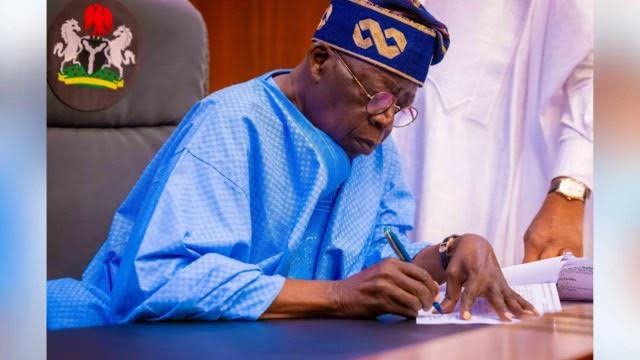
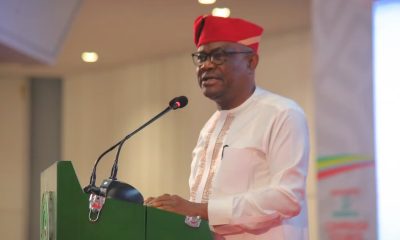
Former President Muhammadu Buhari revealed that he intentionally refrained from releasing his West African Senior School Certificate in the run-up to the 2015 general elections, stating that critics “venting spleen” on the matter could please themselves.

The revelation comes from the new book, “Working with Buhari: Reflections of a Special Adviser, Media and Publicity (2015-2023),” authored by his former spokesman, Femi Adesina. Buhari shared that he found copies of the certificate in his drawer and explained the significance of the military examination during his training, highlighting the subjects examined and the practical skills acquired.

“My colleagues and I who spent close to nine years in boarding school both in primary and secondary, including Gen. Musa Yar’adua, when we intended to join the military we had to take a military examination.

“We were examined in three subjects, English, Mathematics and General Knowledge because English is the language for general instruction throughout the country because of our colonial heritage.

“Mathematics in the military was necessary, coupled with Geography. We were trained how to be dropped off in the bush, given only a pair of compass and since we’re not astronomers, you’ve to learn to find your way, calculate, using the Pythagoras Theorem and others to work out your position.”

Continue Reading
Click to comment

Leave a Reply

Your email address will not be published. Required fields are marked *

Abuja Reports

Milestone Global Bank Gets CBN Nod, Targets Abuja Launch

Published

on

By Ifunanya Stephanie


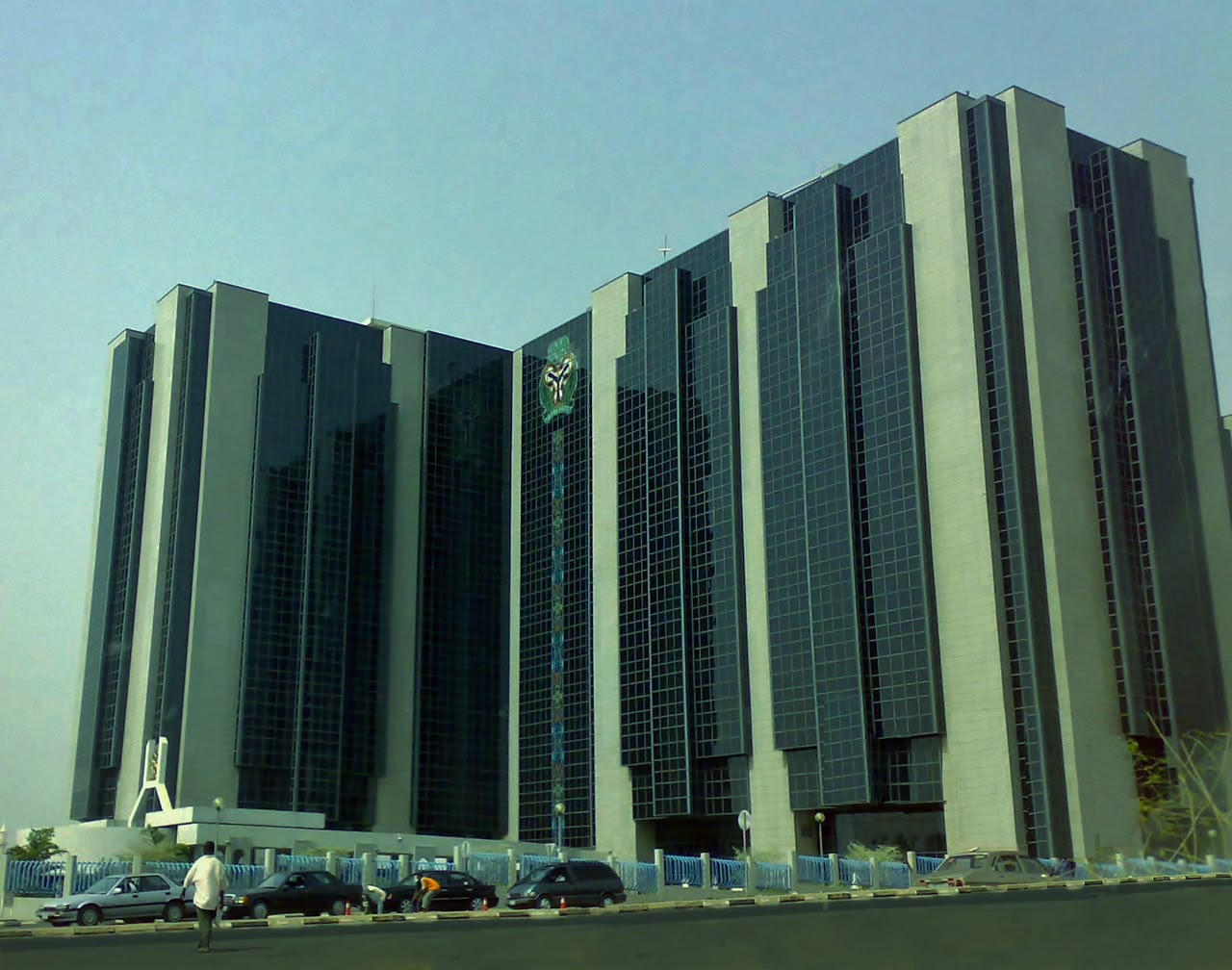
Milestone Global Bank Limited has received final approval from the Central Bank of Nigeria (CBN) to operate as a regional non-interest bank, with plans to establish its first physical branches in Abuja, Kano and Kaduna.

The approval clears a major regulatory hurdle for the institution as it prepares to enter Nigeria’s banking sector, although it has yet to announce a commencement date or provide addresses for its proposed branches.

The bank disclosed the development in a statement, saying it had satisfied the CBN’s requirements on capital, corporate governance and compliance with non-interest banking regulations.

Its Managing Director and Chief Executive Officer, AbdulFattah Olanrewaju Amoo, described the approval as a significant milestone, saying the institution was now working to complete the remaining operational requirements ahead of its launch.

He said the bank intended to serve individual customers, businesses, corporate organisations and government agencies through a combination of digital banking services and physical branches.

According to the bank, its initial expansion plan covers Abuja, Kano and Kaduna, with the intention of extending its presence to other parts of the country.

Amoo said the institution would deploy technology, data and automation to improve service delivery, efficiency and accessibility.

The CBN’s recapitalisation framework requires regional non-interest banks to maintain a minimum paid-up capital of ₦10 billion, compared with ₦20 billion for national non-interest banks.

Non-interest banking operates without conventional interest-based lending and instead uses structures such as asset-backed financing, leasing, trade-based transactions and profit-sharing arrangements.

Milestone Global Bank’s entry is expected to add another operator to Nigeria’s non-interest banking segment, which already includes Jaiz Bank, TAJBank and Lotus Bank.

However, the bank has not released details of its proposed products, account-opening procedures, eligibility requirements or pricing.

Its planned Abuja presence could expand the financing options available to businesses and individuals in the capital, but the impact will depend on the products introduced and the terms under which they are offered.

The bank is expected to announce further details as it concludes preparations to commence operations.

Continue Reading

Economy

Tinubu Woos World’s Largest Busmaker to Nigeria, Targets 40% Cut in Transport Fares

Published

on

President Bola Tinubu has welcomed plans by Chinese automotive manufacturer Yutong to establish a Compressed Natural Gas (CNG) bus assembly plant in Nigeria as part of efforts to reduce transportation costs and expand affordable mass transit across the country.

The proposed investment follows an invitation by the President to the company, described as the world’s largest bus manufacturer, to support the expansion of affordable transportation in Nigeria.

Under an agreement with the Presidential Initiative on Compressed Natural Gas and Electric Vehicles (Pi-CNG & EV), Yutong is expected to supply an initial 300 CNG-powered buses, with the first 100 scheduled to arrive in Lagos by the end of December 2026.

The remaining buses will be assembled locally through YP Automobiles Bus Assembly at the former Leyland Automotive plant in Ibadan, Oyo State.

According to a statement issued on Thursday by the President’s Special Adviser on Information and Strategy, Bayo Onanuga, the investment is expected to revive local industrial capacity, reduce dependence on imported vehicles and create employment opportunities for Nigerian engineers, technicians and other workers.

The initiative is part of the National Affordable CNG Transit Programme (NACTP), which is targeting a reduction of approximately 40 per cent in transport fares on participating routes in collaboration with state governments.

The programme aligns with the transportation component of the Tinubu administration’s Renewed Hope Agenda 2.0 for 2027–2031.

Onanuga said the President maintained that the primary objective of the investment was to reduce the daily transportation expenses of Nigerians, particularly workers, traders and families who depend on commercial vehicles.

Tinubu stressed that the lower operating costs of CNG-powered vehicles should translate into reduced fares for passengers, enabling households to save more of their income for essential needs.

The statement added that the expansion of CNG transportation would be supported by investments in refuelling infrastructure through Pi-CNG & EV, the Midstream and Downstream Gas Infrastructure Fund (MDGIF) and private sector operators.

These efforts include the deployment of Mobile Refuelling Units and a presidential directive for the provision of 2,000 additional CNG refuelling infrastructure units nationwide.

Yutong, which reportedly sold 49,518 buses globally in 2025, has experience in mass transit manufacturing and local assembly operations across several international markets.

The President also welcomed the company’s decision to establish local assembly capacity, describing it as an opportunity to promote technology transfer, develop skilled manpower and strengthen Nigeria’s automotive industry.

He reiterated that the success of the CNG programme would ultimately be measured by the savings it delivers to Nigerians through reduced transportation costs.

The agreement between Yutong and the Pi-CNG & EV initiative is scheduled to be signed in Lagos on Thursday, November 19, 2026.

Continue Reading

Abuja Reports

Long Queues, Big Savings: Why Abuja Drivers Won’t Abandon CNG

Published

on

By Patrick Idowu


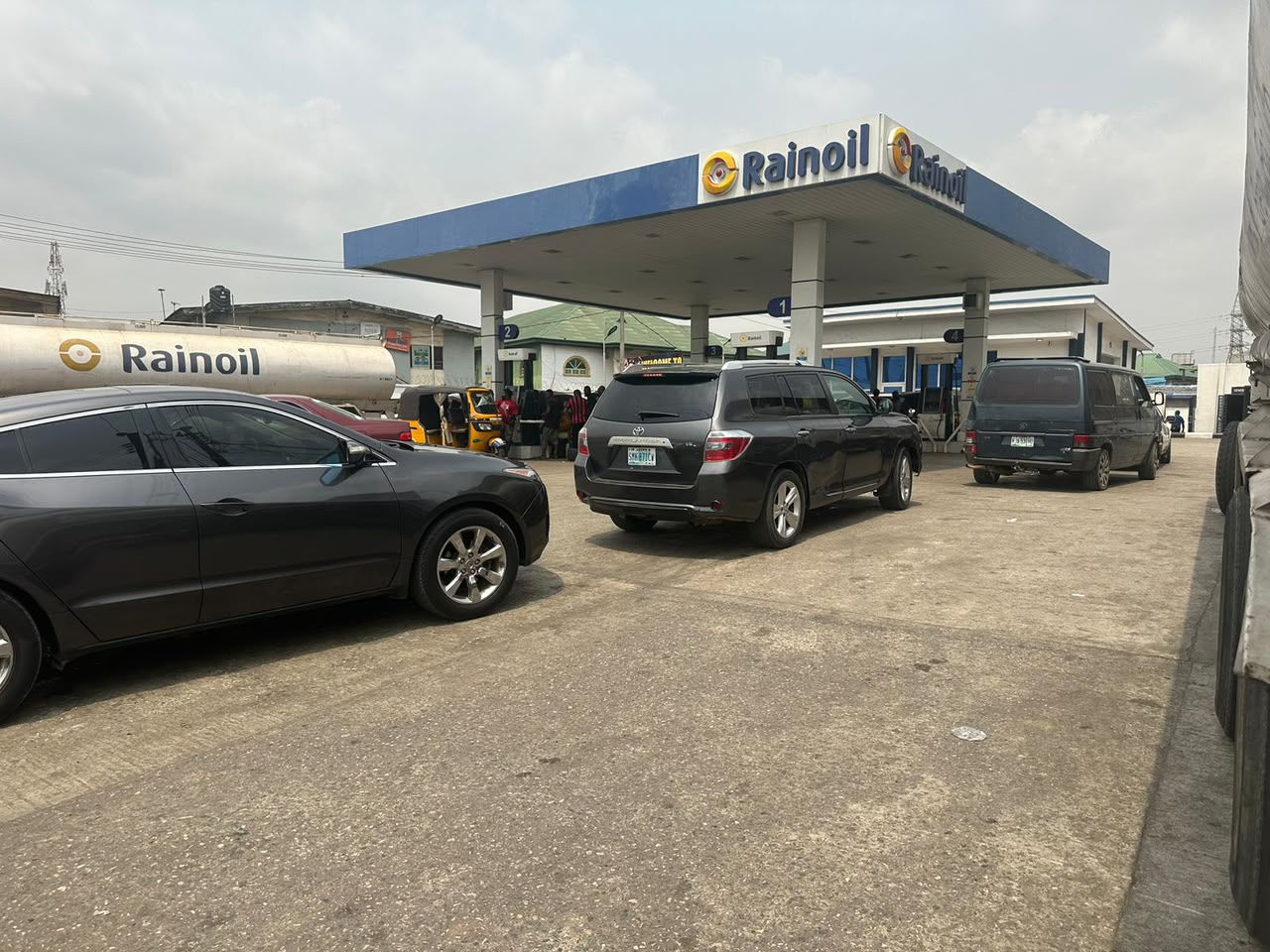
Some commercial drivers operating between Niger State and the Federal Capital Territory (FCT) have said they prefer Compressed Natural Gas (CNG) to petrol despite spending hours in queues to refuel.

The drivers, who spoke with an Abuja City Journal correspondent on Thursday in Wuse, said the significant savings on fuel costs outweighed the inconvenience of long waiting times.

One of them, Mr Musa Bello, said CNG reduced his fuel expenses by between 50 and 60 per cent per kilometre.

“Despite the long queues and hours spent waiting to get the product, I still prefer CNG to petrol because of the massive cost savings,” he said.

CNG adoption has grown in Nigeria since the removal of the petrol subsidy in May 2023, with the Federal Government promoting its use through the Presidential Initiative on Compressed Natural Gas and Electric Vehicles (Pi-CNG & EV).

Another driver, Mr Adamu, said CNG burns more cleanly than petrol and helps reduce vehicle maintenance costs.

“People are still complaining about the long queues before getting CNG, but I still prefer using it to going back to Premium Motor Spirit (PMS),” he said.

On why commuters were yet to benefit from lower transport fares, another driver, Suleiman Abubakar, blamed the high cost of converting vehicles to run on CNG.

He said many operators were still trying to recover their conversion expenses.

“The changes in transportation costs will reflect soon. Some of us only want to recover the money we spent on the conversion,” he said.

Meanwhile, a technician, Mr Sunday Christopher, said CNG was less likely to ignite than petrol under certain conditions because of its narrower flammability range.

He explained that CNG requires a concentration of between five and 15 per cent in air to ignite, adding that proper maintenance and compliance with safety standards were essential to preventing accidents.

“Petrol has a much wider flammability range, making it easier to ignite,” he said.

Continue Reading

Trending

taraftarium24seo ajansıseo ajansıGrandpashabet Girişgiftcardmall/mygiftcasibomjustin tvtrlisans pinterestgiftcardmall/mygiftdinamobetgrandpashabet girişgrandpashabetdinamobetGrandpashabettaraftarium24dizipalgiftcardmall/mygiftjustin tvGrandpashabetGrandpashabetGrandpashabetGrandpashabetCasibomkavbettaraftarium24taraftarium24rojadirectajustin tvesbetbetpuanamgbahismercurecasinobetplaycasinoroyalcasinolevantcasinolevantpalacebetteosbetgameofbetbetgitholiganbetcasibommarsbahisgrandpashabetJojobet GirişJojobetJojobetnatobetbetgitromabetgameofbetgrandpashabet girişgrandpashabetradissonbetpalacebetpalacebetcratosroyalbetgrandpashabetbetgarantitambetmarsbahismatbetimajbetpusulabet girişmarsbahisholiganbet girişholiganbetholiganbetcasinolevantmarsbahis girişcasibomcasinolevantgrandpashabetbetbeytambetesbetjojobetgrandpashabet